Last updated October 31, 2026
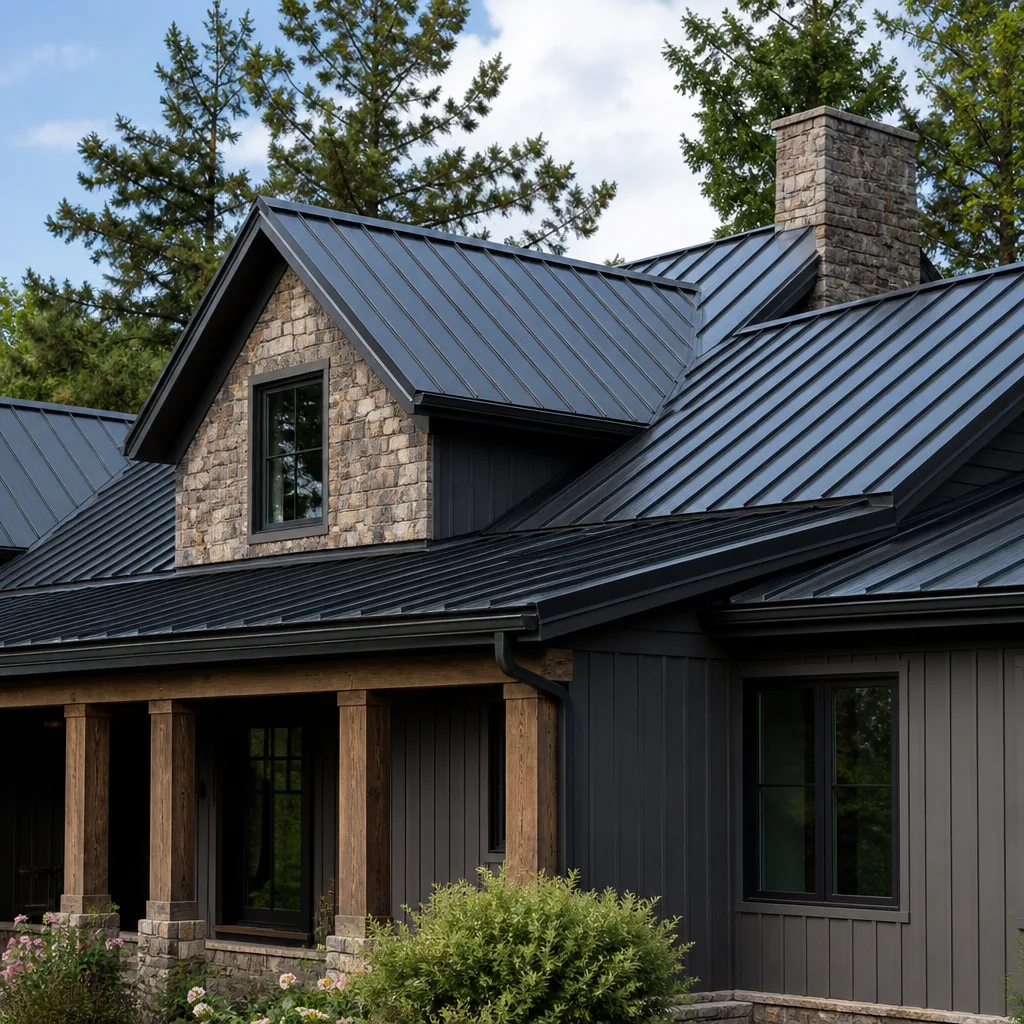 Metal roofing
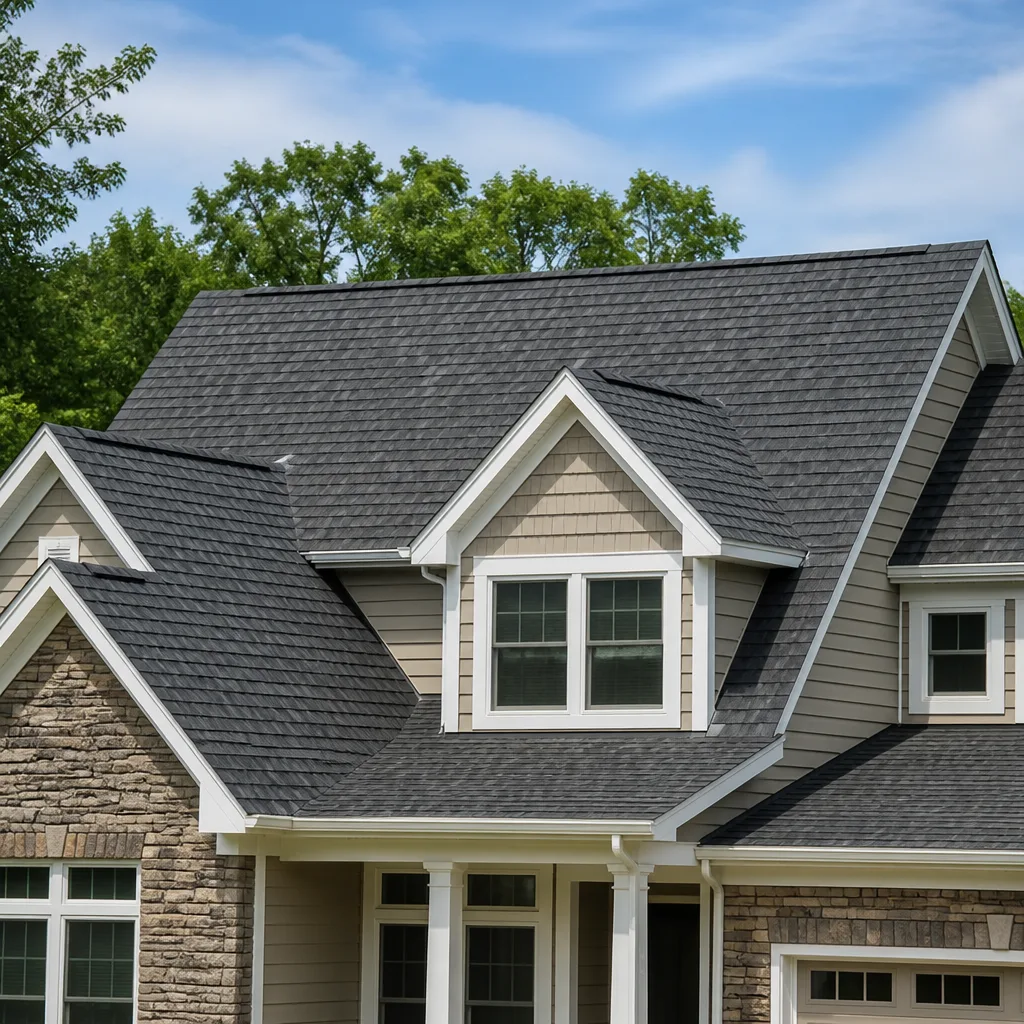 Architectural shingles
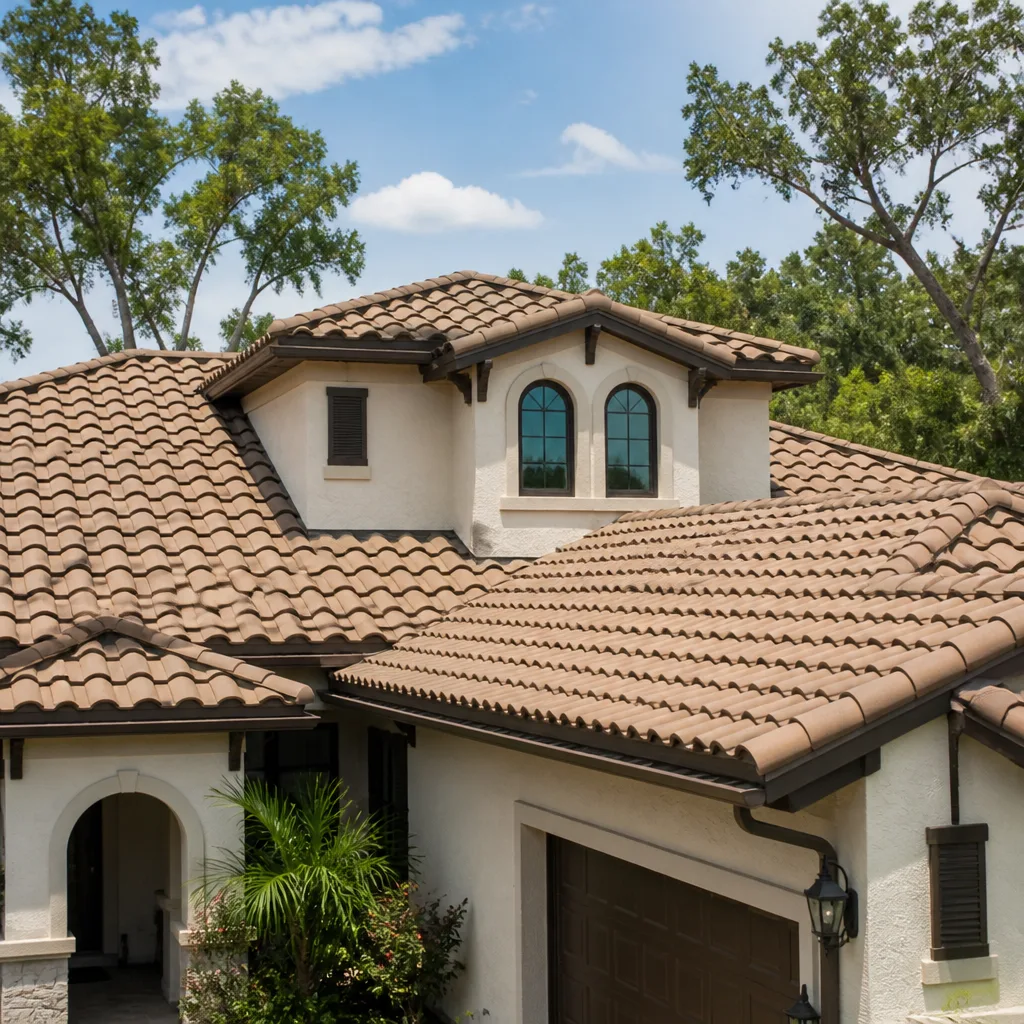 Tile roofing
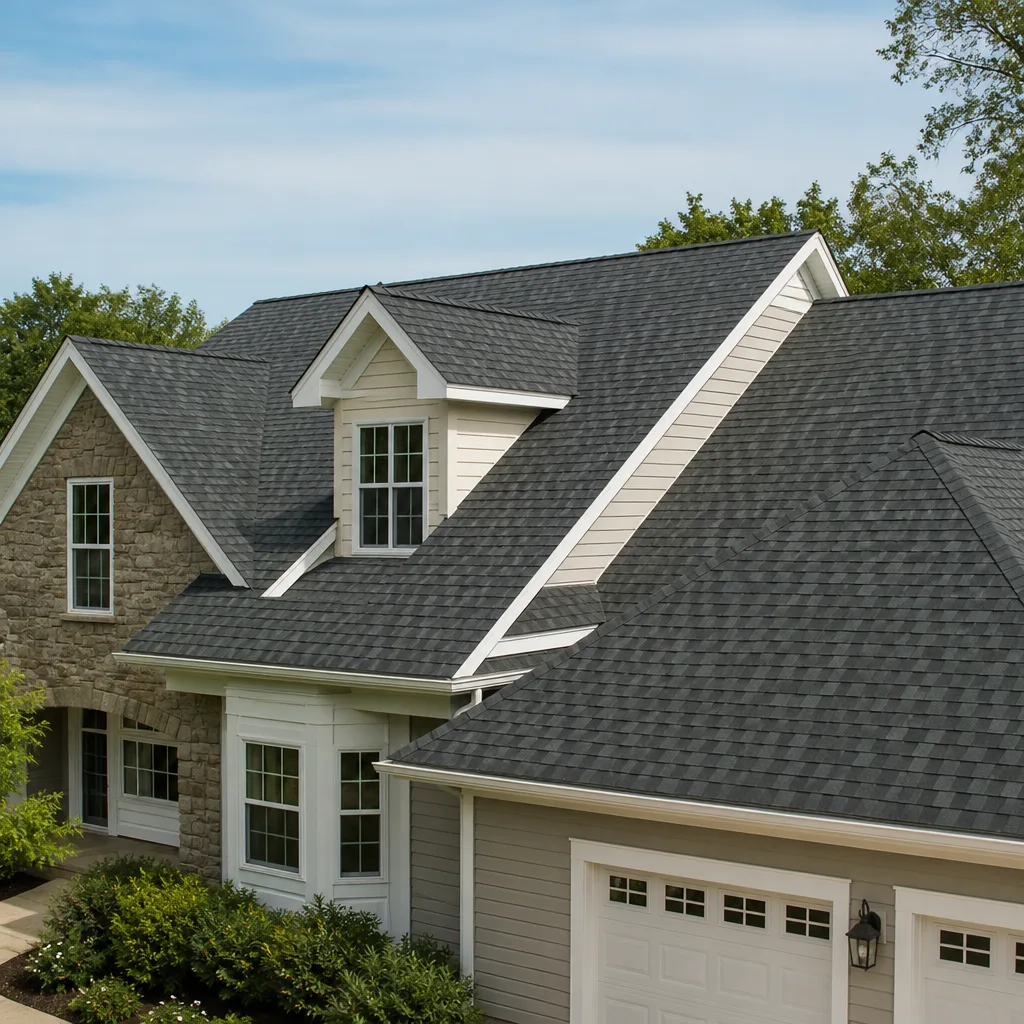 GAF
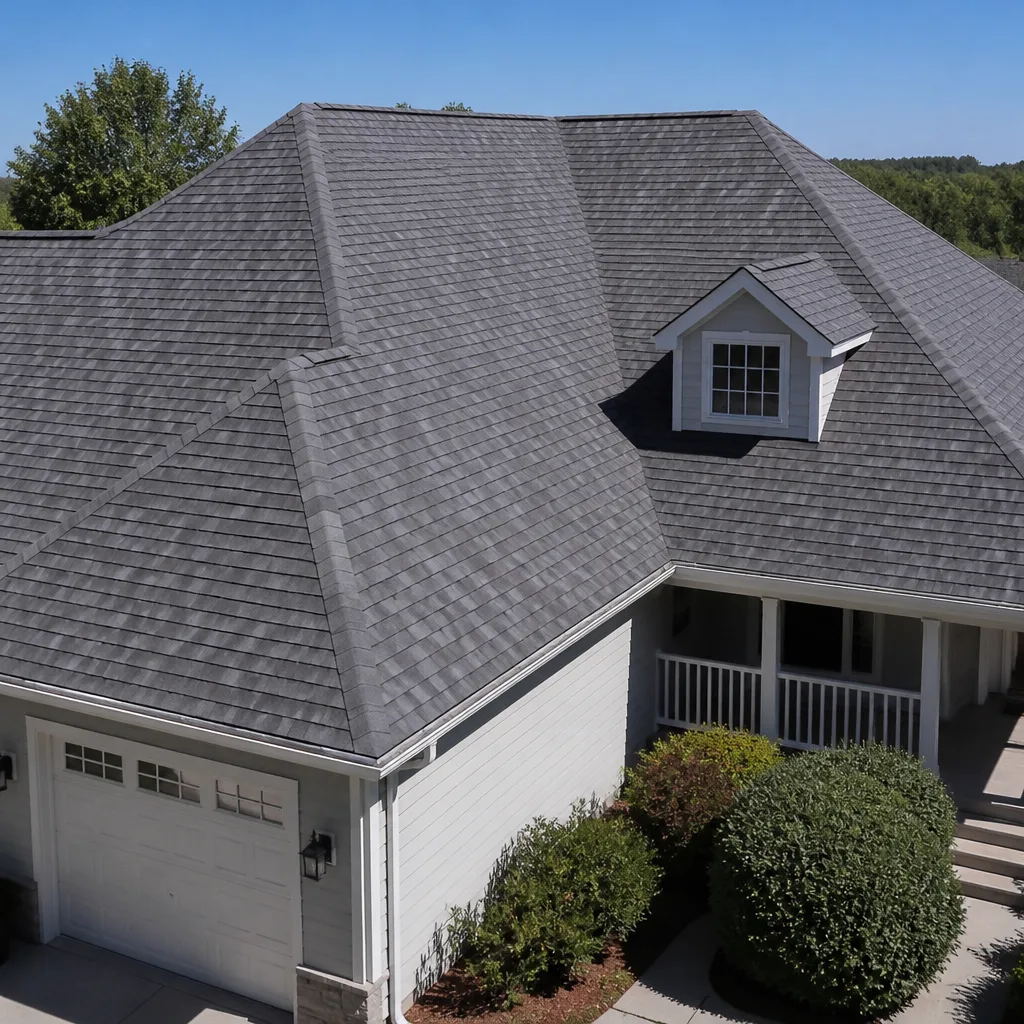 Owens Corning
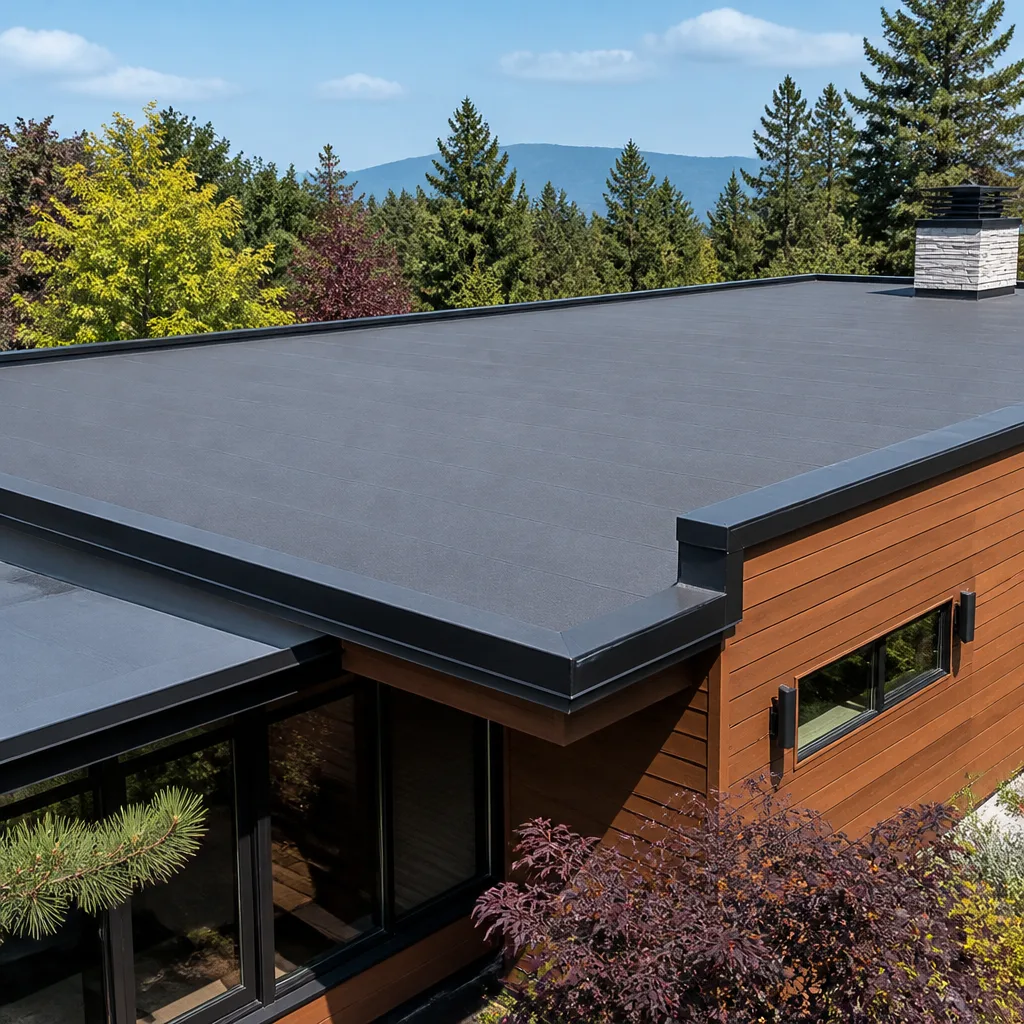 Flat & low-slope
Free roof inspection with deck photos before we talk money - GAF and Owens Corning certified installation
Choosing the Right Roofing Brand: A Buyer’s Guide for Tustin
Here’s a statistic that should make every Tustin homeowner pause: most “lifetime” shingle warranties prorate to near-zero value after year ten, and the full-replacement coverage you think you’re buying requires installation by a certified contractor using brand-specific accessories that almost no bid actually specifies. The roofing manufacturer landscape in Tustin is built on marketing tiers, dealer incentives, and warranty language engineered to sound far more protective than it is. This guide—along with our The Complete Guide to Roofing in Tustin—dismantles the brand myth and gives you the framework to evaluate roofing products the way a materials engineer would, not the way a brochure wants you to. You’ll learn how to read warranty documents for what they actually say, which product lines hold up under Tustin’s specific climate stressors, and the four questions that instantly reveal whether a contractor’s recommendation serves your roof or their margin.
Styles & brands we work with
Quick Answer
Choosing the right roofing brand in Tustin starts not with a logo but with four warranty terms: proration schedule, transferability, labor coverage, and wind/algae riders. The best brand for your home is the one whose specific product line, not just whose corporate name, performs under Tustin’s UV intensity and thermal cycling, and whose warranty remains meaningful after year ten. Always ask any contractor why they’re recommending a specific product: a specification-driven answer cites material composition and climate data; a margin-driven answer cites the brand name and a “preferred contractor” badge.
Table of Contents
- The Warranty Myth: What “Lifetime” Actually Means
- The Four Warranty Terms That Actually Matter
- How Tustin’s Climate Stresses Roofing Materials
- Manufacturer Tiers: When the Price Jump Is Justified
- The Dealer Incentive Problem: How “Preferred” Programs Bias Recommendations
- The Four Questions That Reveal a Real Recommendation
- A Material-by-Material Guide for Tustin Homes
- Common Mistakes to Avoid
- When to Call a Professional
- Frequently Asked Questions
- The Bottom Line
The Warranty Myth: What “Lifetime” Actually Means
The word “lifetime” on a roofing warranty doesn’t mean your lifetime, your home’s lifetime, or even the roof’s lifetime. It means the product’s lifetime, a term the manufacturer defines and can adjust. In practice, most residential shingle warranties in the Tustin market follow a predictable decay curve: full replacement coverage for the first 5 to 10 years, then a prorated schedule that drops the manufacturer’s payout by as much as 80% by year 15. By year 25, when the roof is likely reaching its functional end, the warranty might cover only 10% of replacement cost, and that’s before factoring in the labor to remove and reinstall. Those “lifetime” labels are doing a lot of heavy lifting for what is, on paper, a 10-year product warranty with a declining rebate attached.
We inspect roofs across Tustin, from the foothills of Tustin Heights to the tract communities near Tustin Ranch Road, and the disconnect between warranty language and warranty reality is one of the most common sources of homeowner frustration we encounter. A homeowner in the Cambridge Lane area discovers a shingle defect at year 12, assumes the “lifetime” warranty protects them, and learns the manufacturer’s obligation is a fraction of the material cost with zero labor coverage. The shingle didn’t fail differently; the warranty was always designed to fade.
Understanding this is the foundation of smart brand selection. You’re not choosing a manufacturer’s logo. You’re choosing the specific product line within that manufacturer’s portfolio, and you’re choosing based on how the warranty is written for that product, installed with that manufacturer’s required accessories, by a contractor the manufacturer certifies. Everything else is marketing.
The Four Warranty Terms That Actually Matter
When you compare roofing brands, skip the headline number on the warranty. Instead, read the fine print for these four terms. They determine what you’ll actually receive if the roof fails, and they vary significantly across manufacturers, even within the same product tier.
1. Proration Schedule
Proration is the mechanism by which the manufacturer’s financial obligation shrinks over time. Look for the year when proration begins (usually 5, 10, or 12 years), the rate of decline, and the minimum coverage floor. Some premium lines from brands like CertainTeed and Owens Corning maintain non-prorated coverage for 50 years or more; entry-level lines may start prorating after year 5. A “lifetime” warranty that prorates from year 5 is functionally a 5-year warranty with a coupon attached. In Tustin, where roofs live under intense UV for 300-plus days a year, a longer non-prorated window matters more than the same window would in a cloudier market.
2. Transferability
If you sell your Tustin home, does the warranty transfer to the buyer? Most manufacturers allow at least one transfer, but the terms vary. Some require the transfer to occur within a specific window (often 60 days after closing). Others convert the warranty to a prorated schedule upon transfer, effectively downgrading coverage for the new owner. Some premium products permit unlimited transfers. If you anticipate selling within the roof’s service life, a brand with strong transferability terms adds real resale value. A buyer who learns the roof carries a fully transferable, non-prorated premium warranty is less likely to negotiate roof replacement into the purchase contract.
3. Labor Coverage
Here’s the clause that separates a useful warranty from a symbolic one. Most manufacturer warranties cover materials only. If a defective shingle fails, the manufacturer pays for a box of replacement shingles, not the crew to tear off the old and install the new. Labor coverage, when offered, typically appears as a separate rider valid for the first 2 to 10 years. Brands like GAF and CertainTeed offer enhanced labor coverage when the roof is installed by a certified contractor using their full accessory systems. The value of that labor rider on a Tustin home with a complex roof pitch or steep elevation can exceed the material coverage itself. Always confirm, in writing, whether labor is covered, for how long, and whether the coverage includes tear-off or only overlay installation.
4. Wind and Algae Riders
Tustin doesn’t sit in a hurricane corridor, but Santa Ana wind events routinely push 40 to 60 mile per hour gusts through the canyons and across the flatter tracts. Those winds test shingle adhesion and nail placement. Default wind warranties often cap out at 60 mph, which means a strong Santa Ana event could exceed the covered threshold. Several manufacturers, Atlas and Tamko among them, offer upgraded wind riders that extend coverage to 110 or 130 mph when installed with high-wind nailing patterns and specific underlayment. Algae is a separate issue. Tustin’s coastal-adjacent humidity, especially in the lower elevations near the 5 and 55 freeways, supports the blue-green algae that streaks roofs across Southern California. Algae riders, where offered, typically cover streaking for 10 to 15 years, but only if the shingles include copper or other algaecidal granules. A shingle line without that granule treatment will streak; no warranty language changes that chemistry.
How Tustin’s Climate Stresses Roofing Materials
Tustin’s climate is deceptively hard on roofs. It’s not dramatic weather that causes the damage; it’s the accumulated effect of three persistent stressors: UV radiation, thermal cycling, and infrequent but intense rain. Understanding these helps you evaluate which product lines are engineered for this environment versus which are generic national products stamped with a familiar logo.
UV Index and Solar Degradation
Tustin sits in a zone where the UV index routinely reaches 9 to 11 during summer months, among the highest in the nation. That sustained ultraviolet exposure breaks down the asphalt in shingle substrate over time, causing brittleness, granule loss, and cracking. Shingle lines with higher asphalt content, thicker granule embedding, and UV-stabilized polymers resist this degradation measurably longer. This is why the entry-level “3-tab” shingle that dominated Tustin roofs for decades has largely disappeared from premium bids: its thinner substrate and lighter granule coating simply don’t survive the sun exposure as long as architectural lines with 30 to 50 percent more material.
Thermal Cycling Range
Tustin’s daily temperature swing is significant, especially in the summer when daytime highs in the 90s give way to overnight lows in the 60s. That 30-degree cycle causes the roof deck and shingles to expand and contract daily. Over 20 years, that’s more than 7,000 expansion cycles. Products with better dimensional stability, meaning less movement per degree of temperature change, resist the micro-cracking and nail-slot wear that thermal cycling produces. Manufacturers design for this with modified asphalt formulations and fiberglass mat construction, but the performance difference isn’t visible on a sample board. It shows up at year 15, when thermally stable shingles still lay flat while lower-grade products begin to show curl, lift, or granule shed.
Low-Frequency, High-Intensity Rain
Tustin averages around 13 inches of rain a year, but that rain arrives in a handful of concentrated storm events, often in January and February. The roof must handle months of dry heat followed by sudden, intense precipitation. This pattern stresses two systems: the underlayment, which must bridge the gap between shingle layers during wind-driven rain, and the flashing, which channels water at penetrations. Products like Boral’s concrete and clay tile lines, which are common on Tustin’s tile-roofed homes, perform differently than asphalt shingles in these conditions. Tile sheds water effectively but relies entirely on the underlayment beneath it; if that underlayment degrades during the dry season, the first heavy rain finds the roof deck. Asphalt shingle systems are more self-sealing but depend on proper granule retention to maintain their water-shedding surface.
The takeaway for brand selection: a nationally marketed shingle may carry a great warranty, but if its formulation doesn’t address UV stability and thermal cycling specifically, it’s the wrong product for Tustin, regardless of the logo on the wrapper. This is why our recommendations at Bellwether Roof Repair are product-line specific, not brand-generic. We inspect roofs in Tustin and see which materials look new at year 12 and which look finished.
Manufacturer Tiers: When the Price Jump Is Justified
Every major roofing manufacturer sells multiple product tiers, and within a single brand, the performance difference between an entry-level and a premium line can be larger than the difference between two brands at the same tier. Understanding this tier structure is more important than comparing brand names. Here’s how the tiers break down in the Tustin market.
Entry-Level: “3-Tab” Shingles
These are the least expensive asphalt shingles, with a flat profile and a single layer of material. Most 3-tab lines carry 20- to 25-year warranties. In Tustin, we rarely recommend these anymore. The UV exposure and thermal cycling cut their functional life to 15 to 18 years, the warranty proration begins early, and the wind resistance without upgraded installation is marginal. The initial cost savings of 15 to 20 percent versus an architectural line disappear at year 12, when replacement looms.
Mid-Tier: Architectural / Dimensional Shingles
Architectural shingles are the current standard for Tustin asphalt roofs. They use a laminated construction with twice the material of a 3-tab, a dimensional profile that hides surface imperfections, and warranties that range from “lifetime” with 10-year non-prorated windows to 50-year proration schedules. Products in this tier from Atlas, IKO, and Tamko all perform well under Tustin conditions when installed with the manufacturer’s recommended underlayment and ventilation. The price jump from entry to architectural, typically 20 to 30 percent, is justified by measurable performance improvement: better granule retention under UV, better wind resistance, and better thermal stability. This is the tier where most Tustin homes should begin their comparison.
Premium: Designer / Impact-Resistant Lines
Premium shingle lines, often called “designer” shingles, add thickness, a high-profile appearance that mimics shake or slate, and enhanced performance ratings. The price premium over architectural shingles runs 30 to 50 percent. Is the jump justified? For most Tustin homes, the performance difference between a good architectural line and a premium line is smaller than the marketing would suggest. The designer aesthetic is real, and for a home in a higher-value Tustin neighborhood where curb appeal matters at resale, that difference has value. But if you’re paying for “impact resistance” on a line rated for hail, understand that Tustin sees almost no hail. The performance upgrade you’re buying is largely cosmetic unless the premium line includes specifically enhanced UV stabilizers or extended non-prorated coverage. Read the warranty’s non-prorated window on the premium line versus the architectural line from the same manufacturer: if the proration schedule is identical, you’re paying for profile, not protection.
The Dealer Incentive Problem: How “Preferred” Programs Bias Recommendations
Here’s the part of the roofing industry that no brochure will explain to you. Every major manufacturer runs a contractor certification or “preferred” program: GAF’s Master Elite, CertainTeed’s SELECT ShingleMaster, Owens Corning’s Preferred Contractor, IKO’s Craftsman, Atlas’ Atlas Pro. These programs require contractors to meet volume thresholds (install a certain number of squares per year), attend manufacturer training, and use the manufacturer’s accessory products. In exchange, the contractor receives benefits: extended labor warranties to offer customers, marketing leads from the manufacturer’s website, co-op advertising dollars, and volume rebates.
Those benefits are not trivial. A contractor certified at the top tier of a manufacturer’s program may receive enough volume-based incentive to make that manufacturer’s products more profitable to install than an equivalent product from a non-partner brand. The contractor’s recommendation may still be a good product for your home. But the incentive structure means you can’t take the recommendation at face value. For help weighing self-installation against hiring out, read our DIY vs Professional Roofing: The Tustin Homeowner’s Decision Guide. The contractor is, on some level, financially motivated to steer you toward the brand that pays the best rebate, not necessarily the brand whose specific product line best matches your Tustin home’s exposure, pitch, and performance needs.
This is why Bellwether Roof Repair operates across seven manufacturers, including GAF, CertainTeed, Owens Corning, IKO, Atlas, Tamko, and Boral. When we recommend a product, there’s no single brand whose dealer agreement dictates the outcome. We inspect the roof first, then match the product to the home’s actual conditions: sun exposure, roof pitch, ventilation, existing deck condition, and budget. Seven manufacturers, one standard. Repair when repair is right, replace when replace is right. The recommendation comes from the roof, not from the rebate.
The Four Questions That Reveal a Real Recommendation
You don’t need to become a roofing engineer to evaluate a contractor’s brand recommendation. You just need to ask four questions, in order, and watch how the contractor responds. A specification-driven roofing specialist will answer each one directly. A margin-driven salesperson will deflect, repeat the brand name, or answer a question you didn’t ask.
Question 1: “What specific product line are you recommending, and what are the material properties that make it right for this roof?”
If the contractor says “GAF shingles,” push for the specific line: Timberline HDZ? Timberline UHDZ? If the answer is a brand name without a product line, you’re hearing a dealer relationship, not a specification. Ask what makes that line suitable for Tustin’s UV intensity and thermal cycling. A specialist will discuss granule retention, substrate weight, UV stabilization, or wind rating. A salesperson will discuss the warranty’s headline or the manufacturer’s reputation.
Question 2: “What’s the non-prorated window on this product’s warranty, and when does proration start?”
This single question filters out contractors who haven’t actually read the warranty document. Ask it casually, and watch the response. A contractor who installs this product line regularly will know that the non-prorated window on many architectural lines is 10 years, and that several premium lines extend that to 15 or more. If the answer is vague or the contractor reaches for a brochure to check, you’re learning something about their product depth.
Question 3: “Are you certified by this manufacturer, and does that certification give you any financial incentive to recommend their products?”
This is the integrity question, and it’s fair to ask. Every manufacturer’s certification program carries financial benefits. A contractor who answers honestly, “Yes, we’re certified, and yes, we receive volume benefits, but here’s why we still recommend this product for your roof,” is being transparent. A contractor who denies any incentive or acts offended by the question is not someone you want signing a contract. In our work at Bellwether Roof Repair across Tustin, from Red Hill to Tustin Legacy, transparency about brand relationships is the easiest way to build trust with a homeowner.
Question 4: “What’s the tear-off labor coverage on this warranty, and does it require manufacturer-specific accessories that change the bid?”
This question goes to the heart of what you’re actually paying for. Many full-labor warranties require the contractor to use the manufacturer’s entire accessory system: synthetic underlayment, ice and water shield, ridge cap shingles, starter strips, and even the manufacturer’s brand of nails. If your bid doesn’t specify those accessories, the labor warranty may be void, even though the contractor promised it. A contractor who can itemize the accessory requirements and confirm the bid includes them is protecting you. A contractor who glosses over the accessory question is selling you warranty language you can’t cash.
A Material-by-Material Guide for Tustin Homes
Brand is only half the decision. Material composition, which varies significantly across and within brands, determines how the roof will age in Tustin’s climate. Here’s how the major material categories perform locally.
Asphalt Shingles: The Default, But Not All Defaults Are Equal
Asphalt shingles dominate Tustin residential roofs, and for good reason: cost, ease of installation, and a mature warranty infrastructure. But “asphalt shingle” spans a range from thin 3-tab products to thick, UV-stabilized architectural lines. Brands like Atlas, IKO, and Tamko all manufacture strong architectural products that we install regularly in Tustin. The key variables are substrate weight, granule type, and asphalt formulation. Ask for the product’s weight per square (100 square feet of material). A heavier shingle generally contains more asphalt and granule, which correlates with better UV resistance and longer functional life. In Tustin, a good architectural shingle should weigh 250 to 350 pounds per square, compared to 200 to 240 pounds for a 3-tab.
Concrete and Clay Tile: The Tustin Classic
A substantial share of Tustin homes, especially in the older neighborhoods near Old Town and the hillside communities, carry concrete or clay tile roofs. Boral is the dominant manufacturer in this category in Southern California, and their tile lines are engineered for the region’s UV load and thermal cycles. Tile roofs can last 50 years or more, but the tile itself is only part of the system. The underlayment beneath it has a shorter service life, typically 20 to 30 years, and Tustin’s dry-season heat accelerates underlayment degradation. When we inspect tile roofs in Tustin, the question is rarely whether the tile is failing; it’s whether the underlayment is still doing its job. A tile roof with exhausted underlayment looks fine from the street and leaks at the first heavy rain.
Metal Roofing: Niche but Growing
Metal roofs are uncommon in Tustin’s residential market but growing in the hillside and custom-home segments. Their advantages are real: high UV resistance, low thermal mass, and superior wind performance. Their drawbacks are equally real: cost, noise during rain, and a limited contractor base with real metal roofing experience. If you’re considering metal, the brand question applies to the coating system more than the metal itself. Look for a Kynar or equivalent PVDF coating, which resists the chalk and fade that acrylic-coated metal shows after a decade of Tustin sun.
Composite and Synthetic Shingles
Composite shingles, which mimic slate or shake using engineered polymers, occupy a small but growing niche in Tustin. The products are expensive, typically two to three times the cost of premium asphalt, but they carry long warranties and resist UV degradation well. The catch: because the category is newer and the installed base is smaller, long-term performance data under Tustin’s specific conditions is thinner than it is for asphalt or tile. If you’re evaluating a composite product, ask for independent UV aging data, not the manufacturer’s warranty language, and confirm that the installing contractor has completed multiple composite installations, not just attended a training seminar.
Common Mistakes to Avoid
- Buying the brand, not the product line. Every manufacturer sells multiple tiers, and the spread within a brand exceeds the spread between brands. “CertainTeed” doesn’t tell you what you’re buying; “CertainTeed Landmark Pro” does. Specify the product line in writing on every bid.
- Skimming the warranty without reading the proration schedule. “Lifetime” is a marketing word. The proration schedule is a legal document. Find the year proration begins and the coverage floor, or you’re buying a 10-year warranty with a “lifetime” label.
- Ignoring the accessory requirement. Full-labor warranties only apply when the roof is installed with the manufacturer’s complete accessory system. If the bid doesn’t list the underlayment, starter strips, and ridge products by manufacturer name, the warranty promise may be unenforceable.
- Trusting a “preferred contractor” badge as a quality signal. Those badges reflect sales volume, not installation craft. A high-volume contractor can still install poorly, and the badge itself carries financial incentives that may bias the recommendation.
- Choosing the cheapest quote and assuming product parity. In Tustin, two bids for “architectural shingles” can differ in product weight, warrantied wind speed, and accessory completeness by 30 percent or more. The cheaper bid is usually cheaper for a reason, and that reason shows up around year 12.
- Overlooking underlayment on tile roofs. Tustin homeowners with tile roofs often assume the tile protects the home for half a century. The tile does; the underlayment doesn’t. Get the underlayment inspected, especially if the roof is past 20 years old, before the winter rains arrive.
- Comparing warranties across brands without comparing the labor component. A “50-year warranty” with no labor coverage is worth less than a “30-year warranty” with 10 years of full labor coverage. Labor is usually the larger cost on a re-roof.
When to Call a Professional
If you’re reading this guide because you’re planning a roof replacement in Tustin, the most important step isn’t choosing a brand; it’s getting an objective condition assessment before any financial commitment. For a deeper look at repair options, see our The Complete Roof Repair Guide for Tustin Homeowners. A professional inspection can tell you whether the existing roof has remaining functional life (in which case repair may be the right call), whether the deck or ventilation needs attention before new materials go on, and which product lines genuinely match your home’s sun exposure, pitch, and budget. Roofing is all we do at Bellwether Roof Repair, and we inspect before we recommend. If you’re in Tustin and want a straight answer about what your roof actually needs, call (833) 824-0047 for a free estimate. We’ll tell you repair when repair is right and replace when replace is right, and the brand recommendation will come from your roof, not from a dealer agreement.
Frequently Asked Questions
There’s no single best brand for Tustin; the better question is which product line within a brand matches your home’s sun exposure, roof pitch, and warranty needs. Explore our more guides & resources for additional help with your roofing decisions. We install products from seven manufacturers, including Atlas, IKO, Tamko, and Boral, and our recommendation is driven by the roof’s condition, not a brand preference. For most Tustin asphalt roofs, a strong architectural shingle with a non-prorated warranty window of at least 10 years is the practical standard.
Roof replacement costs in Tustin vary significantly by material, roof size, pitch, and deck condition. Asphalt shingle replacements on a typical Tustin home generally run from $12,000 to $28,000 depending on the product tier and accessory completeness, while tile and premium systems start higher. Call (833) 824-0047 for an exact quote, our estimates are free and line-itemed so you can see exactly what you’re paying for.
Architectural shingles use a laminated, two-layer construction with roughly twice the material of a 3-tab shingle, which improves UV resistance, wind resistance, and thermal stability under Tustin’s intense sun and daily temperature swings. A 3-tab shingle is a single flat layer with a 20 to 25 year warranty; an architectural shingle typically carries a “lifetime” warranty with a non-prorated window of 10 years or more.
Concrete and clay tile from manufacturers like Boral can last 50 years or more, which is longer than most asphalt shingle systems. But the underlayment beneath the tile has a shorter life, typically 20 to 30 years, and Tustin’s summer heat degrades it faster than the tile itself. A tile roof needs underlayment inspection and eventual replacement even when the tile is still sound.
Most “lifetime” warranties prorate significantly after a non-prorated window of 5 to 10 years, meaning the manufacturer’s material payout drops to a fraction of replacement cost. Labor coverage, where it exists, typically expires even sooner. Read the warranty’s proration schedule and labor rider before comparing brands; call (833) 824-0047 if you want help interpreting a specific warranty document, we do this daily for Tustin homeowners.
Yes, and this is the single most important step in the process. An objective inspection establishes whether the roof has remaining life (in which case repair may be the better financial call), whether the deck and ventilation are sound, and which product lines genuinely match your home’s conditions. We inspect before we recommend at Bellwether Roof Repair, and the inspection doesn’t obligate you to anything.
The Bottom Line
Choosing a roofing brand in Tustin is less about logos and more about reading the documents most homeowners skip. The warranty’s proration schedule, transfer terms, labor coverage, and wind riders determine real value far more than any “lifetime” headline. The product line within a brand matters more than the brand itself, and the contractor’s honesty about manufacturer incentives reveals more than any certification badge. If you’re in Tustin and want a recommendation you can trust, start with the roof, not the brand. At Bellwether Roof Repair home, we install products from seven manufacturers and recommend the one that fits your home. If your roof is aging and you’re weighing replacement, see our Roof Replacement in Yorba Linda guide for the adjacent process details, and our Roof Inspection in Yorba Linda page for how we assess condition before any commitment. For repairs, the Roof Repair in Yorba Linda page covers what a proper repair looks like. Roofing is all we do, and we inspect before we recommend. Call (833) 824-0047 to schedule your free estimate in Tustin.
Written by the team at Bellwether Roof Repair, serving Tustin since 2018.
See the difference
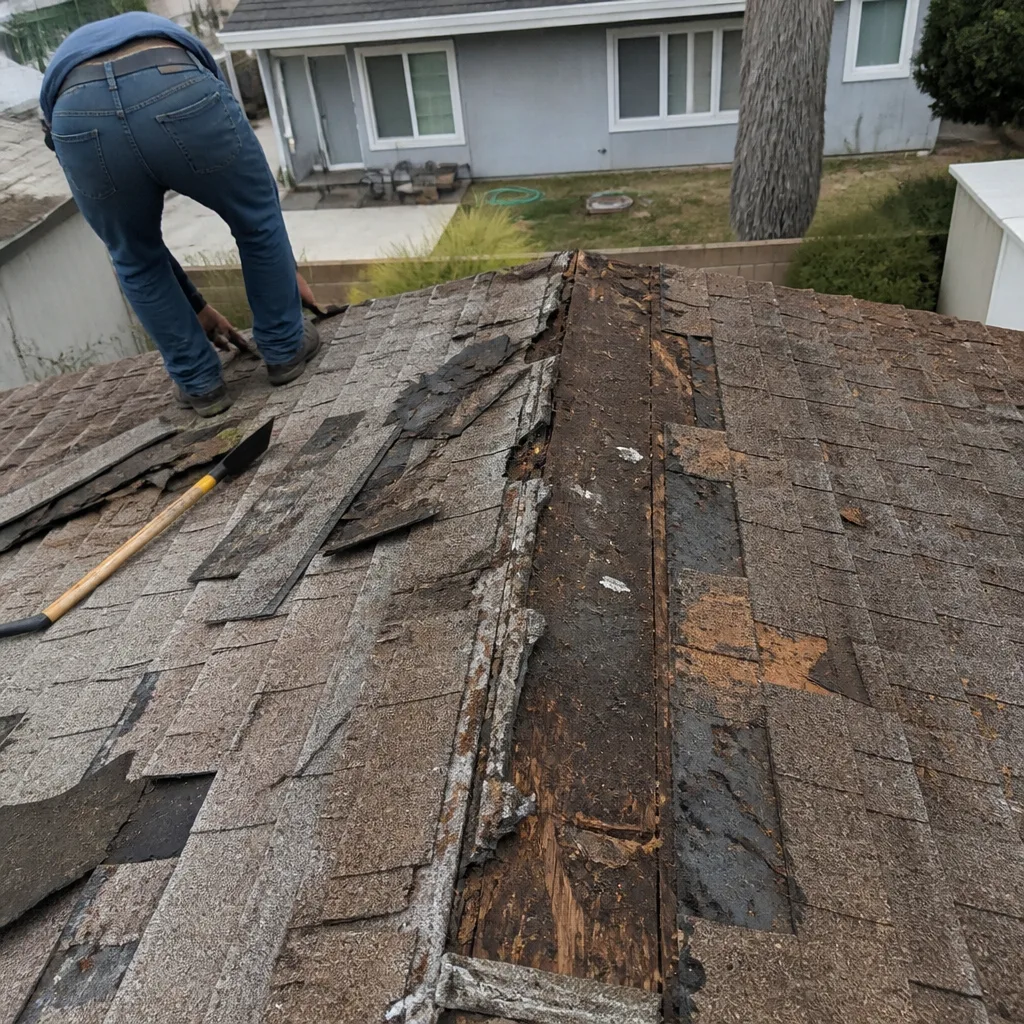 Before
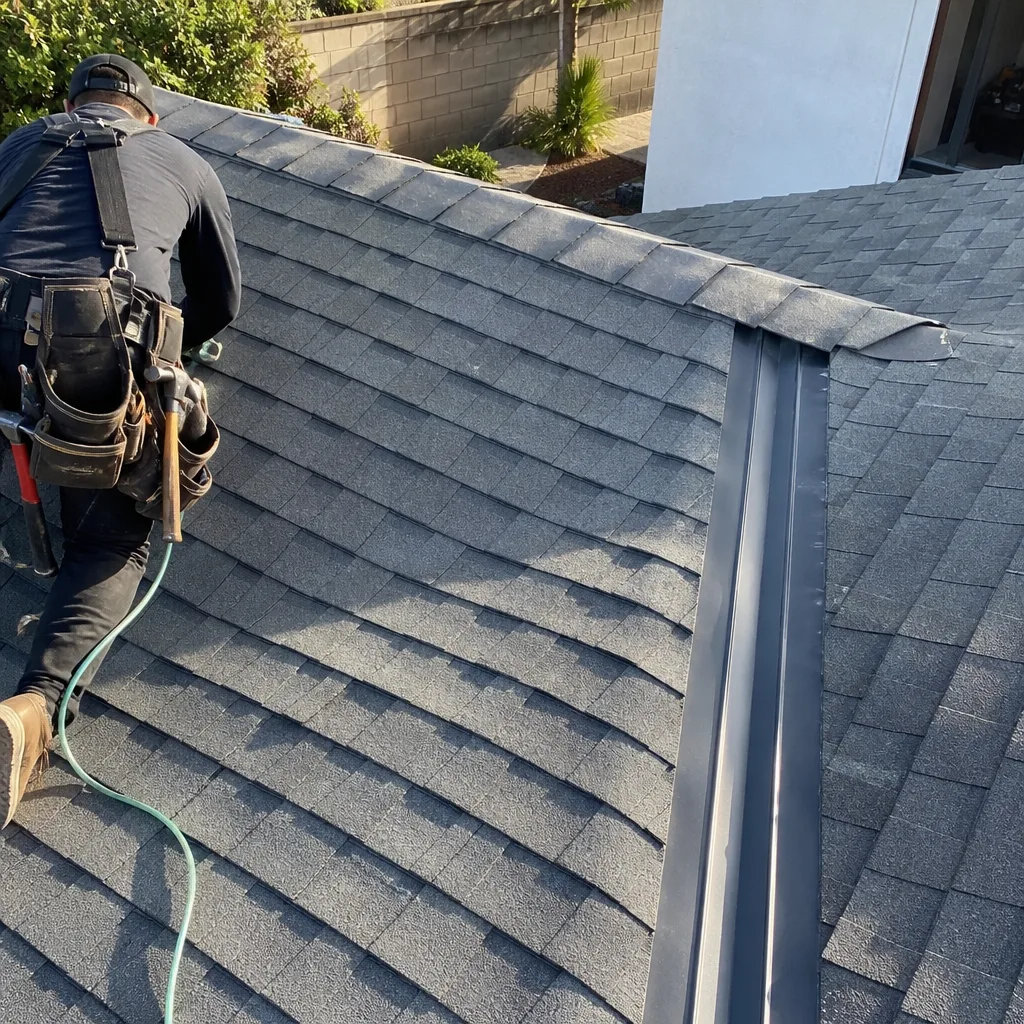 After
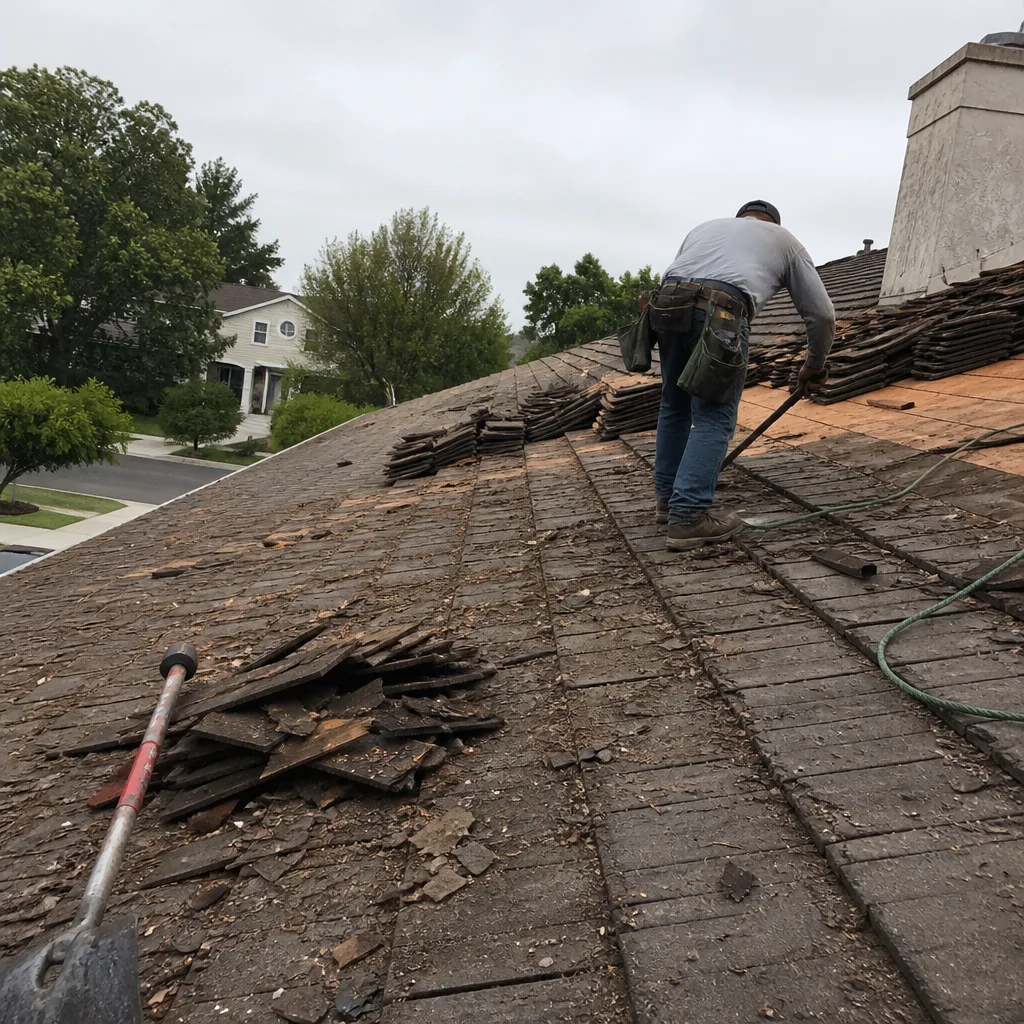 Before
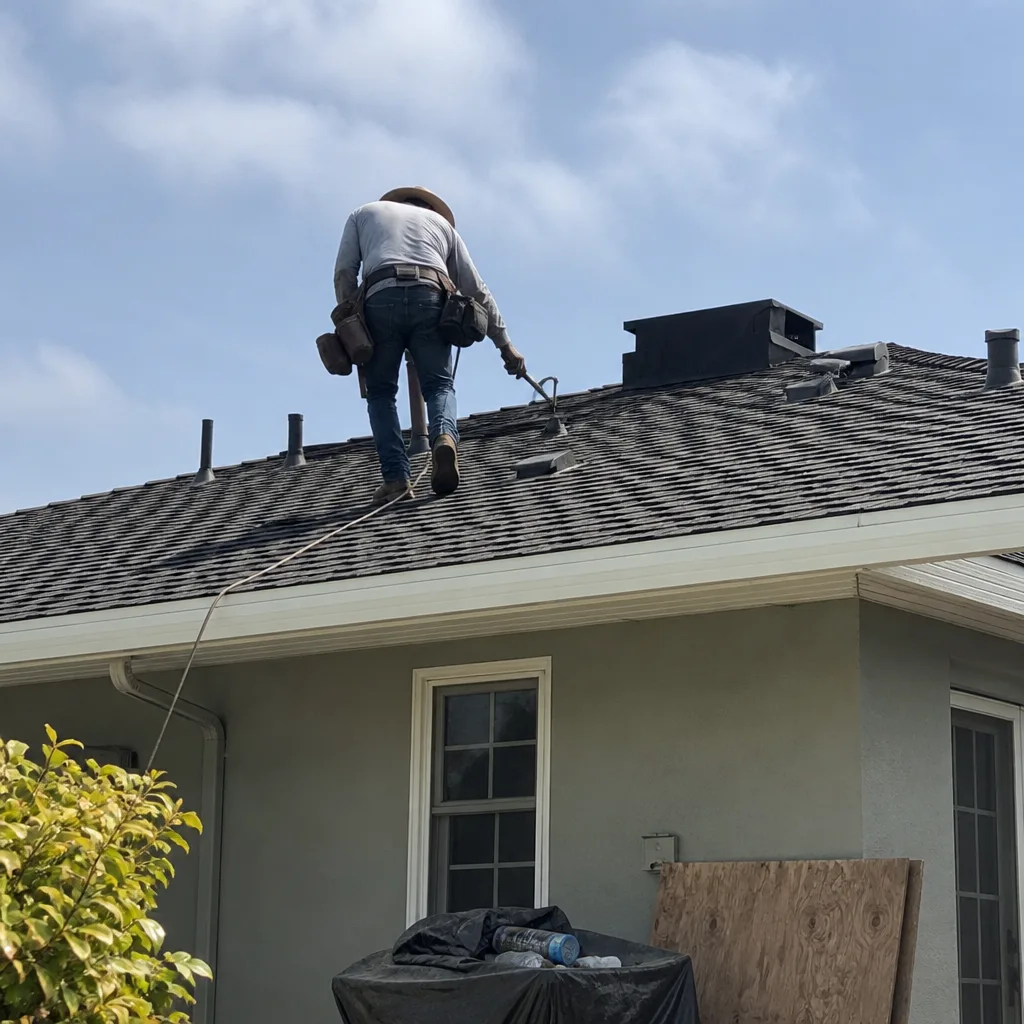 After
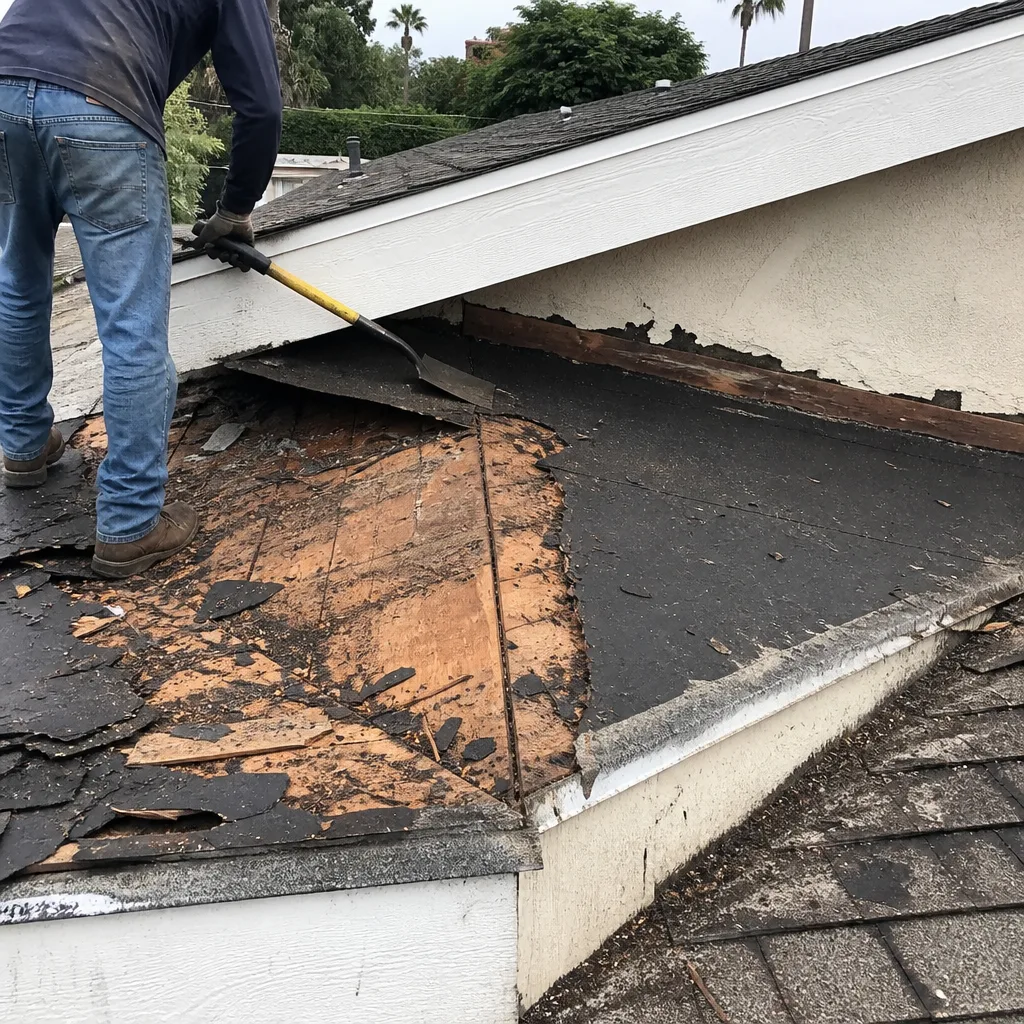 Before
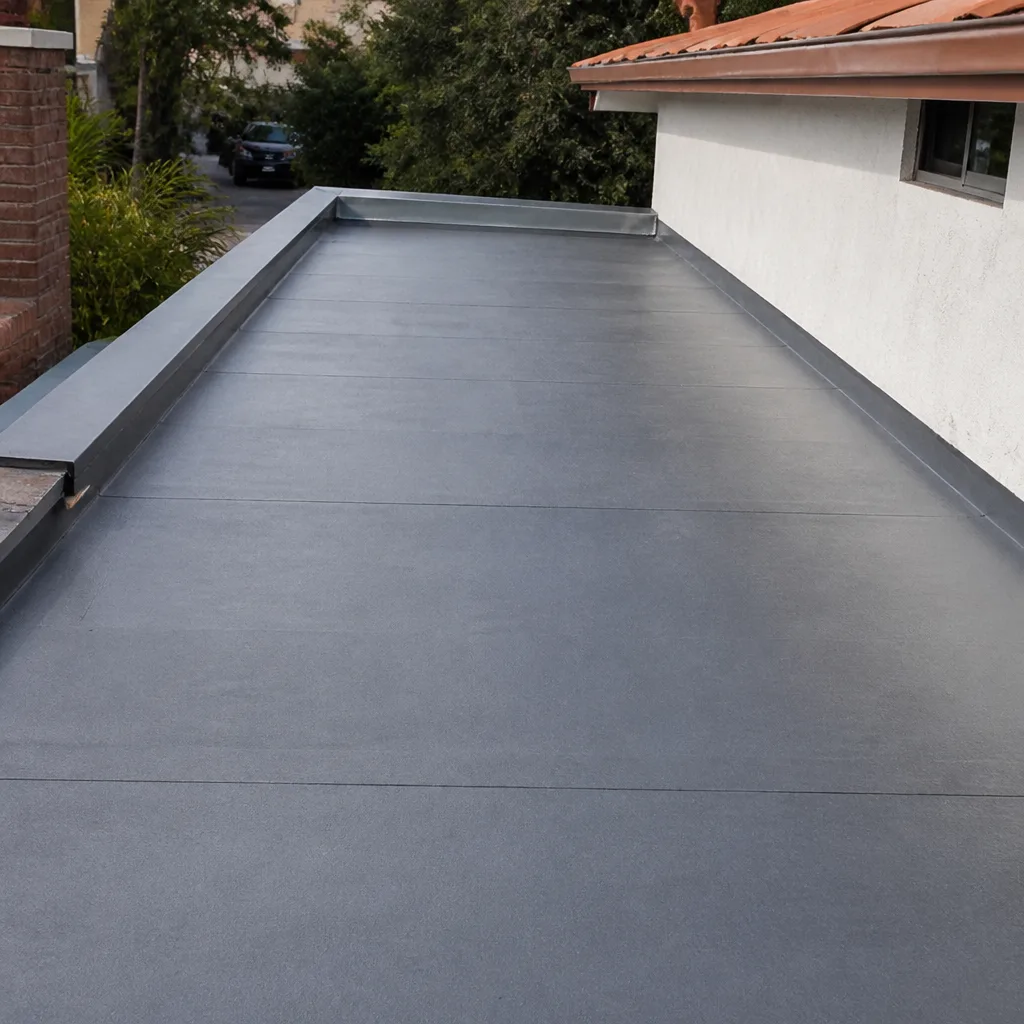 After