

Last updated October 31, 2026
 Metal roofing
 Architectural shingles
 Tile roofing
 GAF
 Owens Corning
 Flat & low-slope
Free roof inspection with deck photos before we talk money - GAF and Owens Corning certified installation
Seasonal Roofing Care for Tustin: Year-Round Homeowner’s Guide
Tustin averages roughly 13 inches of rainfall per year, which leads a lot of homeowners to treat roof maintenance as an afterthought. That number hides the real story: Tustin’s rain arrives in concentrated bursts, often delivering a month’s worth of water in a single afternoon. When that happens, an unprepared roof takes on more water per storm hour than nearly any coastal California property. This Complete Guide to Roofing in Tustin breaks down the actual seasonal rhythm, not the generic four-season calendar that doesn’t apply here. You’ll learn exactly when to inspect, what to clear, which heat patterns cause the most damage, and how to document storm impact before it becomes an insurance headache.
Styles & brands we work with
Quick Answer
Seasonal roof care in Tustin means treating the year as two action windows, not four seasons. The critical work happens in October, before the first concentrated storm system arrives, and again in late spring, after the jacaranda and pepper trees finish dropping debris. A correctly timed inspection in those two windows catches nearly every problem that Tustin’s climate cycle creates, from heat-fractured sealant to clogged valley drains.
Table of Contents
- The Real Climate Cycle: Why Tustin Doesn’t Follow the Calendar
- The Pre-Storm Window: October Action Period
- Summer Thermal Performance: Heat Damage vs. Age
- Post-Storm Protocol: Same-Day Documentation
- Spring Debris Management: Jacaranda, Pepper, Eucalyptus
- June Gloom UV Amplification: The South-Slope Pattern
- A Working Maintenance Schedule for Tustin Homeowners
- Common Mistakes to Avoid
- When to Call a Professional
- Frequently Asked Questions
- The Bottom Line
The Real Climate Cycle: Why Tustin Doesn’t Follow the Calendar
Tustin sits inland enough to escape the constant marine layer that keeps coastal Orange County roofs damp, but close enough to the foothills to catch the Santa Ana wind patterns that drive debris into every corner of a roofline. That position creates a specific climate rhythm: long dry stretches punctuated by short, intense wet periods, with sustained summer heat that works on roofing materials differently than the milder coastal zones.
We’ve inspected roofs across Orange County, and the pattern in Tustin is consistent. Roofs here fail in two predictable ways: either the dry-season heat degrades the adhesive and sealant layers slowly over years, or the wet-season downpour finds every weakness that the dry season created. There isn’t a slow, steady erosion cycle like you’d see in the Pacific Northwest. It’s more binary: the roof is either holding or it’s not, and the transition happens fast.
That’s why the standard advice to “inspect your roof once a year” doesn’t serve Tustin homeowners well. Once a year at the wrong time means you’re inspecting after the damage window has opened. The roof needs attention in the fall, before the first significant storm, and then again in late spring, after the tree debris season ends. Everything else is optional monitoring.
For homeowners who want a more thorough baseline than a visual check from the ground, our Roof Inspection in Yorba Linda service follows the same inspection-first process we use in Tustin. We establish the roof’s objective condition before any work is recommended, so you know what actually needs attention and what doesn’t.
The Pre-Storm Window: October Action Period
The first significant storm in Tustin typically arrives between late October and mid-November. That means the action window is October. Not December, not “whenever you get around to it.” By the time the first storm is in the forecast, roofing crews are booked out, and you’re left hoping the roof holds. October is when the smart work happens.
Here’s the priority order we recommend for October roof prep in Tustin:
- Clear every valley and gutter run. Tustin’s tree mix, particularly the eucalyptus and pepper trees that line older neighborhoods, drops debris that packs into valleys and blocks water flow. A blocked valley forces water sideways under shingles, which is how a small clog becomes a ceiling stain.
- Check sealant at every penetration. Pipe boots, vents, skylights, and chimney flashing all rely on sealant that breaks down under sustained summer heat. October is the last reliable window to re-seal before rain makes the work harder and the damage worse.
- Inspect flashing at walls and transitions. Roof-to-wall junctions are where Tustin roofs leak most often. The metal flashing itself rarely fails; the sealant and fasteners do.
- Look for lifted or curling shingle edges. Santa Ana winds in September and October find any shingle edge that has lost its adhesive bond. Once water gets under a lifted edge during a storm, the damage accelerates quickly.
- Evaluate tile roofs for cracked or shifted pieces. Tustin has a high concentration of concrete tile roofs. A cracked tile doesn’t always leak immediately, but it creates a direct path for water during a heavy event.
What to defer: full replacement planning can typically wait until after the storm season unless you have active leaks. The October window is about protection and triage, not major project starts. That said, if your inspection reveals widespread sealant failure or multiple damaged tiles, October is the right time to get a replacement scheduled for early spring rather than waiting for a leak to force the decision mid-winter.
For a deeper look at what a pre-storm repair involves, our Roof Repair in Yorba Linda page covers the same repair-first philosophy we bring to Tustin. We repair when repair is right, and we’ll tell you plainly when it’s not.
Summer Thermal Performance: Heat Damage vs. Age
Tustin regularly sees sustained runs of 95°F-plus days in July, August, and September. That heat doesn’t just make attics uncomfortable. It accelerates specific failure modes in roofing materials, and the damage pattern looks different from what most homeowners expect to see.
Here’s what sustained heat actually does to a roof in Tustin:
- Adhesive failure in asphalt shingles. The sealant strip that bonds one shingle to the next softens and re-cures repeatedly through a Tustin summer. After enough cycles, the bond weakens, and the shingle edge lifts. This looks similar to wind damage, but it’s thermal fatigue. The fix is different, so the diagnosis matters.
- Premature sealant cracking around penetrations. Pipe boots and vent flashings are typically the first to go because they’re exposed to direct sun all afternoon. Sealant that should last five to seven years can crack in three to four under Tustin’s heat load.
- Glaze deterioration on concrete tile. Tustin’s older neighborhoods have concrete tile roofs that are now 20 to 40 years old. The surface glaze wears down from UV exposure and thermal cycling, making the tile more porous and more vulnerable to water absorption.
- Attic ventilation strain. Under-ventilated attics in Tustin can reach 140°F in August. That heat radiates down into the living space and also bakes the roof deck from below, accelerating shingle failure from both sides.
The key distinction for homeowners is separating heat damage from age damage. A roof that’s 15 years old with heat-fractured sealant may be repairable. A roof that’s 25 years old with the same symptoms is showing end-of-life signs. The material, the attic ventilation, and the specific failure pattern all factor into that call.
Material matters here too. In our experience, certain shingle classes handle thermal cycling better than others, and a product-neutral recommendation matters. We install products from GAF, CertainTeed, Owens Corning, and several other manufacturers precisely so we’re not steering a Tustin homeowner toward whatever single brand we’re locked into. The right material for a south-facing Tustin roof with full afternoon sun may be different from the right material for a shaded north-facing slope. That’s the whole point of Bellwether Roof Repair home approach: seven manufacturers, one standard. Roofing is all we do, and we match the product to the actual conditions on your roof.
Post-Storm Protocol: Same-Day Documentation
When a storm hits Tustin hard, the work you do in the 24 hours after matters more than anything you could have done beforehand. Insurance claims live or die on documentation quality, and the clock starts the moment the storm passes.
Here’s the same-day protocol we recommend for Tustin homeowners:
- Document from the ground first. Take clear photos of the roofline from all four sides before you do anything else. The goal is to capture the roof’s condition before wind or sun changes it.
- Check the attic immediately if accessible. Use a flashlight and look for water stains, damp insulation, or visible drips. Photograph anything you find. Attic evidence is often more conclusive than exterior photos for insurance purposes.
- Photograph any visible exterior damage from the ground or a ladder. Do not walk on a wet or storm-damaged roof. The risk of a fall on a slick surface is real, and no documentation is worth a hospital visit. Use a camera with a zoom lens or a phone from a stable ladder position.
- Look for debris accumulation in valleys and gutters. Storm-driven debris can block drainage and cause localized ponding. Document the blockage before clearing it.
- Note the date, time, and storm details. Insurance adjusters want to know exactly which storm caused the damage. Written contemporaneous notes carry weight.
- Call a roofing professional for an assessment. A trained eye catches damage that homeowners miss, especially in the hard-to-see areas like flashing junctions and underlayment. Getting a professional inspection quickly means the insurance claim can proceed with stronger documentation.
One more thing about storm response: don’t wait to see if the leak “gets worse.” A small leak after a storm is the warning sign. The next storm will find the same entry point and cause more damage. We inspect before we recommend anything, so a post-storm inspection is an objective condition assessment, not a sales call.
Spring Debris Management: Jacaranda, Pepper, Eucalyptus
Tustin’s tree canopy is one of the city’s best features and one of its roofs’ biggest enemies. Three species dominate the local landscape, and each one creates a distinct debris problem.
Jacaranda trees drop flowers and fine leaflets in late spring, typically May and June. The flowers are sticky when wet and form a mat that clogs gutters and valley drains quickly. The leaflets are small enough to slip under shingle edges and into scupper openings. If you have a jacaranda overhanging your roof, late May is your cleanup window.
California pepper trees shed continuously but peak in the spring. The leaves are narrow and oily, which means they don’t break down quickly. They pack into gutter runs and downspout openings. The oil residue also creates a slick surface that holds moisture against flashing and sealant.
Eucalyptus trees drop bark strips, seed pods, and leaves throughout the year, but the heaviest fall is late spring through summer. The bark strips are long and fibrous, wrapping around gutter guards and creating dams. Eucalyptus debris is also highly flammable, which matters during Tustin’s fire season.
The spring debris protocol for Tustin homeowners:
- Late May: Walk the perimeter and photograph roofline debris accumulation.
- Early June: Clear gutters, valleys, and scuppers. Don’t skip the scuppers; they’re the primary drainage on many Tustin flat and low-slope roofs.
- Mid-June: Inspect for debris that has worked under shingle edges or into vent openings. This is the stuff that won’t wash out on its own.
- Late June: Schedule an inspection if you see any sign of water ponding or debris you can’t safely reach.
For homeowners with significant overhanging trees, spring is also the time to evaluate whether branch trimming is needed. Overhanging branches don’t just drop debris; they abrade shingle surfaces during wind events and provide a path for pests onto the roof. The Roof Replacement in Yorba Linda work we do often includes remediating tree-related damage that accumulated over years of deferred maintenance.
June Gloom UV Amplification: The South-Slope Pattern
June Gloom in Tustin isn’t just a coastal fog phenomenon. The marine layer that forms in May and June reflects and scatters UV radiation in a way that full, direct summer sun doesn’t. The result is a distinct degradation pattern on south-facing roof slopes that summer-only inspections often miss.
Here’s what happens: the marine layer hangs low, and sunlight diffuses through it from multiple angles. Roof slopes that face south get hit with scattered UV from above and reflected UV from the haze below. The total UV dose on those slopes can exceed what the same roof receives on a clear July day, even though the air temperature is cooler. Homeowners don’t feel the heat, so they don’t think about the roof.
The practical result in Tustin is a pattern we’ve seen repeatedly: south-facing slopes show sealant cracking, shingle granule loss, and tile surface degradation earlier than north-facing slopes on the same roof. If you’re only inspecting in August, when the sun is high and direct, you’ll see the damage but not the pattern. If you inspect in June, you can catch the early-stage signs before the worst of summer heat compounds the problem.
Specific signs to look for on south-facing slopes during June in Tustin:
- Sealant cracking around south-side penetrations that looks newer than sealant elsewhere on the roof.
- Granule loss visible in gutter runoff after spring rain or heavy dew.
- Faded or chalky patches on concrete tile that appear only on the south side.
- Curling shingle edges concentrated on south-facing planes.
The fix is often straightforward: targeted sealant replacement on the affected slope, or selective shingle or tile replacement before the damage spreads. The key is catching it in June or early July, not waiting until a September heat wave or an October storm forces the issue.
A Working Maintenance Schedule for Tustin Homeowners
Putting the pieces together, here’s what a year of roof care in Tustin actually looks like:
October: Pre-Storm Protection
- Clear all valleys, gutters, and scuppers.
- Inspect and re-seal all penetrations.
- Check flashing at roof-to-wall junctions.
- Assess for lifted shingle edges or cracked tiles.
- Schedule repairs before the first storm hits.
November through March: Monitoring Only
- After each significant storm, check the attic for water intrusion.
- Document any leaks or stains immediately.
- Clear storm debris from valleys and drains as soon as it’s safe.
- Don’t schedule major roof work during this window unless a leak forces it.
April through May: Debris Management
- Track jacaranda, pepper, and eucalyptus debris accumulation.
- Clear gutters and valleys before the heavy spring drop peaks.
- Trim overhanging branches if needed.
June: UV and South-Slope Inspection
- Inspect south-facing slopes for early thermal damage.
- Check sealant on the hottest, most exposed sections.
- Evaluate attic ventilation as summer heat builds.
July through September: Heat Monitoring
- Watch for signs of sealant failure during extended heat waves.
- Check for granule loss in gutter runoff after any summer rain.
- Consider a full roof assessment if the roof is over 15 years old or showing multiple stress signs.
This schedule reflects the real rhythm of Tustin’s climate. It’s not the generic “inspect in spring and fall” advice that ignores the specific conditions here. The two windows that matter are October and late spring, with monitoring between.
Common Mistakes to Avoid
- Waiting until the forecast shows rain to address roof issues. By the time a storm is predicted, the window for effective work has closed. October is the action month in Tustin, not the week before the first storm.
- Ignoring south-facing slopes because they “look fine” from the ground. The UV amplification pattern during June Gloom means south slopes degrade faster than the rest of the roof. If you only inspect the visible, street-facing plane, you’re missing the most vulnerable section.
- Treating all granule loss as age-related wear. In Tustin, granule loss on a south-facing slope can be heat-driven, even on a relatively young roof. The fix may be ventilation improvement, not replacement.
- Letting jacaranda and pepper debris sit through the summer. Wet debris mats hold moisture against the roof surface and accelerate deterioration. Clear it in June, not when it becomes a visible problem.
- Assuming a small leak can wait. In Tustin’s concentrated rain pattern, a small leak is the warning sign that the next storm will exploit. Patch now, or replace later.
- Walking on a roof after a storm to check for damage. A wet, debris-covered roof is a fall hazard. Document from the ground and call a professional for the on-roof assessment.
- Choosing a roofing material based on what’s popular rather than what fits the home’s exposure. A north-facing Tustin roof in the shade has different requirements than a south-facing roof in full sun. The right material for your roof depends on the actual conditions, not the brand name on the package.
When to Call a Professional
Some roof work is safe and sensible for a homeowner. Clearing gutters from a stable ladder, photographing damage from the ground, and checking the attic after a storm are all reasonable tasks. Anything beyond that deserves a trained eye. Call a professional when you see water staining on ceilings or walls, when sealant is cracked around multiple penetrations, when shingles or tiles are visibly lifted or missing, when you can’t safely access the roof yourself, or when you need documentation for an insurance claim. Bellwether Roof Repair offers free estimates in Tustin, call (833) 824-0047 to schedule one. We inspect before we recommend, so the assessment is objective.
Frequently Asked Questions
Twice a year is the right cadence for Tustin’s climate: once in October before the storm season opens, and once in June after the spring debris drop and during the June Gloom UV window. A single annual inspection misses either the pre-storm protection window or the post-debris damage window. Call (833) 824-0047 to schedule an inspection timed to the Tustin seasonal cycle.
Inspection pricing varies based on roof size, material, access difficulty, and what’s included. In Tustin, a basic visual inspection can run from $150 to $350, while a more thorough assessment with photographic documentation and a written condition report runs higher. Bellwether Roof Repair offers free estimates for inspection and repair work, call (833) 824-0047 for exact pricing on your roof.
October isn’t the only time, but it’s the highest-priority action window because it sits between the summer heat damage cycle and the first storm. Repair work can technically be done year-round in Tustin’s dry climate, but the spring debris drop and summer heat create complications. October gives you the longest runway before rain, which is why we prioritize it.
We don’t recommend it. Walking on a roof risks damaging the roofing material and creates a fall hazard, especially on steep pitches or tile roofs where the surface is uneven. Ground-level inspection with binoculars or a camera zoom plus an attic check covers most of what a homeowner needs to see. For the on-roof assessment, call a professional, call (833) 824-0047 and we’ll handle it.
Sealant failure at penetrations and roof-to-wall junctions is the most common roof issue we see in Tustin. The sustained summer heat breaks down sealant faster than homeowners expect, and the concentrated winter rains exploit every crack. Regular October sealant inspection catches most of these failures before they become leaks.
That depends on the roof’s age, material condition, and the scope of the needed repairs. Repair when repair is right, replace when replace is right. A roof with localized sealant or flashing issues is repairable. A roof with widespread material deterioration or structural concerns is a replacement candidate. An inspection establishes which category your roof falls into before any money is spent. Call (833) 824-0047 for a free estimate and an honest assessment.
The Bottom Line
Tustin’s roof care calendar doesn’t match the generic advice. The real schedule is two action windows: October for pre-storm protection and late spring for debris cleanup and heat-damage assessment. Everything else is monitoring. Homeowners who time their attention to these windows—guided by resources like our Choosing the Right Roofing Brand: A Buyer’s Guide for Tustin when replacement is needed—catch problems when they’re cheap to fix, not after a storm has already done the damage. A roof that’s inspected in October and again in June is a roof that rarely surprises its owner. That’s the whole point of seasonal care: the timing does the work.
Written by the team at Bellwether Roof Repair, serving Tustin since 2018.
Need help with your Tustin roof? Call (833) 824-0047 to schedule a free estimate. We inspect before we recommend, and roofing is all we do.
See the difference
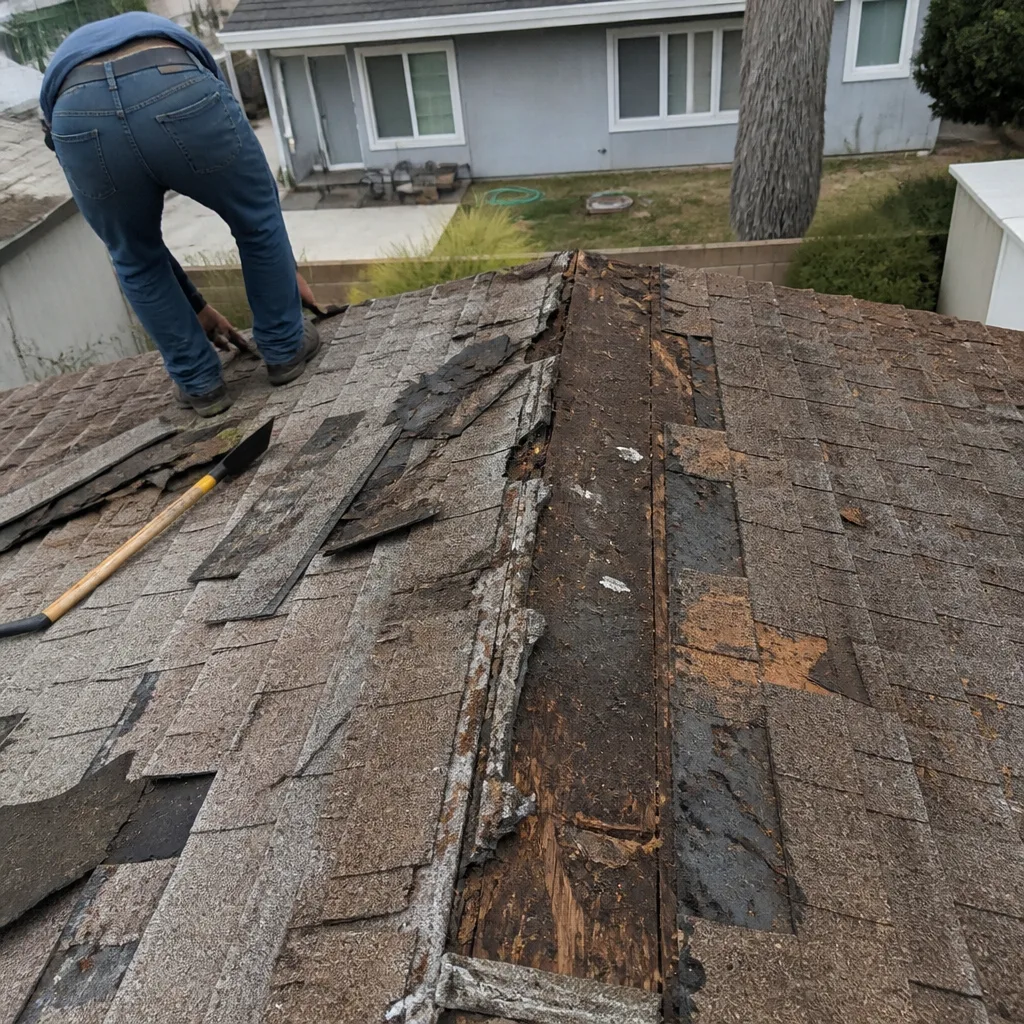 Before
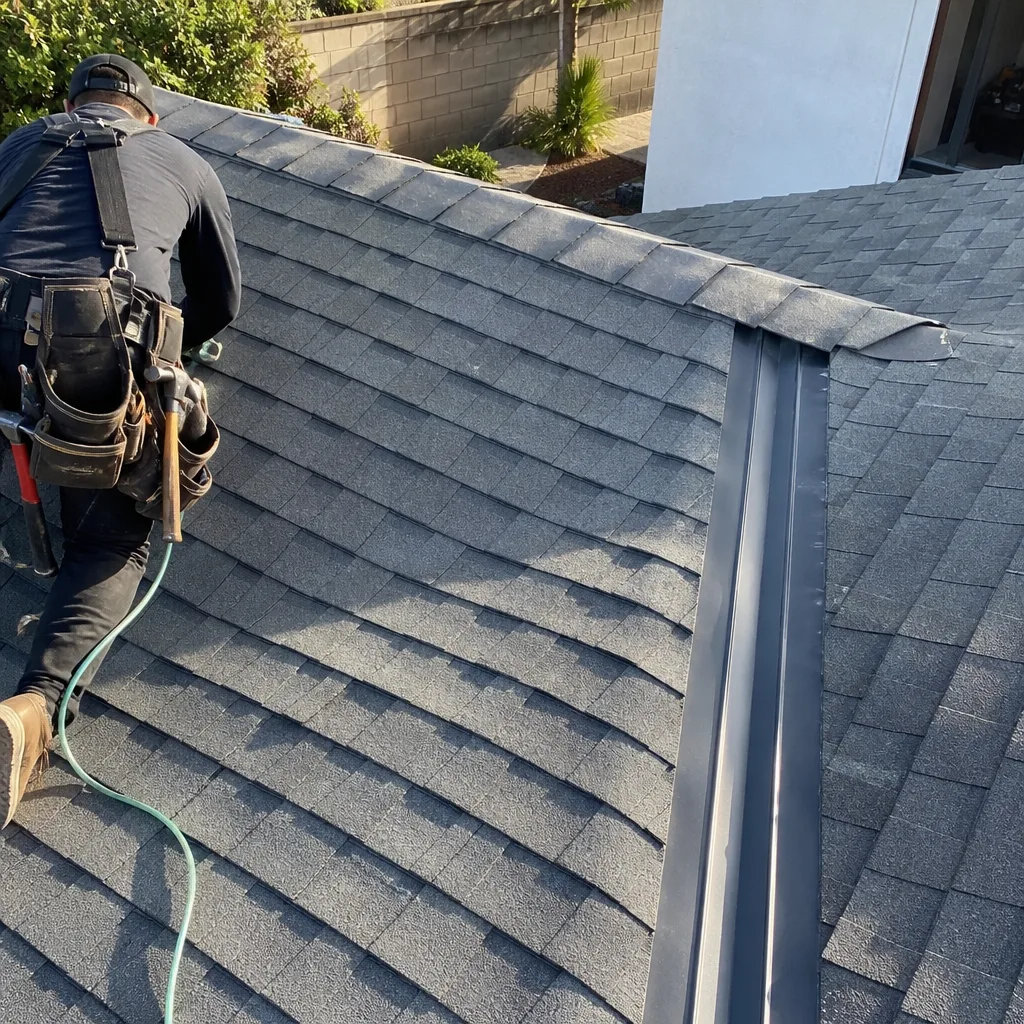 After
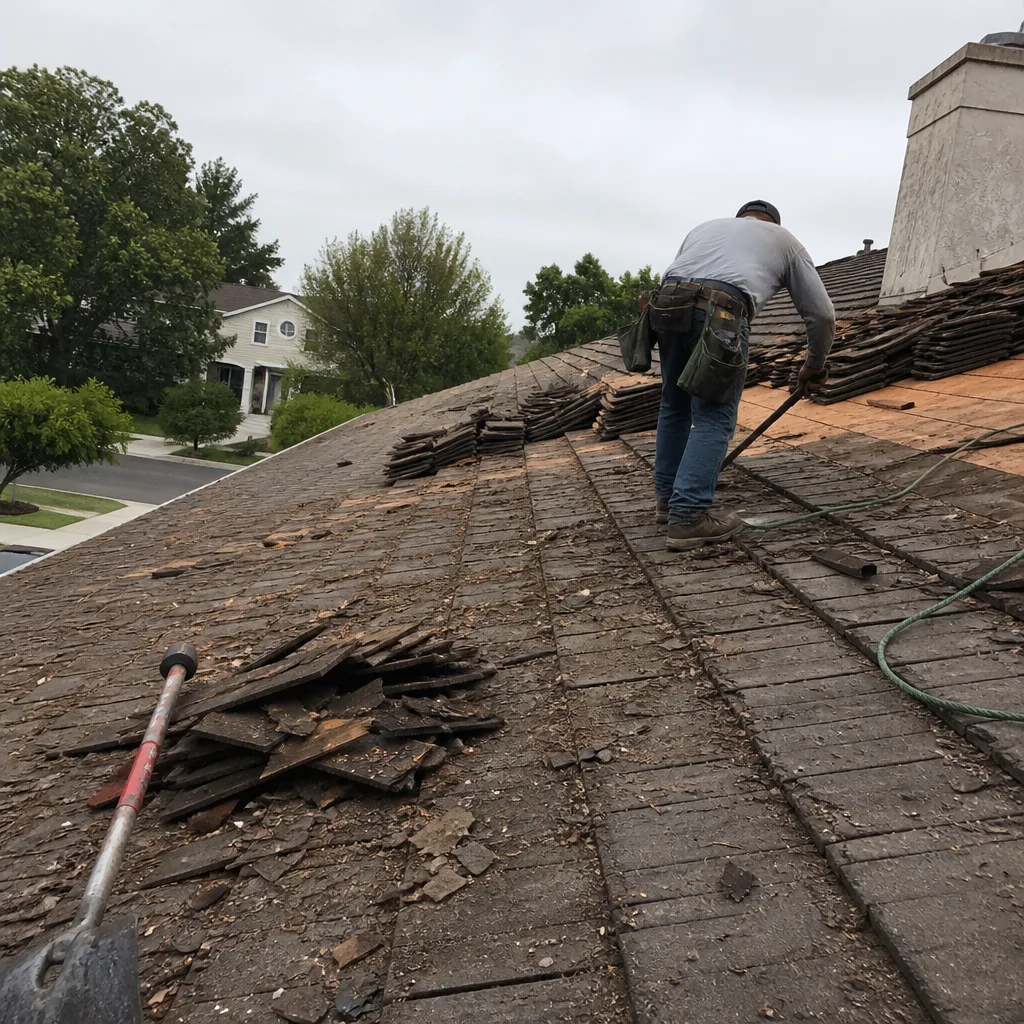 Before
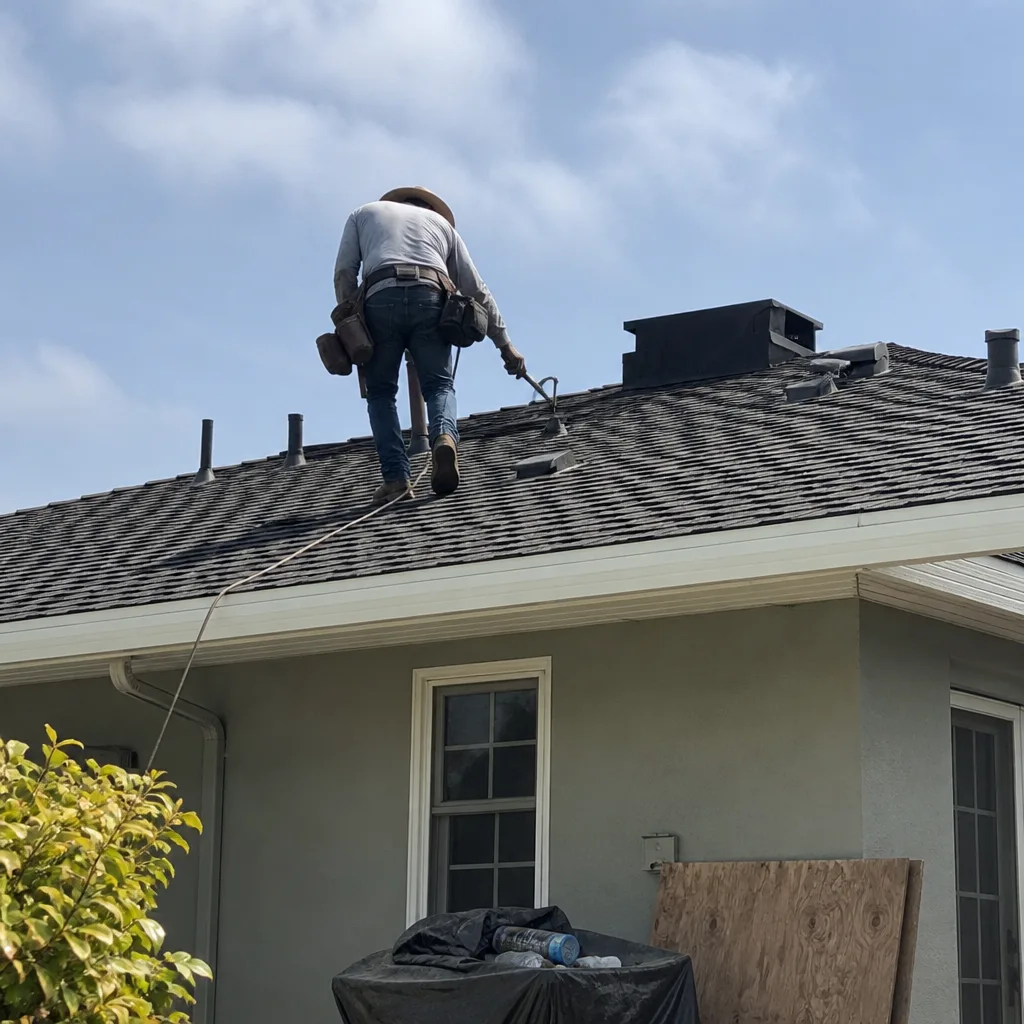 After
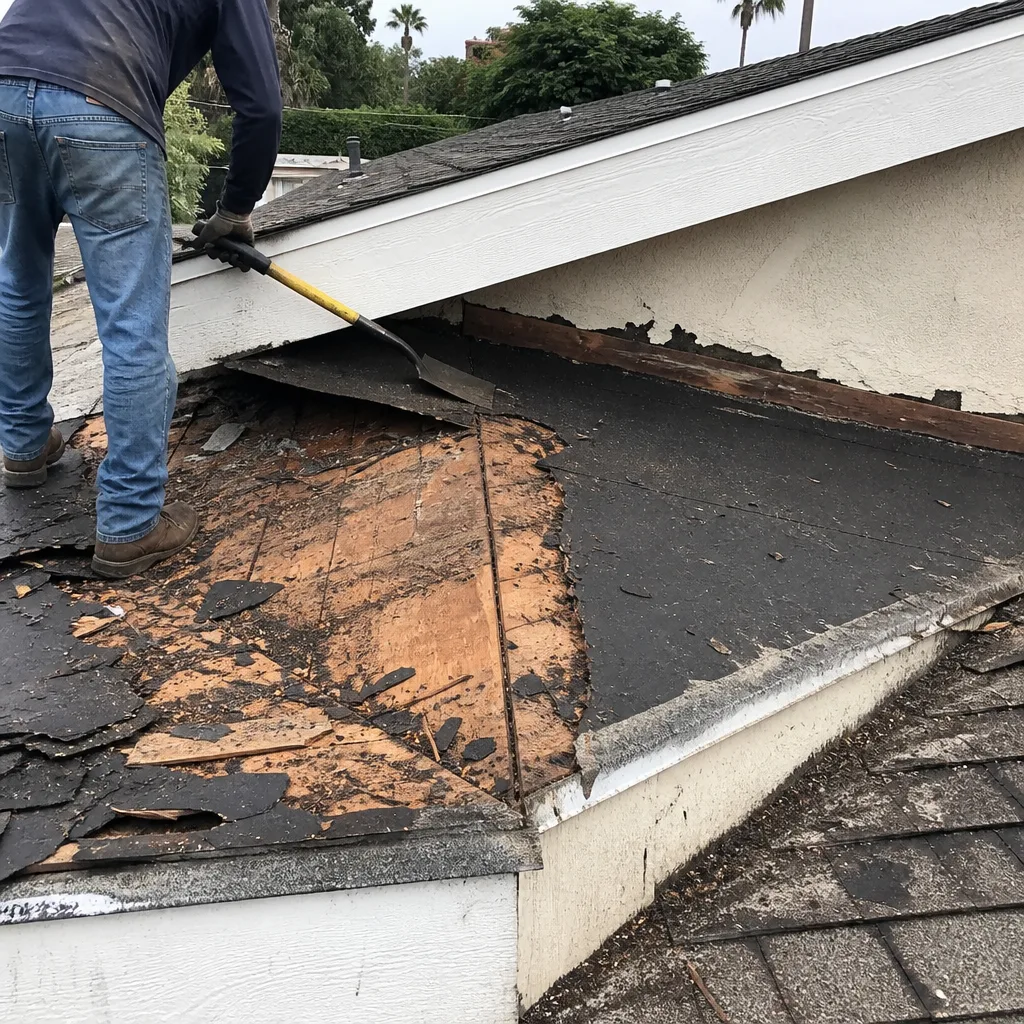 Before
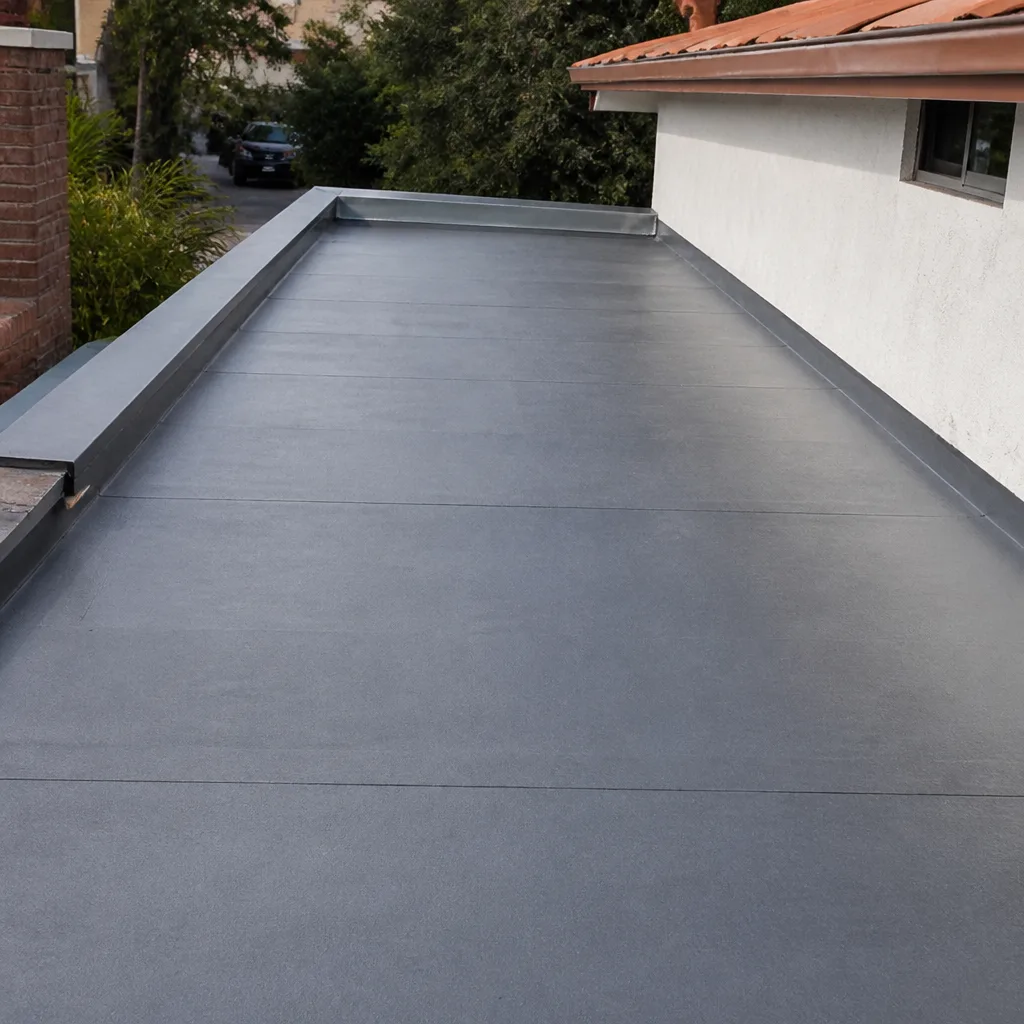 After