
Last updated October 31, 2026
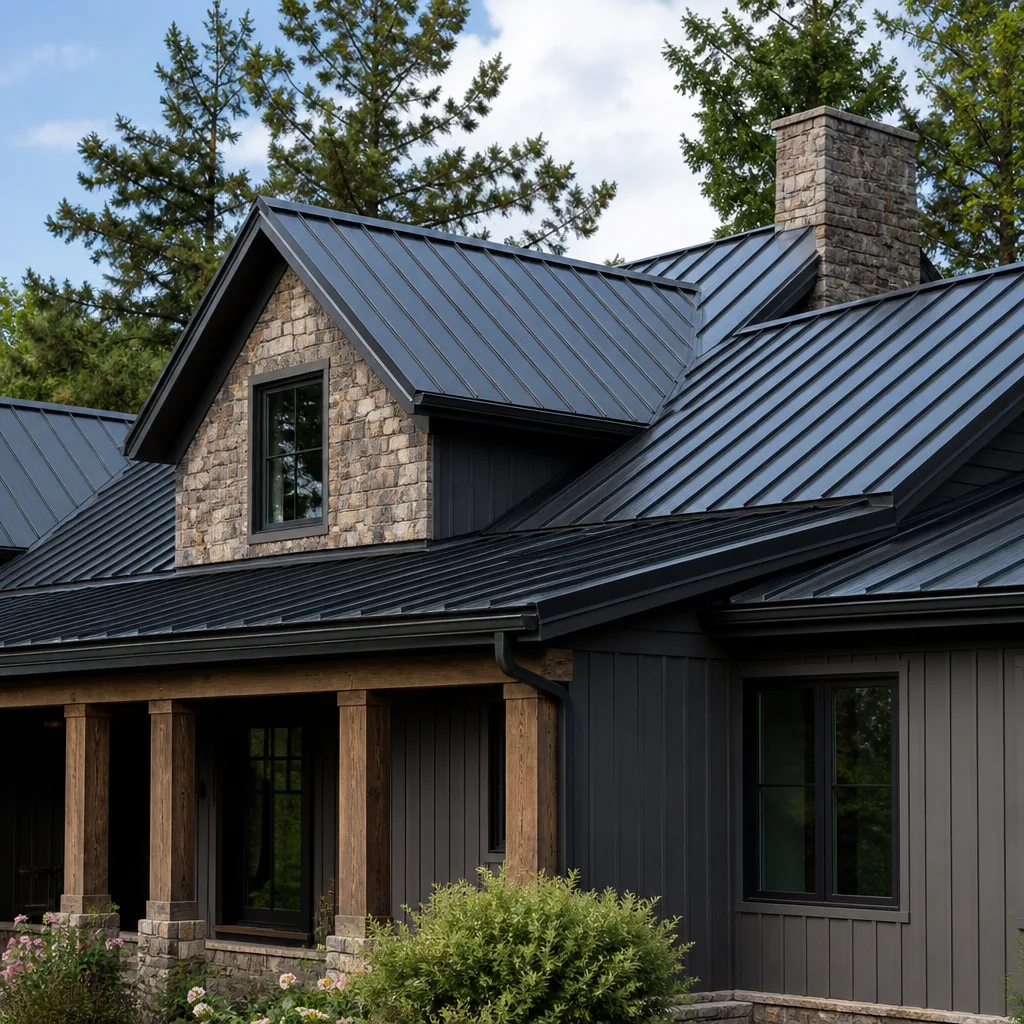 Metal roofing
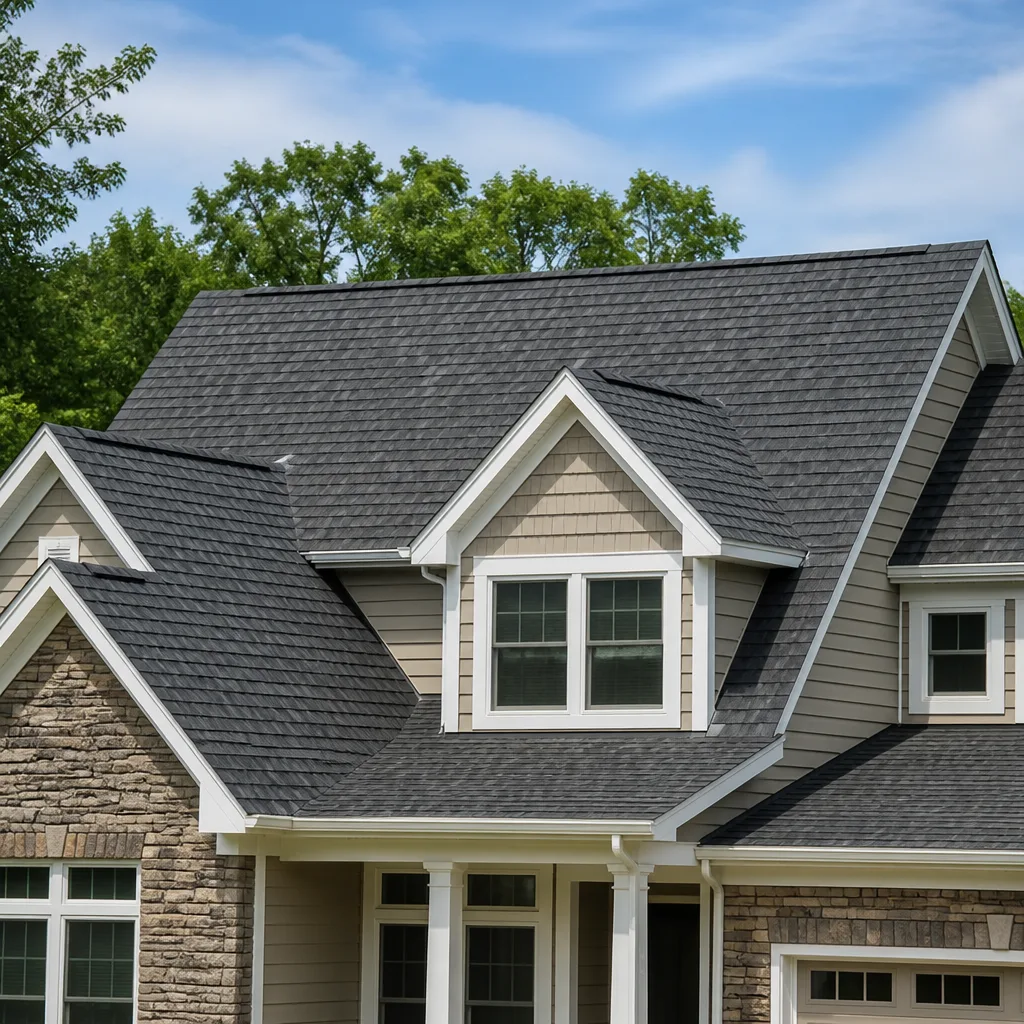 Architectural shingles
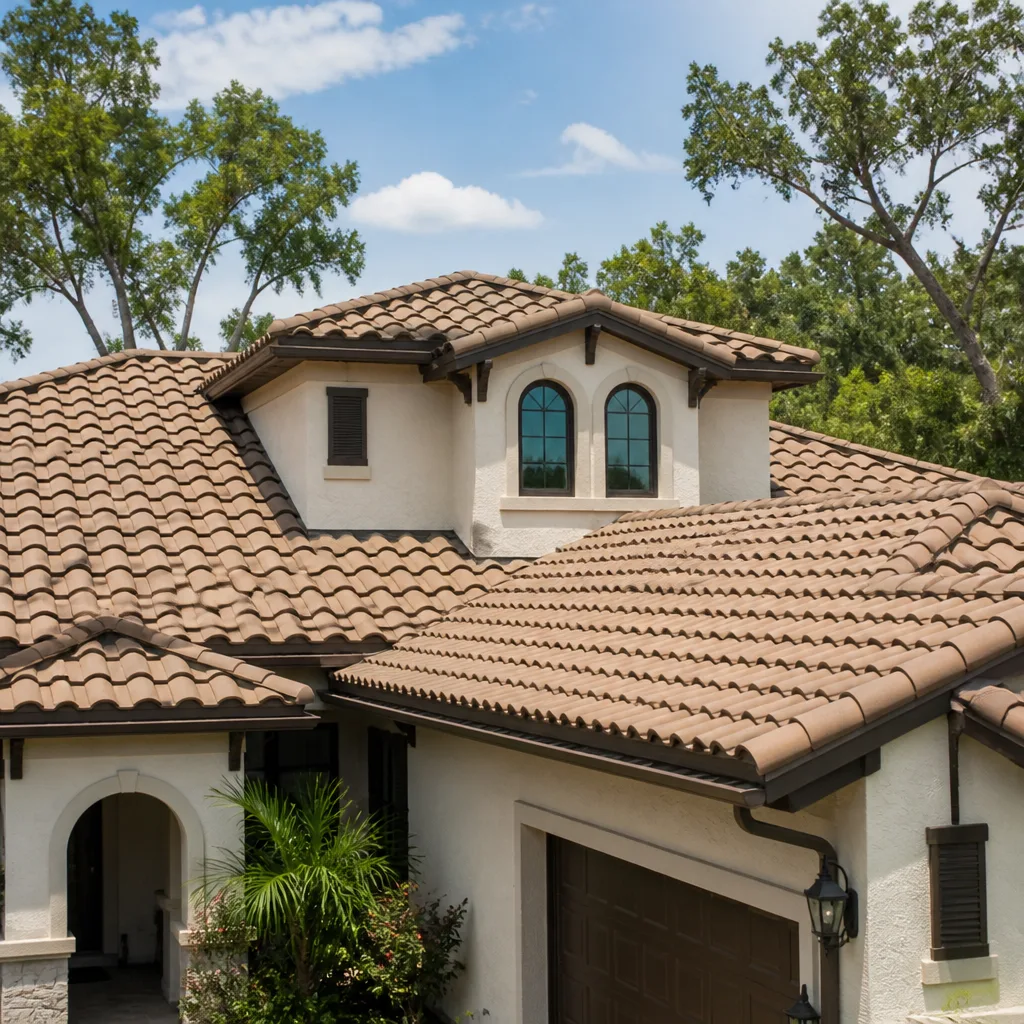 Tile roofing
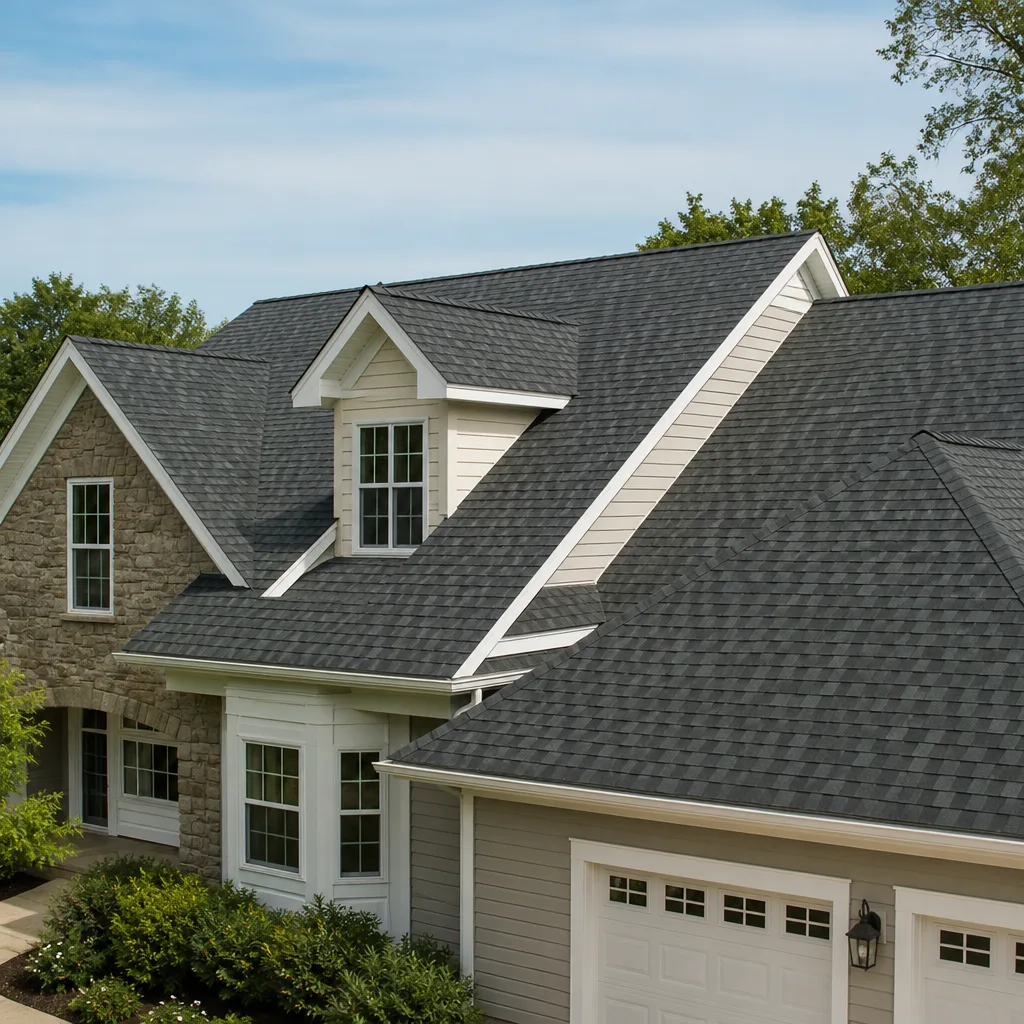 GAF
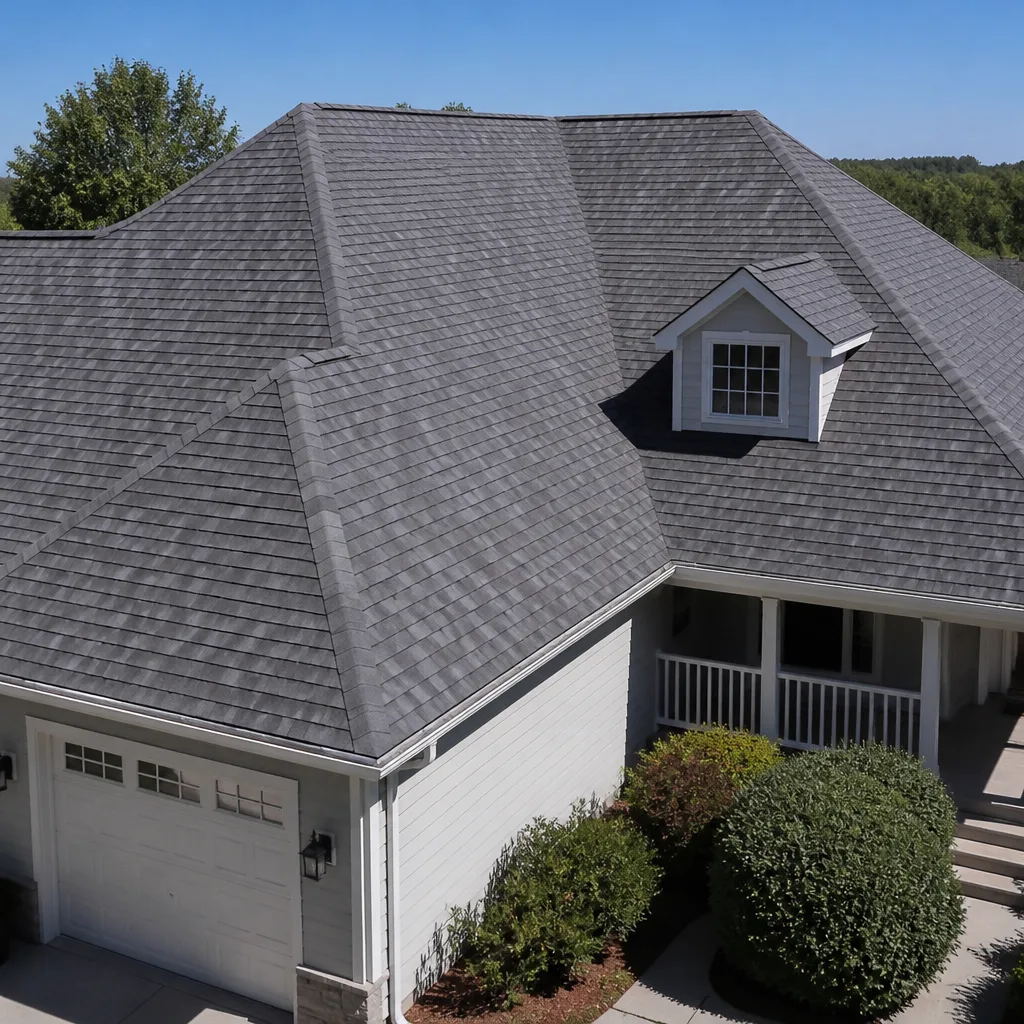 Owens Corning
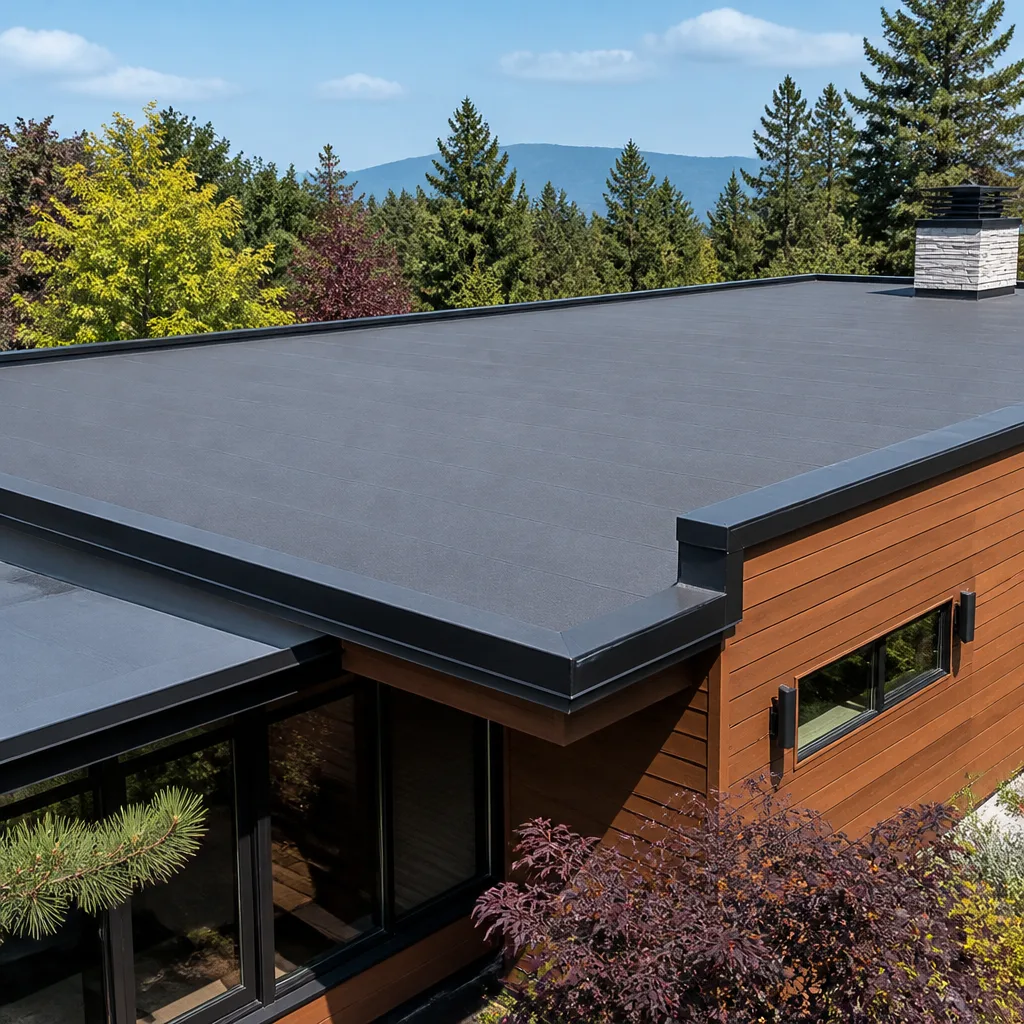 Flat & low-slope
Free roof inspection with deck photos before we talk money - GAF and Owens Corning certified installation
The Complete Guide to Roofing in Tustin
Here’s a fact most Tustin homeowners don’t hear until it’s too late: the majority of the city’s residential roofs were installed under underlayment standards that are now three code cycles obsolete. Homes built in the 1955 to 1980 boom used felt paper and fastening schedules that Title 24 has since replaced twice over. Those roofs aren’t aging gracefully. They’re performing on borrowed time. This guide maps every variable that actually matters for a Tustin roof, from the marine layer’s UV pattern to HOA material locks, so you can make a decision based on local reality instead of generic contractor talk.
Quick Answer
Roofing in Tustin comes down to three local variables: the construction era of your home, what your HOA will allow, and how the inland Orange County sun has already aged your current roof. Most Tustin roofs need replacement between 20 and 30 years, with steeper tile roofs in Tustin Ranch lasting longest and older composition shingle roofs in 1960s tract subdivisions reaching end of life sooner. Every decision should start with an inspection, not a sales pitch.
Styles & brands we work with
Table of Contents
- Why Your Home’s Construction Era Dictates Your Roofing Strategy
- Tustin HOA Material Restrictions and How to Navigate Them
- Inland Orange County’s UV and Thermal Cycling: What It Actually Does to Roofs
- How to Read Your Tustin Roof’s Permit History Before Signing Anything
- Re-Roofing Over Existing Layers in Tustin: What the Code Allows and What It Really Costs You
- Material Selection: Matching the Product to the Home, Not the Dealer
- Repair or Replace: A Decision Framework for Tustin Roofs
- What a Real Roof Inspection Actually Covers
Why Your Home’s Construction Era Dictates Your Roofing Strategy
Tustin isn’t one housing market. It’s at least four distinct ones, and each places different demands on a roof. The approach that works for a 1990s Tustin Ranch home is wrong for a 1962 ranch in the 92780 tract subdivisions, and vice versa. Understanding which era your home belongs to is the first step in any honest roofing conversation.
The 1960s tract subdivisions between Newport Ave and Red Hill Ave, along with pockets near Old Town, were built fast and to a price point. Original roofs here were almost always three-tab composition shingles over plywood or even spaced sheathing, with felt underlayment that was never designed for a 60-year service life. If your home in this era still has its second layer of shingles, it’s likely within five years of failure regardless of what the surface looks like from the curb. In our experience, homes in this bracket are the most common candidates for full replacement, and the condition of the decking underneath is the real variable. Plywood from this period often shows delamination at the edges near eaves, where decades of marine-layer moisture wicked under the shingle overhang.
Old Town Tustin brings its own complications. Homes from the 1920s through 1940s often have original rafter framing sized for wood shake or early composition products, not for modern concrete tile. That matters because switching material types isn’t always a clean swap. A clay tile or concrete tile roof weighs significantly more per square than architectural shingles, and older rafter spans weren’t engineered for that load. Any material change on an Old Town home should include a framing check before product selection even begins.
Tustin Ranch, built primarily from the late 1980s through the early 2000s, is where you find the city’s highest concentration of concrete tile roofs. These roofs are structural overachievers in some ways, but they have a different failure pattern. The tile itself rarely fails. What fails is the underlayment beneath it, which is invisible until water has already entered the roof deck. A Tustin Ranch tile roof at 25 to 30 years old can look perfect from the street while the paper underneath has turned to powder. If you own one of these homes, inspection is not optional; it’s the only way to know what you actually have.
The point is simple: your Tustin address puts you in a specific structural cohort with specific roof expectations. Anyone who gives you a roofing recommendation without first identifying which cohort you’re in is guessing.
Tustin HOA Material Restrictions and How to Navigate Them
If you live in a Tustin HOA community, which covers most of Tustin Ranch and many of the newer developments near The District, your roof material choices are constrained by CC&Rs before a single shingle gets priced. Ignoring this doesn’t just delay a project. It can cost you the price of a tear-off if the HOA rejects the installed product.
The most common Tustin HOA restrictions we encounter are:
- Concrete tile or clay tile mandates in Tustin Ranch communities, where the original builder spec locked the aesthetic for architectural consistency. If your home has tile, the HOA generally requires replacement in kind or an approved tile alternative, not a conversion to shingles.
- Color palette locks that restrict you to a narrow band of earth tones, usually specified by the original developer. A homeowner might prefer a darker architectural shingle for heat absorption, but if the HOA’s approved list is capped at three specific color blends, that’s the box you work within.
- Underlayment and profile requirements that go beyond building code. Some Tustin HOAs specify minimum shingle weight or minimum tile weight for replacements to ensure visual consistency across the community.
- Solar restrictions that affect how far mounted panels can extend above the tile profile, which has a knock-on effect on flashing details.
Here’s the process that actually works when you need a variance or an approved substitution:
- Request the architectural review documents first. Don’t rely on a neighbor’s summary. Get the current CC&R roof section and the HOA’s approved materials list from the management company. Requirements change, and older documents are sometimes superseded.
- Identify the specific section that applies before choosing products. The language that governs repairs is sometimes different from the language that governs full replacement. Don’t assume they’re the same.
- Prepare a comparative submittal. If you want a product that isn’t on the approved list, submit it with a side-by-side comparison against an approved product: profile, color, weight, fire rating, warranty term. HOAs are far more likely to approve a substitution when the request reads as “equal or better” rather than “different.”
- Get conditional approval in writing before signing a roofing contract. Verbal sign-off from an HOA board member is not approval. If the board later disputes the product, you need paper.
- Build the HOA timeline into your project schedule. Architectural review can take 30 to 60 days in some Tustin communities. The contractor who knows this will sequence material ordering and permitting around it rather than letting it stall the job.
We’ve seen homeowners start with the roof product they like and then discover the HOA process halfway through. That’s the expensive order. Start with the CC&R, then the product, then the contract. It feels slower, and it’s faster.
Inland Orange County’s UV and Thermal Cycling: What It Actually Does to Roofs
Tustin sits far enough inland that it doesn’t get the coastal temperature moderation of Newport Beach or Costa Mesa, but close enough that marine-layer mornings still deposit moisture several months a year. That combination is what wears roofs. Call it the Orang County inland thermal cycle: damp, overcast starts to the day, then sharp UV exposure and heat by early afternoon. The roof surface expands and contracts through a wider daily range than coastal roofs do, and that flexing is what kills roofing materials over time.
For composition shingles, the primary degradation vector in Tustin is granule loss from UV embrittlement. Once the asphalt layer starts oxidizing, the shingle loses flexibility. The daily thermal expansion from Tustin’s hot afternoons to relatively cool evenings then causes micro-cracking at the shingle edges. This is why a 15-year-old architectural shingle in Tustin often looks worse than the same product does at 15 years in a coastal zip code, even though the coastal home sees more salt air. The UV load is the difference.
For concrete tile, the UV doesn’t directly break the tile. It degrades the underlayment beneath it through sustained heat exposure and the attendant drying cycle. Each hot afternoon bakes moisture out of the paper or synthetic underlayment. Each marine-layer morning reintroduces it. That wet-dry cycling breaks down the underlayment’s fiber structure years before anything looks wrong from the street.
For wood shake and shingle roofs, which you still find on some older Tustin homes, the thermal pattern is a secondary concern to the moisture itself. Morning marine-layer moisture soaks into the wood. Afternoon heat drives it back out. That cycle promotes checking and splitting, which opens more surface area to moisture, which accelerates the process. A wood roof in Tustin at 25 years is, in most cases, a roof that should have been replaced five years ago.
The practical takeaway is that material matters in this specific climate. A lightweight, economy-grade three-tab shingle with minimal UV stabilizers will fail measurably faster in Tustin than a premium architectural shingle with heavier granule embedment and better asphalt formulation. Every product in the GAF, CertainTeed, Owens Corning, and IKO lineups has products at both ends of that spectrum. Matching the product grade to the thermal reality of your specific Tustin location is where a brand-agnostic recommendation matters.
How to Read Your Tustin Roof’s Permit History Before Signing Anything
Tustin maintains building permit records that tell you, with reasonable accuracy, how many times your roof has been worked on, when, and under what code version. Most homeowners never look. That’s a mistake, because the permit history often reveals whether your roof already has a second layer, whether any past repairs were inspected, and what material was originally installed.
The search takes ten minutes. Here’s the sequence:
- Go to the City of Tustin’s building permit portal. The city’s online records system allows property-specific searches by address. If the online database doesn’t return what you need, the Building Division at City Hall can provide copies of old permits on request.
- Cross-reference dates against major code changes. A roof permitted in 1975 was built under a different underlayment and fastening standard than one permitted in 2005 or 2023. The code version matters more than the calendar age alone.
- Look for re-roof permits specifically. In California, a re-roof over existing shingles is a distinct permit type. If you see a re-roof permit, you know you have a second layer, which changes the math on your next replacement.
- Check for repair permits that were never closed. An open permit on your roof is a disclosure issue at sale and sometimes a red flag about the previous contractor’s process.
- Compare the permit’s listed material against what’s actually on the roof. If the permit says 30-year composition shingle and the roof is holding concrete tile, someone did unpermitted work at some point. You want to know that before you inherit the liability.
This is also the fastest way to short-circuit a dishonest estimate. When a contractor tells you what your roof needs and the permit history contradicts their story, you’ve just learned something about that contractor. When the permit history aligns with what you’re hearing, you have a baseline of trust. Bellwether Roof Repair’s Roof Inspection in Yorba Linda process follows this same permit-first sequence, adapted for the same Orange County building environment.
Re-Roofing Over Existing Layers in Tustin: What the Code Allows and What It Really Costs You
California building code allows a second layer of composition shingles over an existing single layer in certain circumstances. It’s legal in parts of Tustin, and it’s cheaper upfront because you skip the tear-off. No contractor who explains their work properly will present overlay as a simple win without the tradeoffs.
Here’s the problem with overlays, stated plainly. When you leave the old shingles in place, you can’t see the decking underneath. You can’t inspect for wood rot at the eaves. You can’t verify that the original fasteners are still holding. You can’t check for the kind of deck failure that shows up as soft spots once the old shingles come off. You’re buying a new roof surface on top of a substrate you’re flying blind on.
The second issue is weight and heat. A second layer of shingles makes the roof system heavier and slightly less capable of shedding heat, which shortens the life of the new shingles compared to the same product installed over a clean deck. The manufacturer’s warranty on most products from GAF, Owens Corning, and others assumes a specific installation condition. Installing over an existing layer can void or reduce that warranty depending on the manufacturer and product line.
And there’s the lifespan math. An overlay roof typically lasts 15 to 18 years versus 25 to 30 for a full tear-off and replacement. So the cheaper option isn’t actually cheaper over time. It’s cheaper this year and more expensive per year of service.
That said, there are narrow cases where an overlay is a rational choice: a home you know you’ll sell within five years, a roof deck that was recently replaced and is in documented good condition, or a budget that simply cannot absorb a full tear-off right now. What matters is that the choice is made with the full picture. Most Tustin homeowners in this position should assess the existing roof through an Roof Repair in Yorba Linda or full-replacement lens before settling for an overlay by default.
Material Selection: Matching the Product to the Home, Not the Dealer
Most roofing companies are dealer-centric. They carry one manufacturer’s line, and every estimate is built around that product set. The conversation becomes less about what your roof needs and more about which color of that one brand you prefer. That’s not product selection. That’s inventory rationalization.
At Bellwether Roof Repair, we install across seven manufacturers: GAF, CertainTeed, Owens Corning, IKO, Atlas, Tamko, and Boral. That’s not a talking point. It’s a structural difference in how we talk about roofing. When you have access to multiple product lines, the conversation starts with the home’s actual requirements, not with whichever brand happens to be in the warehouse.
What does that look like in practice? A Tustin Ranch tile roof in a community that mandates a specific tile profile might be best served by a Boral lightweight tile that matches the existing aesthetic while reducing the load on the rafter system. A 1960s tract home with a composition shingle roof might be best matched with a CertainTeed or Owens Corning architectural shingle whose wind rating and granule formulation suit the inland thermal cycle. A homeowner who wants the absolute longest warranty at a mid-tier price might be best served by GAF’s Timberline line. A budget-constrained homeowner who still wants a 30-year product might be pointed toward IKO’s architectural options. The point isn’t any single brand. The point is that the recommendation is driven by the roof’s needs, not the dealer’s margin.
There are genuinely good products across all of these lines. There are also products we’d never recommend for a Tustin roof because they’re designed for a different climate or a different building type. Seven manufacturers, one standard is how we describe it. The standard is what the home needs. The manufacturer is just who happens to make that product well.
If you’re comparing estimates, ask the contractor how many manufacturers they install. If the answer is one, understand that every material recommendation you receive is constrained by that dealership agreement. That doesn’t mean the recommendation is wrong. It means the recommendation wasn’t made against the full universe of options.
Repair or Replace: A Decision Framework for Tustin Roofs
The hardest decision in roofing isn’t which shingle to buy. It’s whether to repair what you have or replace it entirely. Our DIY vs Professional Roofing: The Tustin Homeowner’s Decision Guide walks through how to think through that choice. Roofing is all we do, and the question comes up on nearly every Tustin inspection, so we’ll lay out the framework we use.
Start with age. If your roof is past 20 years old and the issue involves shingle or tile integrity, the repair likely buys you two to four years at most. That’s not always bad. If you’re planning to sell in two years, a $1,200 repair might be the right financial call. But if you’re staying in the home, every dollar spent on repair is a dollar that won’t go toward the replacement you’ll eventually need anyway.
Then look at the failure pattern. Isolated damage, like a storm-torn section or a pipe boot that failed early, is usually a repair. Widespread granule loss, curling shingle edges across multiple roof faces, or moisture penetration in more than one location points toward replacement. The distinction matters because a new shingle on an aging roof creates a patchwork that fails unevenly and looks like a patchwork.
The underlayment is the hidden variable. On a tile roof, the tile can look fine while the underlayment beneath it is degrading. On a shingle roof, underlayment failure often shows up as leaks even when the shingles look serviceable. You can’t see underlayment from the ground. This is why we inspect before we recommend. A visual assessment from a ladder tells you the surface condition. A proper inspection with attic access and specific leak testing tells you what’s happening underneath.
The honest rule: repair when repair is right, replace when replace is right. But you can only know which is right with an objective baseline. If a contractor gives you a replacement recommendation without having inspected the attic, the underlayment, and the decking condition, they’re guessing at your expense. Our Roof Replacement in Yorba Linda service is built to be the answer only when replacement is actually the answer, not as a default.
What a Real Roof Inspection Actually Covers
Inspection is the foundation of every smart roofing decision in Tustin. But not all inspections are equal, and if you’ve never had one done properly, you don’t know what you’re missing. Here’s what a legitimate roofing inspection should cover, in order:
- Exterior surface assessment from the roof itself, not from the ground. A walkover identifies granule loss, cracked or slipped tile, lifted shingle corners, and impact damage that a drone photo can’t reveal.
- Pipe boots, flashing, and penetrations. These are the most common leak sources on Tustin roofs. A cracked pipe boot can leak for years before it shows on the ceiling. Chimney flashing, skylight flashing, and valley metal all need direct visual inspection, not just a glance.
- Attic ventilation check. Poor ventilation accelerates shingle aging from below and is a major factor in Tustin’s hot summers. A proper inspection checks intake and exhaust balance, not just whether there are vents.
- Attic-side leak detection. Water staining on the underside of the decking, dark discoloration around fasteners, and damp insulation are all evidence of active or past penetration that the exterior view alone won’t show.
- Decking condition assessment from the attic side where accessible. Soft spots, delamination, and rot at the eaves are the most expensive hidden conditions in any Tustin replacement.
- Documentation. A legitimate inspection produces notes, photos, and a written condition assessment, not a verbal summary. That document becomes your baseline for evaluating repair bids and replacement quotes.
At Bellwether Roof Repair, inspection is a standalone service, not a loss leader for a replacement pitch. That’s the whole point of offering it separately. The inspection tells you what you actually have, whether that’s a roof in good shape or one that needs work. If the finding is a roof in good shape, we’ll tell you that and leave. If the finding is a problem, you’ll have the documentation to evaluate every quote against the same baseline.
Common Mistakes to Avoid
- Choosing a material before understanding the HOA’s constraints. Tustin’s HOA communities hold real power over your roof. The time to discover a material restriction is before you contract, not after the product is ordered.
- Assuming a tile roof is fine because the tile looks fine from the street. In Tustin Ranch especially, underlayment failure is invisible until it’s expensive. Tile condition is not a proxy for roof condition.
- Re-roofing over an existing layer without understanding the tradeoffs. It’s legal in some Tustin cases, but it compresses the lifespan of the new roof and blinds you to the deck condition underneath.
- Signing a contract without pulling the permit history. Ten minutes of research tells you whether the roof you’re about to replace has a hidden second layer, an open permit, or a history of unpermitted work.
- Taking a replacement recommendation without an attic-side inspection. A contractor who never enters the attic can’t assess underlayment, ventilation, or decking. Their recommendation is half-informed no matter how confident it sounds.
- Paying for premium shingles but skipping ventilation work. In Tustin’s thermal cycle, poor ventilation will age a premium product to the timeline of a cheap one. The ventilation budget is not optional.
- Assuming the cheapest bid and the highest bid are the same scope. They rarely are. A lower price usually means overlay instead of tear-off, no permit, no ventilation scope, or a product downgrade. Compare scope before price.
See the difference
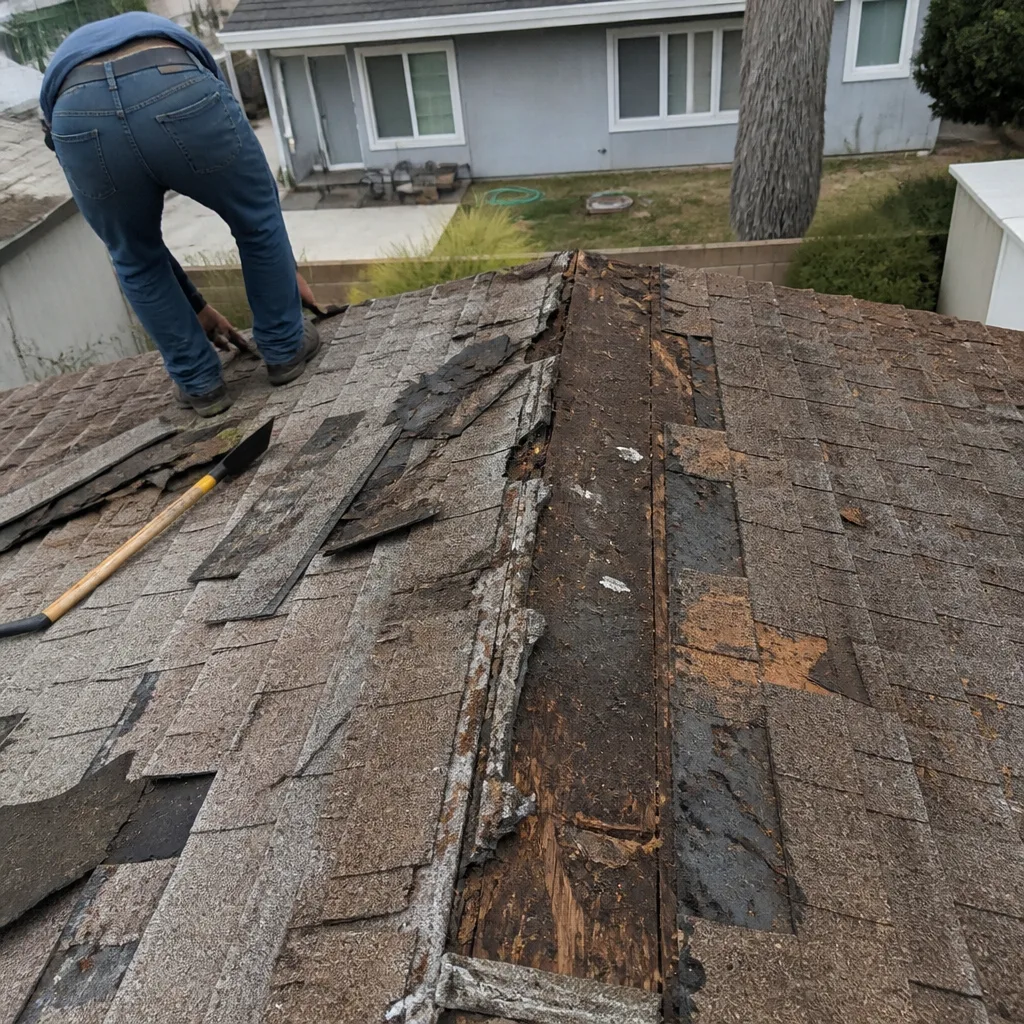 Before
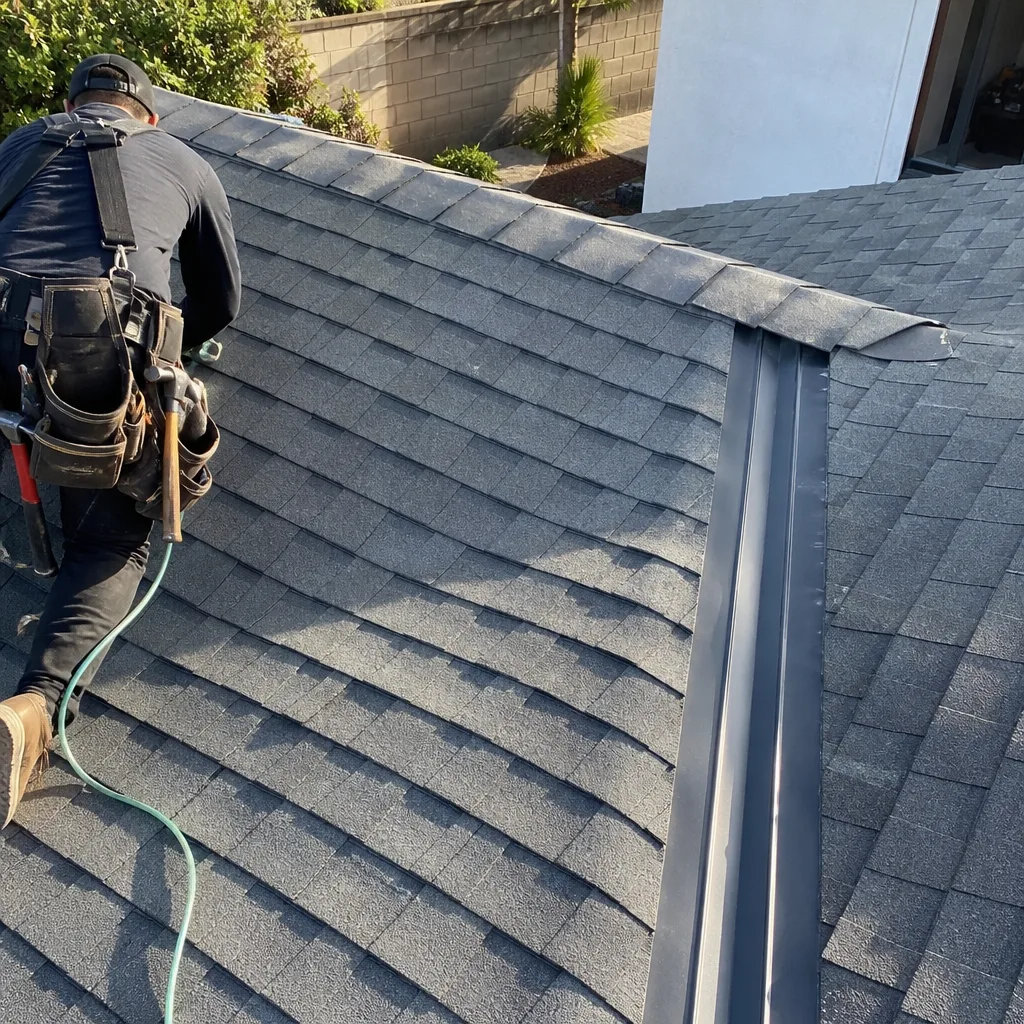 After
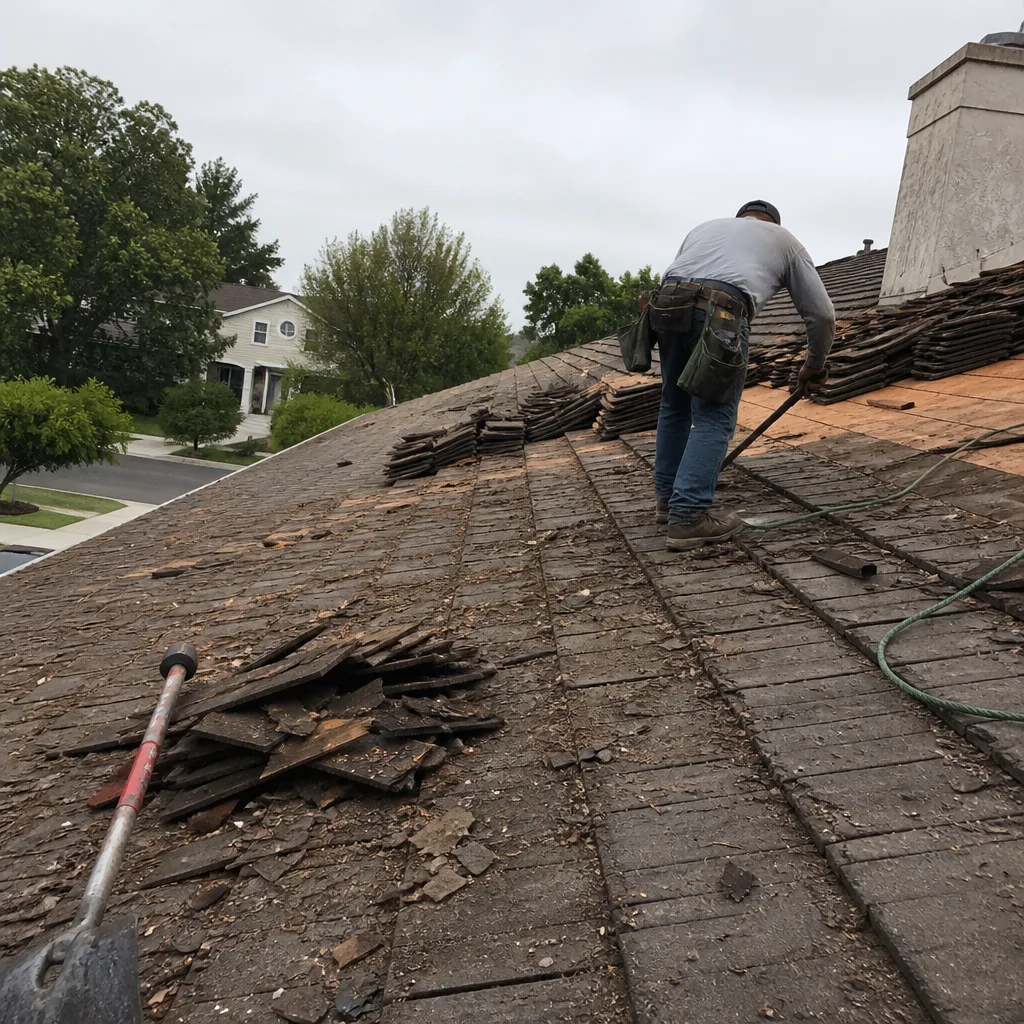 Before
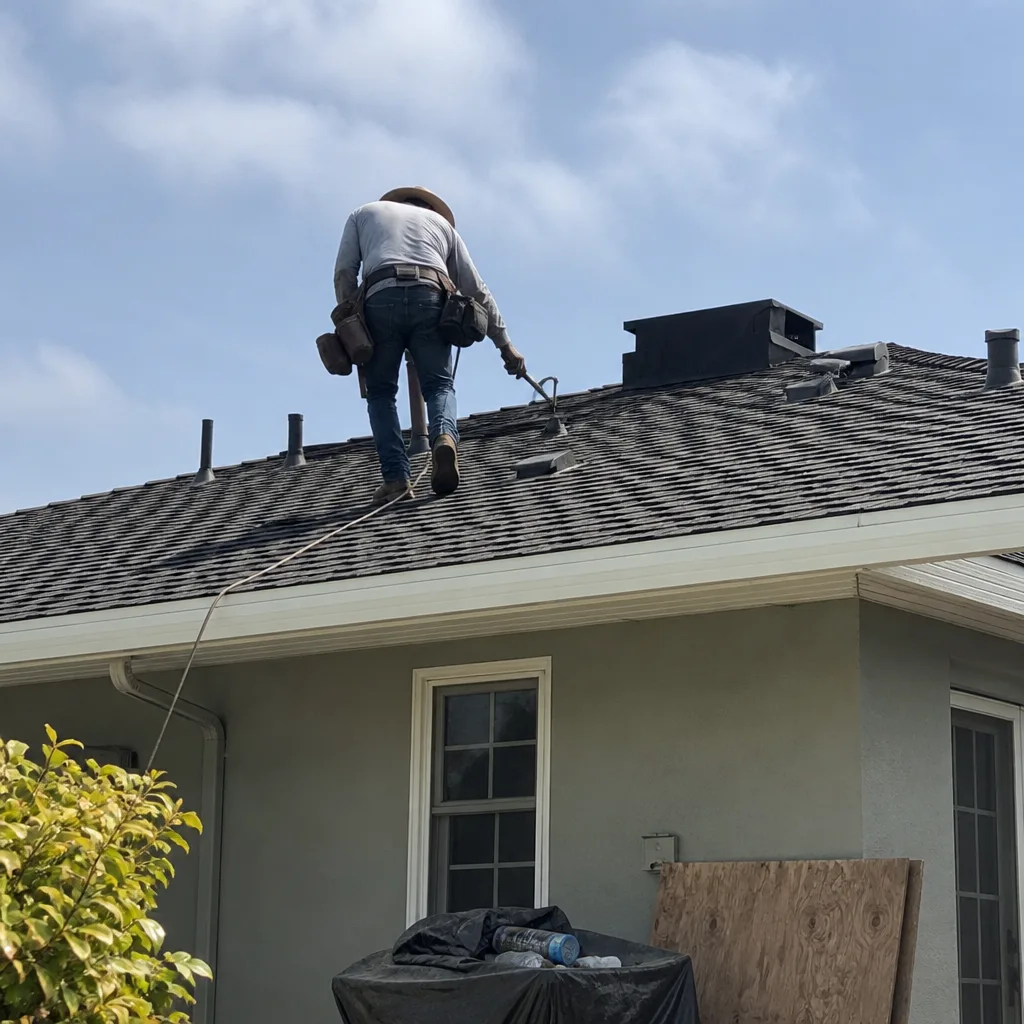 After
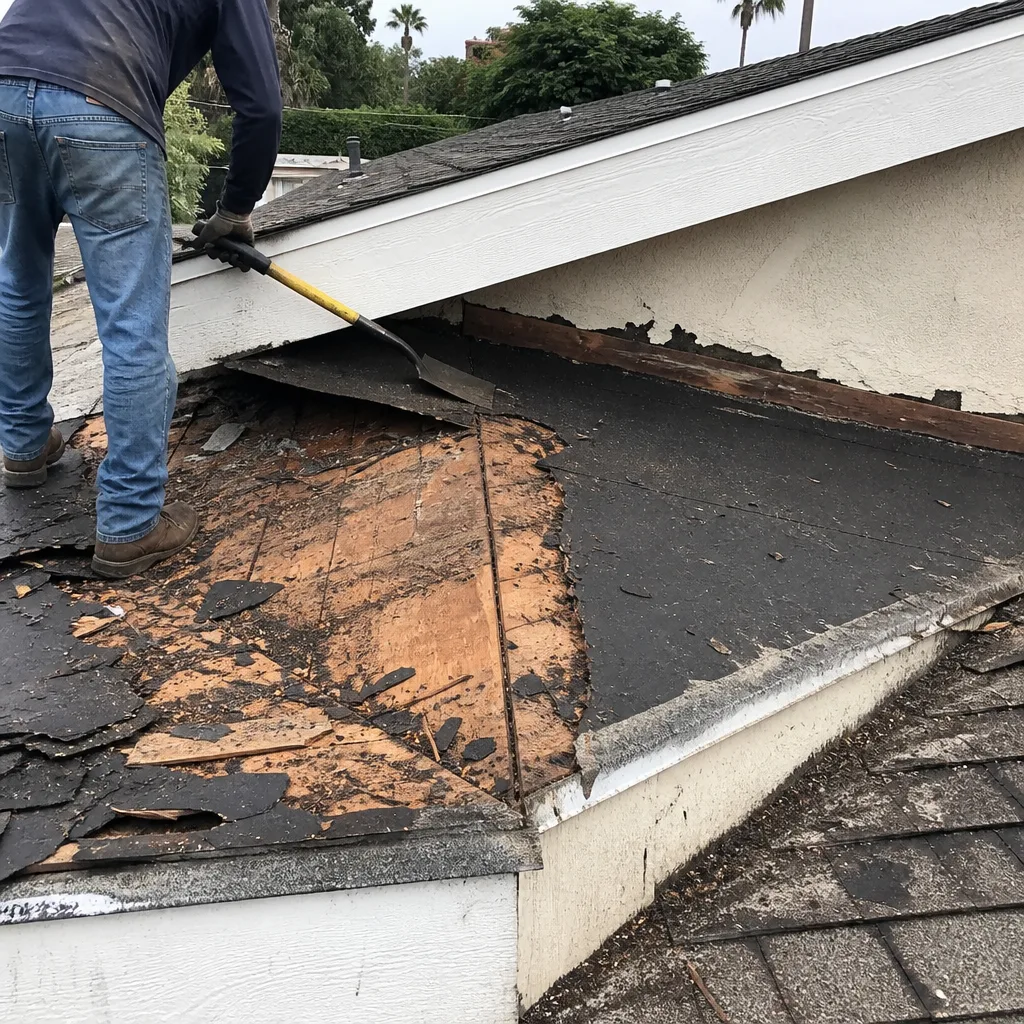 Before
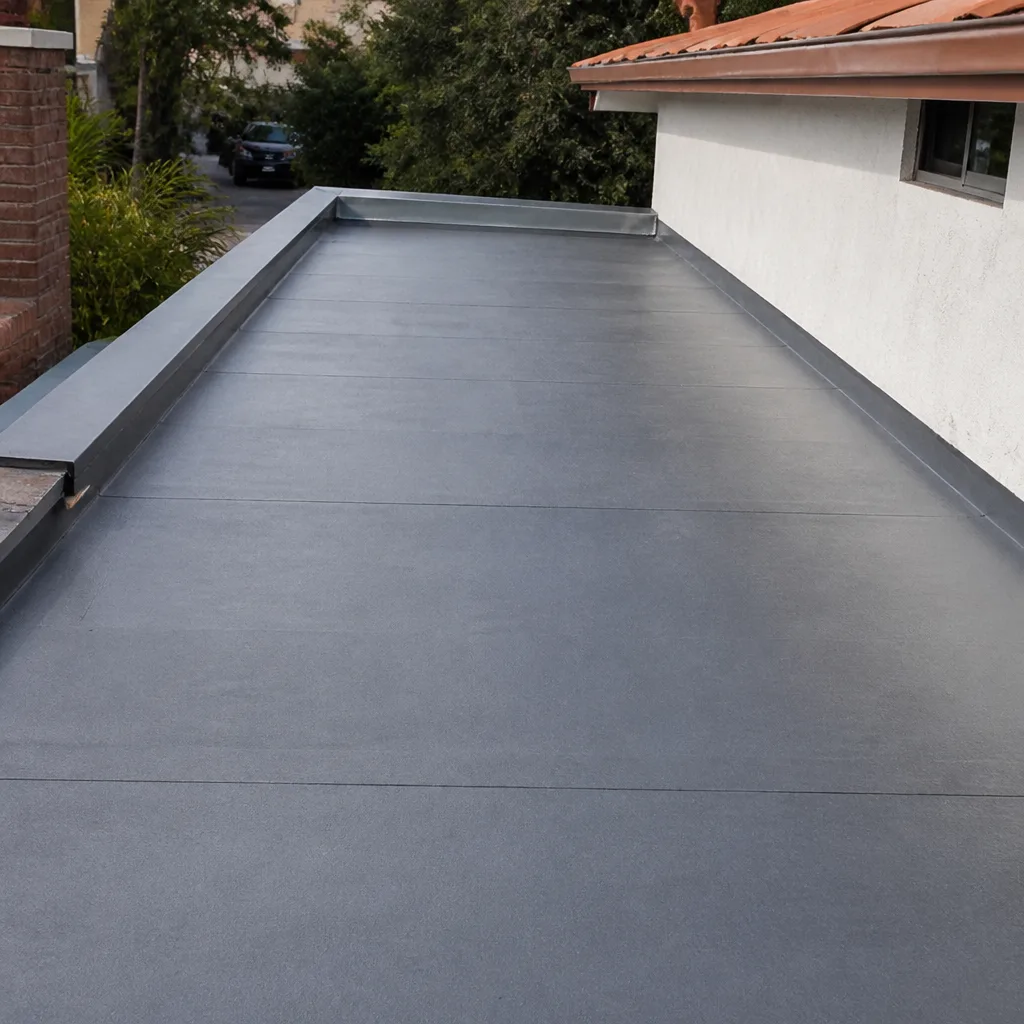 After
When to Call a Professional
You should call a roofing contractor when you see water staining on a ceiling, when shingle granules are collecting in your gutters, when the roof is past 20 years old and hasn’t been inspected, or when you’re planning to sell and need a condition baseline. Not sure how to choose one? Read How to Hire a Roofing Contractor in Tustin: A Step-by-Step Guide first. You should also call after any significant wind event if you have visible lifted shingles or scattered tile. Roofing problems in Tustin compound quietly, and the cost of a ceiling stain is usually the last cost, not the first. Bellwether Roof Repair offers free estimates in Tustin. Call (833) 824-0047 and we’ll start with the inspection, not the sales pitch.
Frequently Asked Questions
In Tustin’s inland thermal climate, a well-installed architectural shingle roof typically lasts 22 to 28 years, while concrete tile roofs can last 30 to 50 years with underlayment replacement at the 25-year mark. The actual number depends on ventilation, product grade, installation quality, and whether the roof has one layer or two. Call (833) 824-0047 for an inspection that gives you an honest read on how much life your specific roof has left.
Concrete tile dominates in Tustin Ranch and newer developments, while composition shingles are common in 1960s and 1970s tract homes around Old Town. Clay tile appears in some custom homes, and wood shake still exists on a handful of pre-1960 properties. The right material for your home depends on your HOA’s requirements and your roof’s structural capacity.
In most Tustin planned communities, yes. CC&Rs commonly lock in specific tile profiles, color palettes, and minimum product weights for replacements. You need architectural review before signing a roofing contract, not after. Variance requests are possible and succeed most often when submitted as “equal or better” comparisons against an approved product.
California code and the City of Tustin allow a second layer over existing composition shingles in specific cases, usually when the existing roof is a single layer in sound condition. It’s legal but it shortens the new roof’s lifespan and prevents deck inspection at the time of installation. We explain the tradeoffs fully before any overlay discussion, and we recommend tear-off in most long-term ownership situations.
Tustin roof replacements typically run $18,000 to $45,000 for a standard single-family home, with tile replacements running higher than shingle replacements. The spread is driven by material choice, tear-off cost, decking condition, roof complexity, and HOA requirements. The only way to get an accurate number is an inspection that establishes condition and scope. Call (833) 824-0047 for a line-item estimate built from a real assessment, not a square-footage guess.
Yes. The City of Tustin requires a building permit for roof replacement and for most re-roof work. The permit requires the contractor to meet current Title 24 energy standards, which often include specific underlayment and ventilation requirements. A contractor who suggests skipping the permit is putting you at disclosure and insurance risk at resale.
The Bottom Line
Tustin roofing decisions come down to four questions: what era was your home built in, what does your HOA require, what’s the actual condition beneath the surface, and which product matches the home’s structural and climate reality. Get those four answers right and the decision makes itself. Get them wrong and every dollar spent is a bet against your own building. Start with an inspection, read the permit history, respect the HOA process, and match the product to the need. Roofing is all we do, and the way we do it is the way this guide describes. See our Bellwether Roof Repair home page for more on how we work, and call (833) 824-0047 to schedule a free estimate in Tustin.
Written by the team at Bellwether Roof Repair, serving Tustin since 2018. Explore more guides & resources on Tustin roofing.