
Last updated October 31, 2026
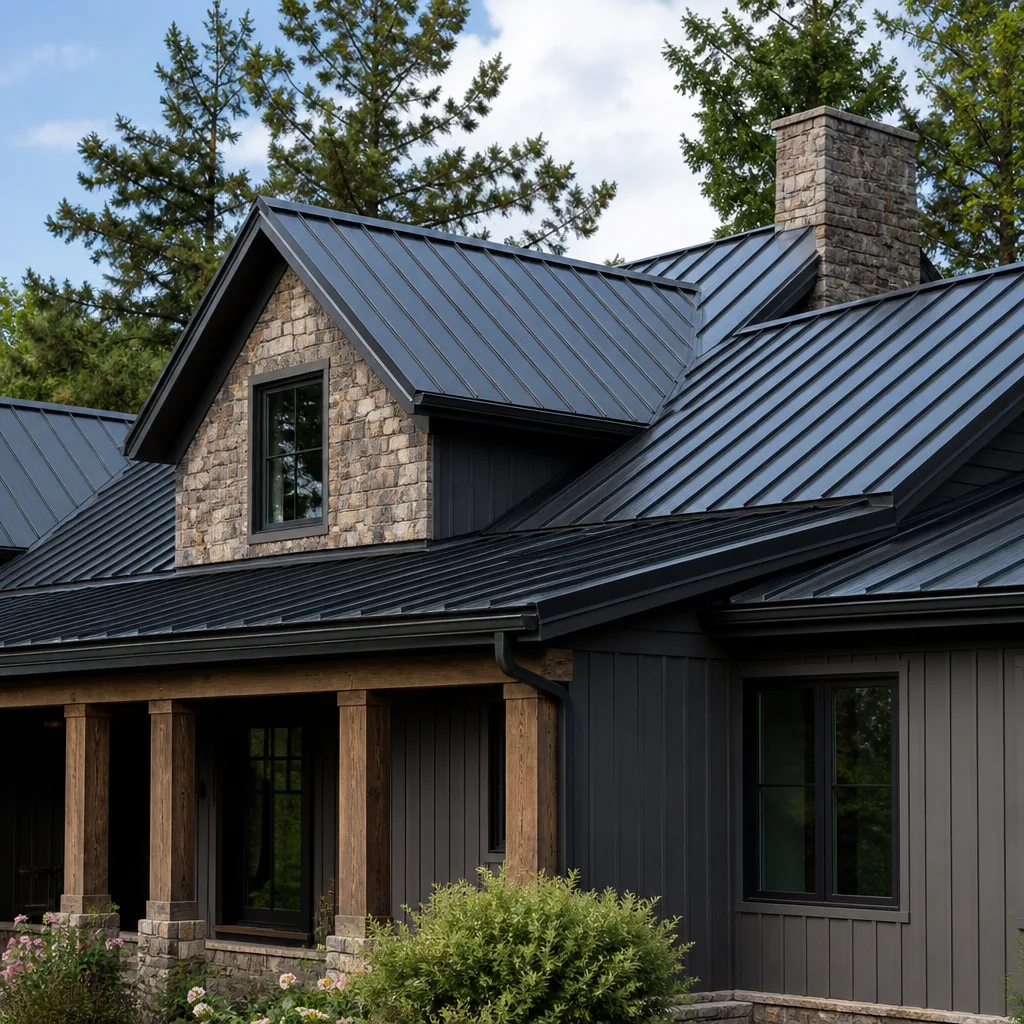 Metal roofing
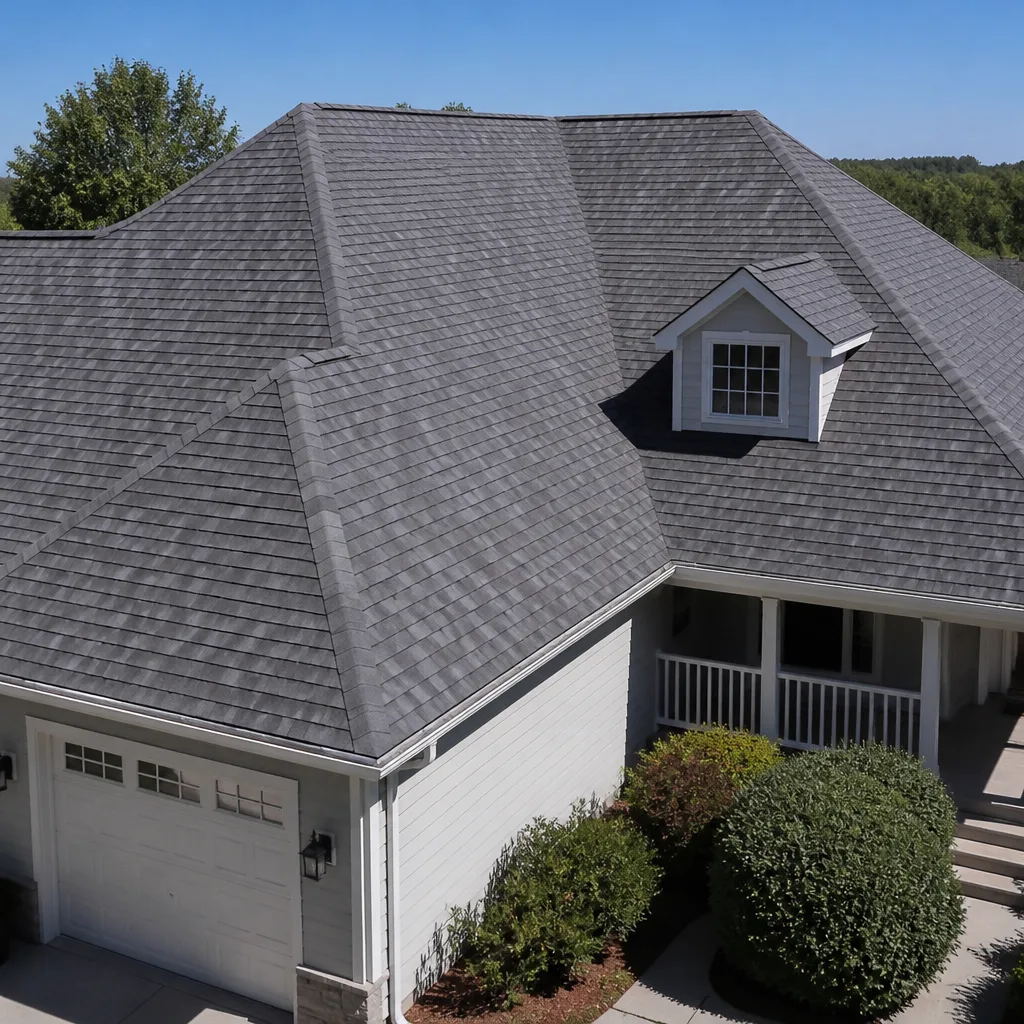
 Architectural shingles
 Tile roofing
 GAF
 Owens Corning
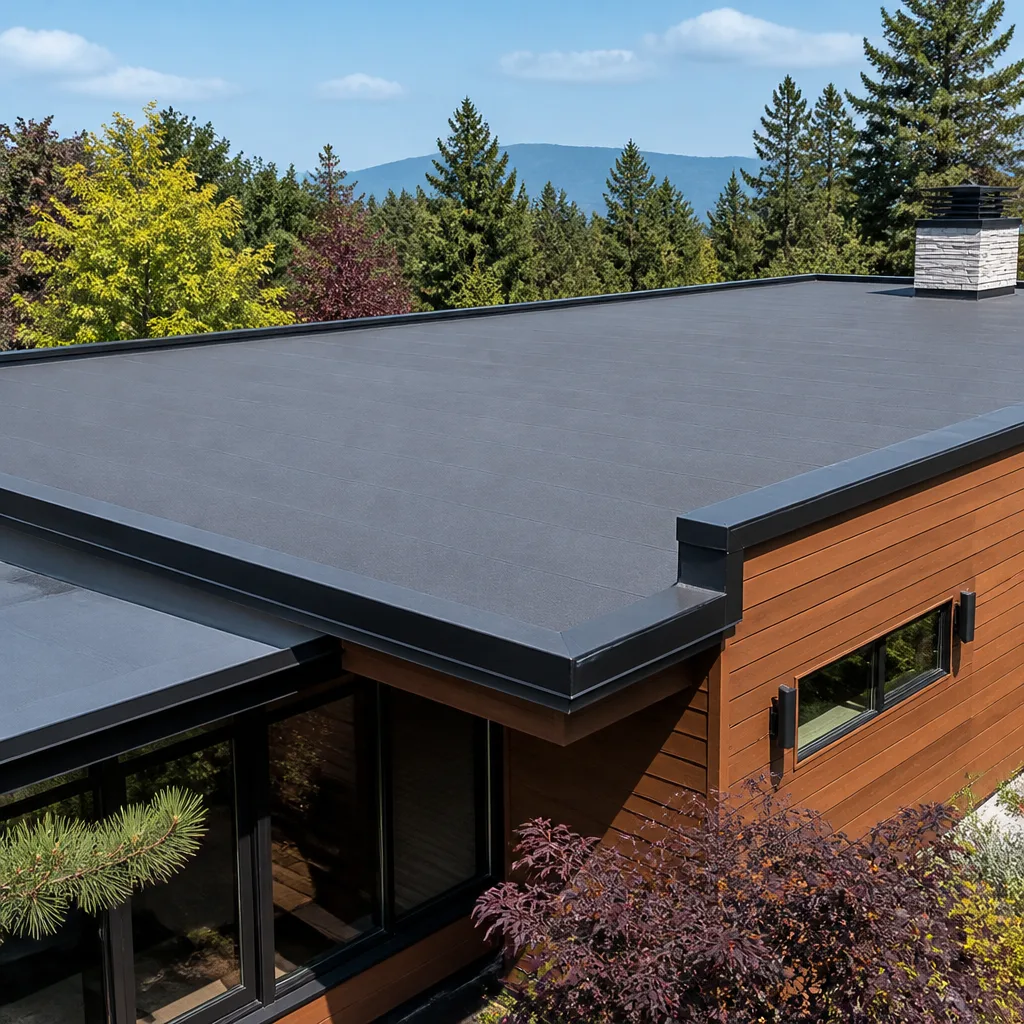 Flat & low-slope
Free roof inspection with deck photos before we talk money - GAF and Owens Corning certified installation
How to Hire a Roofing Contractor in Tustin: A Step-by-Step Guide
After every significant rain event in Orange County, contractor registrations in the roofing category spike. Many of these are out-of-area operators who will be unreachable for warranty service within 18 months. Tustin homeowners face a specific challenge: the local market is crowded with two contractor archetypes that look legitimate on paper but fail in practice. This guide walks through the verification steps, bid-sheet analysis, and credential checks that expose both types before you sign anything, and you can find more guides & resources on our blog.
Quick Answer
To hire a roofing contractor in Tustin, verify their California State License Board (CSLB) status and workers’ comp coverage online, confirm they pull permits through the Tustin building department, demand a line-item bid that names specific underlayment and flashing materials, and require proof of manufacturer certification for the shingle brand being installed. Skip any contractor who knocks on your door after a storm or cannot produce a physical Tustin or Orange County business address within 18 months of operation.
Styles & brands we work with
Table of Contents
- Step 1: Verify the CSLB License, Bond, and Workers’ Comp in One Workflow
- Step 2: Filter Out Storm Chasers Before They Waste Your Time
- Step 3: Identify General Contractors Who Subcontract Roof Work
- Step 4: Read the Bid Sheet for Tustin Code Compliance
- Step 5: Check Manufacturer Certifications That Actually Matter
- Step 6: Use the Tustin Permit Lookup to Confirm They Pull Permits
- Step 7: Ask These Questions Before Signing
Step 1: Verify the CSLB License, Bond, and Workers’ Comp in One Workflow
The California State License Board website is the single most underused tool in Tustin roofing decisions. Homeowners skip it because it feels bureaucratic, but the whole verification takes under ten minutes and catches more bad contractors than any other single check. Here’s the workflow we recommend to every Tustin homeowner who calls us after a bad experience with another contractor.
Start at the CSLB license lookup page and enter the contractor’s license number. Confirm three things in this order:
- License status is “Active” – not “Suspended,” “Expired,” or “Revoked.” A suspended license often means a failed bond or an unresolved complaint. Do not accept verbal explanations for a suspended status.
- The bond has no gaps in coverage history. Click into the bond detail and look at the bond effective dates. Contractors sometimes let their bond lapse between renewals. A continuity gap means there was a period when the contractor was operating without the required $25,000 contractor’s bond. That gap is a red flag for financial instability.
- Workers’ compensation insurance is listed as active. If the contractor has employees and no workers’ comp, you inherit liability if a roofer falls on your Tustin property. If the contractor claims to have no employees, ask who will be on the roof. A “solo operator” roofer who shows up with a crew of four has lied about their structure.
One more check: look at the license’s original issue date. A license issued six months ago with an address in another state or in a warehouse district in Anaheim or Santa Ana is a pattern we’ve seen repeatedly after Orange County storm seasons. A contractor who has held an active California license for years and lists a verifiable Tustin or surrounding Orange County address is operating from a position of stability, not expedience.
Step 2: Filter Out Storm Chasers Before They Waste Your Time
Storm chasers follow a predictable playbook in Tustin. They register a California contractor’s license after a major rain or wind event, rent a small office space or use a virtual address, canvass neighborhoods with door knockers, and sign as many contracts as possible before the leads dry up. Within 12 to 18 months, the phone number stops working and the warranty is worthless.
You can identify a storm chaser before they ever step onto your property by applying these filters:
- Door-to-door solicitation after a storm. Legitimate Tustin roofing contractors do not need to knock on doors after rain events. They have a backlog. A knock on your door within days of a storm is the single strongest predictor that the person standing there is operating on seasonal volume, not local reputation.
- No physical Tustin or Orange County address. Ask for the street address of their office. Then check it on a map. A virtual office in an Irvine or Santa Ana business park is not a roofing company. A roofer’s yard has material storage, trucks, and often visible roof tear-off debris in a dumpster.
- Out-of-state license plates on work vehicles. The CSLB issued the license, but the operation is based in Texas, Florida, or Ohio. They follow storms. Their warranty support follows them, and that means it does not follow you.
- Pressure to sign “today for storm pricing.” Storm chasers create artificial urgency because their window of profitable operation in one market is short. A Tustin roofing contractor who plans to exist next year does not care whether you sign today or next Tuesday.
The fastest way to end a storm-chaser conversation: ask for their CSLB license number, their physical office address, and the name of their workers’ comp carrier. Then say you’ll verify those details and call them back. A legitimate contractor will say “no problem.” A storm chaser will visibly deflate.
Step 3: Identify General Contractors Who Subcontract Roof Work
The second archetype dominant in the Tustin market is the general contractor who advertises roofing among a list of other trades: kitchen remodels, bathroom renovations, room additions, siding, windows, and oh yes, roofs. These operators do not have roofing crews. They have a rolodex of subcontractors, and the quality of your roof depends entirely on which sub they happen to schedule.
Here’s what to look for:
- The website offers unrelated services. If the site lists plumbing, electrical, or interior remodeling alongside roofing, keep looking. Roofing is a specialized trade with its own material specifications, code requirements, and safety protocols. A company doing kitchen renovations on Tuesday is not the company you want installing flashing on Wednesday.
- The estimator cannot answer material-specific questions. Ask what underlayment they specify for a Tustin home in an area with wildfire exposure. Ask about the fastening pattern for high-wind zones. A general contractor fumbles these questions. A roofing specialist answers them without hesitation because the answer is part of their daily work.
- The contract has no named crew. Ask who will be on the roof on installation day. If the answer is “our guys” without names or the disclosure that the work is subcontracted, you are paying a markup for someone else’s labor with no control over who actually shows up.
We repair roofs in Tustin and neighboring Orange County cities that were installed by subcontractors the homeowner never met. Roofing is all we do. There is no scenario where a homeowner benefits from paying a general contractor to manage a roofing sub when they could hire a roofing specialist directly and hold that specialist accountable.
Step 4: Read the Bid Sheet for Tustin Code Compliance
Most Tustin homeowners compare bids by looking at the bottom line. That is a mistake. The line items above the total are where contractors cut corners invisibly, and the specific materials named in those line items determine whether your roof survives the next decade or fails early.
Here are the line items that matter and what they should say:
- Underlayment type and brand. The bid should name a specific product, not “synthetic underlayment” or “felt.” Tustin’s climate and fire risk call for a high-grade synthetic underlayment that holds up to UV exposure and resists tearing during installation. If the bid says “as per code” without naming the product, ask for the specific product name. Some contractors use the cheapest code-compliant felt they can find and pocket the difference.
- Flashing details. Every penetration – chimneys, skylights, vents, wall intersections – requires flashing. The bid should specify the flashing material (galvanized steel, aluminum, or copper) and where it will be installed. “Flashing as needed” is a blank check for the contractor to decide what “needed” means on installation day.
- Drip edge specification. Drip edge is the metal strip along roof edges that directs water into gutters instead of behind the fascia. Tustin’s rainy seasons are intermittent but intense. A bid that omits drip edge or lists it as an optional add-on is telling you something about how the contractor approaches the job.
- Ventilation plan. Tustin summers are hot, and an attic without proper ventilation turns into an oven that cooks shingles from below. The bid should specify the ventilation system: ridge vents, soffit vents, or a combination, with specific product names and quantities.
- Fastener type and count. The bid should state the fastener type (ring-shank nails, not smooth) and the fastening pattern. Cheap contractors use fewer fasteners or wrong-size nails to save time. The result is a roof that fails first in the next wind event.
- Disposal and cleanup. Tear-off debris, old nails, and shingle scraps must be hauled away. The bid should specify the disposal method and who is responsible for the final magnetic sweep for loose nails in your landscaping and driveway.
The right material for your roof is not a vague category. It is a specific product from a specific manufacturer, installed to specific code. If a bid will not name specific materials, the contractor is preserving the option to use the cheapest product that technically passes inspection, as detailed in our Roof Repair Maintenance Checklist for Tustin Homeowners.
Step 5: Check Manufacturer Certifications That Actually Matter
Shingle manufacturers offer certification programs for contractors. Some are rigorous. Some are marketing designations handed to anyone who pays a fee and sits through a webinar. Knowing the difference changes what you can demand from whoever installs your roof.
The certifications that carry weight involve factory training, passing installation audits, and maintaining ongoing education requirements. Not all manufacturer certifications are equal, so we will be specific about what to look for:
- Owens Corning Preferred Contractor. This designation requires annual training, proof of insurance, and a commitment to installation standards. It is not the highest tier (that is the Platinum level), but a Preferred designation at minimum signals the contractor has a relationship with the manufacturer that goes beyond buying shingles at a supply house.
- IKO ROOFPRO. IKO’s program involves ongoing training and requires contractors to meet warranty registration volumes. It is not a rubber stamp.
- Atlas Pro. Atlas runs its certification through a network of independent distributors. The “Atlas Pro” badge generally indicates the contractor has completed Atlas-specific installation training and is recognized by a local Atlas distributor.
- Tamko Pro. Tamko’s program includes factory visits and continuing education. A Tamko Pro certification is a reasonable signal, though not as widely recognized among homeowners as the GAF or CertainTeed programs.
What matters for you, the Tustin homeowner, is that the contractor can produce proof of certification from the manufacturer whose product appears on your bid sheet. A contractor who claims to be “certified by all the major brands” but cannot produce a certificate number from any of them is telling you everything you need to know.
We install products from seven manufacturers – GAF, CertainTeed, Owens Corning, IKO, Atlas, Tamko, and Boral. That breadth exists for your benefit: we recommend a specific product because it fits your home’s exposure, budget, and aesthetic, not because we are locked into a single brand’s dealer agreement. Ask any contractor who recommends one brand exclusively what other options they considered and why they rejected them. A blank stare is an answer.
Step 6: Use the Tustin Permit Lookup to Confirm They Pull Permits
Every roof replacement in Tustin requires a building permit. The City of Tustin building department maintains records of permits issued, and that public record gives you a tool most homeowners never use: the ability to verify that a contractor actually pulls permits and does not just claim to.
Workflow:
- Ask the contractor during the estimate whether they will pull the permit or expect you to pull it as the homeowner. The correct answer is the contractor pulls the permit. A contractor who asks the homeowner to pull the permit is shifting liability away from themselves.
- After the contract is signed, check the Tustin building department’s online permit portal. The permit should appear within a few weeks of contract signing, before any work begins.
- If the permit does not appear and the contractor has started work, stop the job and call the building department directly. A contractor working without a permit in Tustin is committing a code violation, and any work performed without a permit will be flagged when you try to sell the home.
Some Tustin homeowners are tempted by contractors who offer to work “without the hassle of permits” for a discount. This is not a discount. It is a liability transfer. The unpermitted roof becomes your problem at resale, and the lack of an inspection means no third-party verification that the installation met current code.
We inspect before we recommend. That means every roof replacement we do in Tustin starts with a permit application, passes a city inspection, and receives a final sign-off. That is not an upsell. That is the bare minimum of doing the job correctly.
Step 7: Ask These Questions Before Signing
By this point you have verified the license, filtered out storm chasers, identified whether you are talking to a real roofer or a general contractor, read the bid sheet, confirmed manufacturer certification, and checked the permit process. Now you sit down with the contractor of record and ask the remaining questions.
- “Who is the project manager, and will they be on site during installation?” The answer tells you whether communication runs through one named person or through a rotating cast of voicemail boxes.
- “What happens if you find rotted decking or damaged fascia when you tear off the old roof?” The contractor should explain the change-order process in writing. Decking replacement is frequently necessary on older Tustin homes, and you should know the per-sheet cost before the tear-off begins, not after the crew has the roof open.
- “What is your warranty, and who services it if you go out of business?” A contractor warranting their workmanship is different from a manufacturer warranting their shingles. Ask for both in writing. The manufacturer warranty survives the contractor’s disappearance; a workmanship warranty does not.
- “How do you protect my landscaping and driveway during tear-off?” A roofer who cannot answer this specifically will treat your yard as a construction zone. You want plywood protection for windows, tarps over plantings, and a magnetic sweep for nails afterward.
- “What is your payment schedule?” California law limits the down payment a contractor can request on a home improvement project. Do not pay in full before the job is complete. A reasonable schedule is a deposit at contract signing, a payment at delivery of materials, and the final payment after the Tustin building inspector signs off.
Any contractor who grows impatient with these questions is doing you a favor. The right reaction is engagement – a roofer who has answered these questions a thousand times will run through them with you and appreciate that you asked. The wrong reaction is dismissiveness, and that is your signal to walk away.
Common Mistakes to Avoid
- Choosing the lowest bid without reading the line items. The low bid in Tustin is low for a reason. Usually that reason is an underlayment downgrade, omitted flashing details, or a crew paid per square – which rewards speed over quality. Read the line items before you compare bottom lines.
- Skipping the CSLB check because the contractor seemed nice. Nice is not a credential. The most charming estimator in Tustin can be running a suspended license and a gap-filled bond. Verify first, like later.
- Signing a contract with “materials as per code” language. “As per code” means the absolute minimum that passes an inspection, not the materials that serve your home well for 25 years. Demand named products.
- Paying the full project cost upfront. California has specific rules about down payments on home improvement contracts. A contractor demanding full payment before work begins is violating them, and you should report them to the CSLB.
- Ignoring the permit requirement to save a few hundred dollars. An unpermitted roof in Tustin becomes your problem at resale and signals a contractor willing to cut corners the city would have caught. The permit is not a tax. It is third-party verification.
- Hiring a general contractor who subcontracts the roof. Every layer between you and the person nailing shingles adds cost without adding accountability. Hire the roofer directly.
See the difference
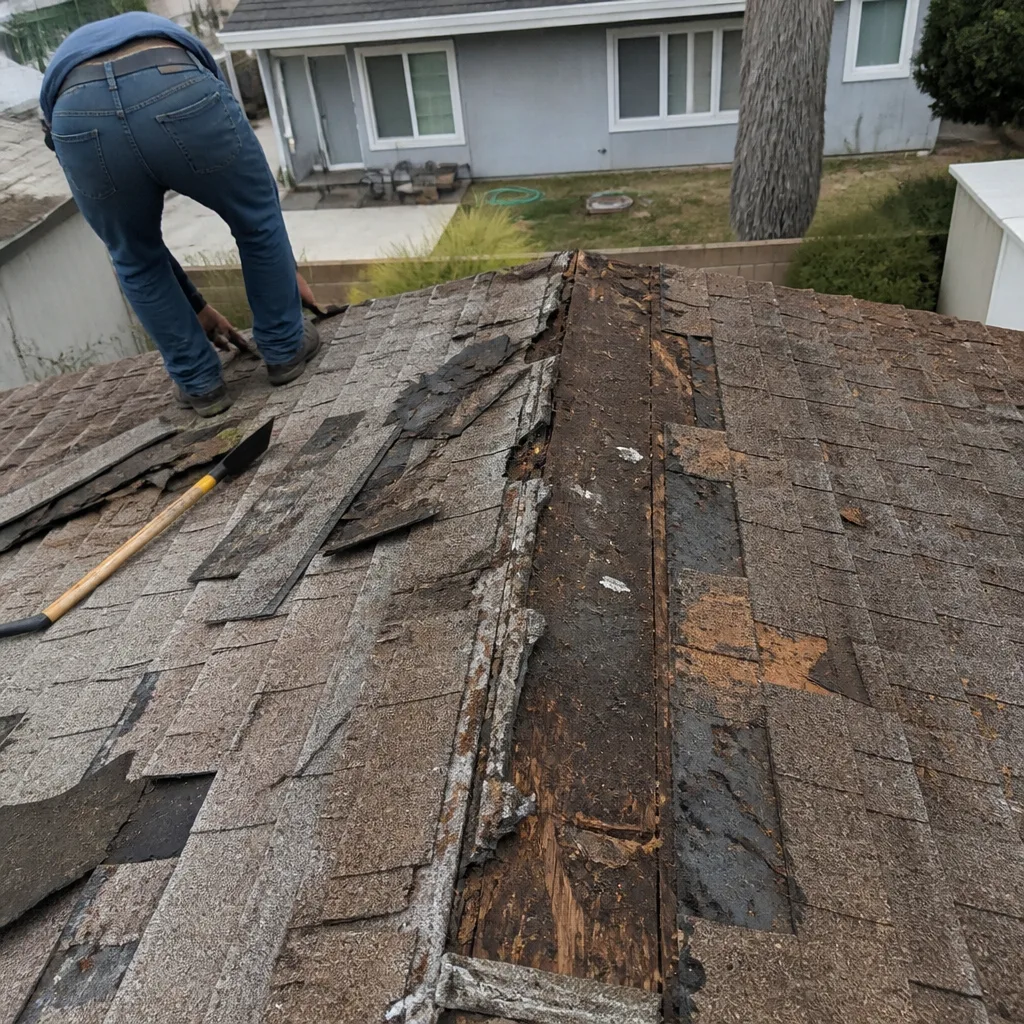 Before
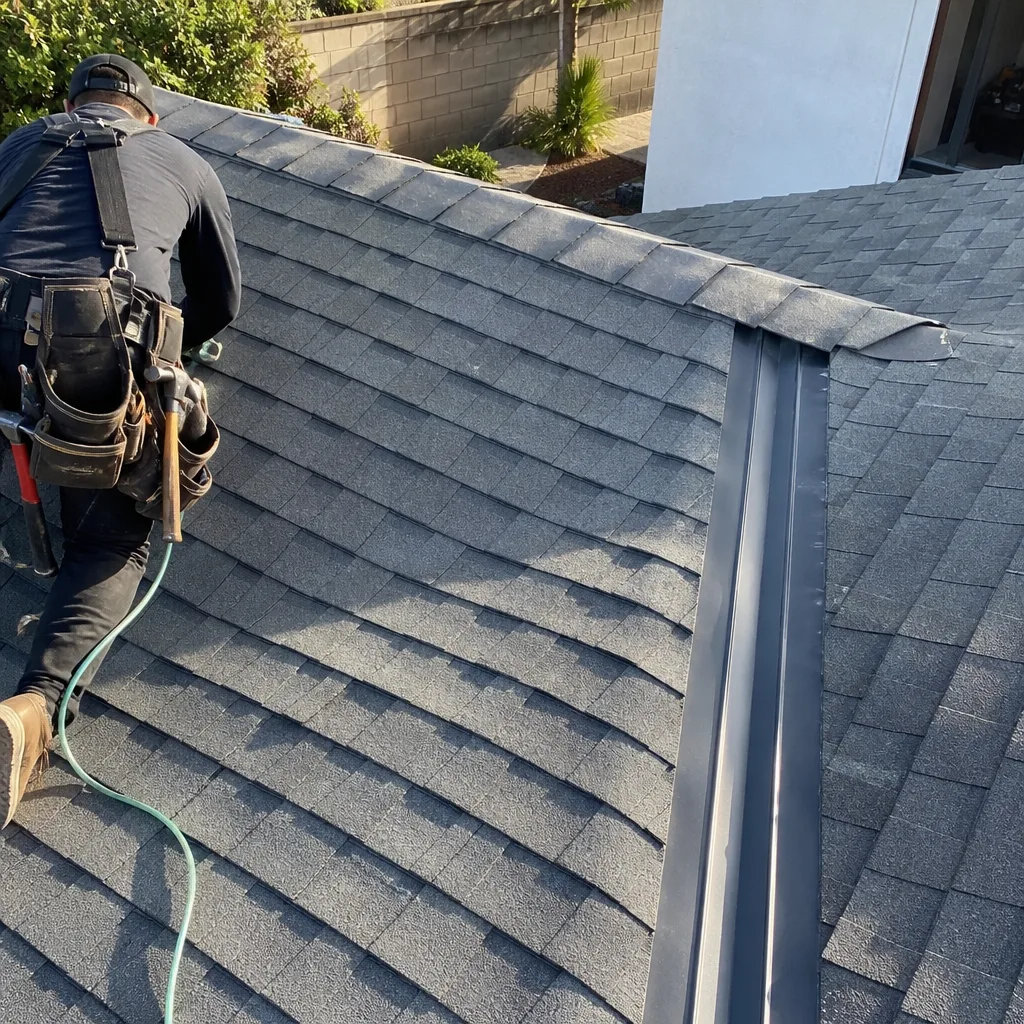 After
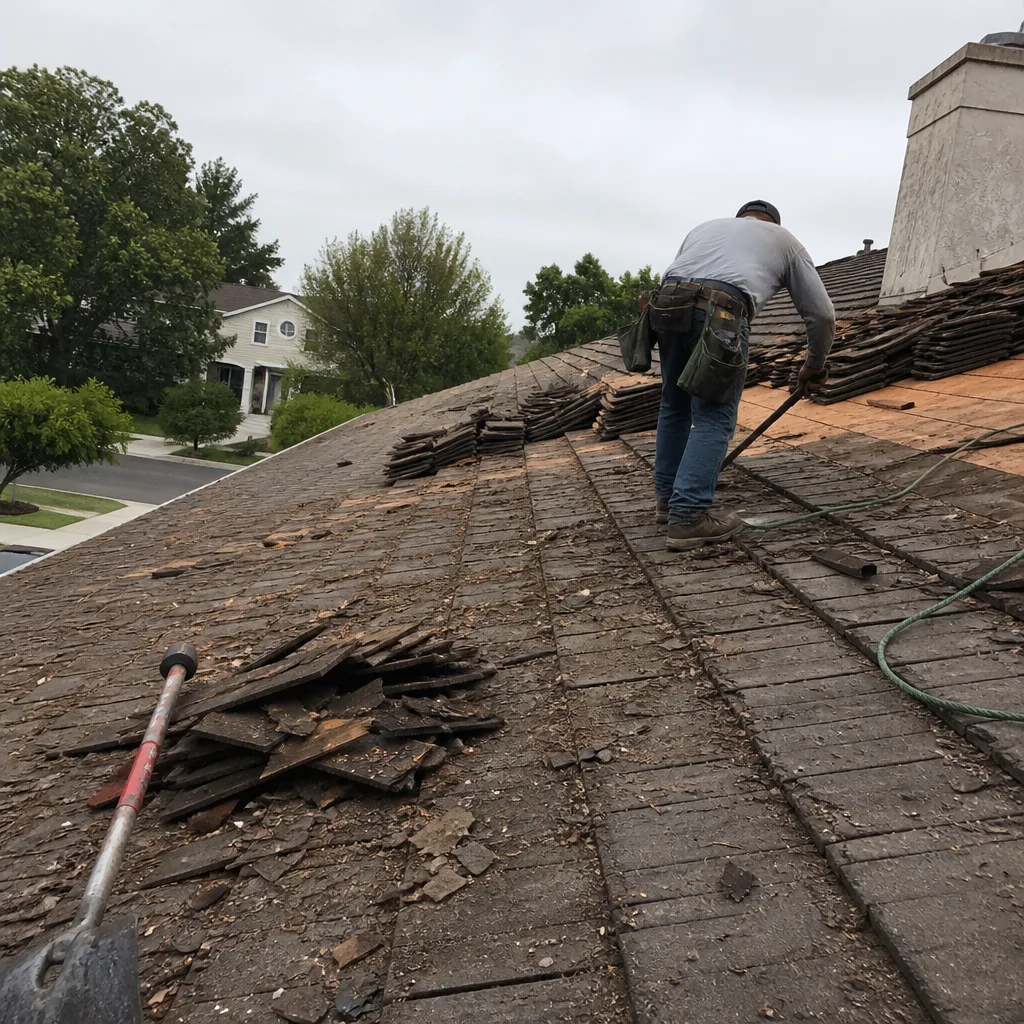 Before
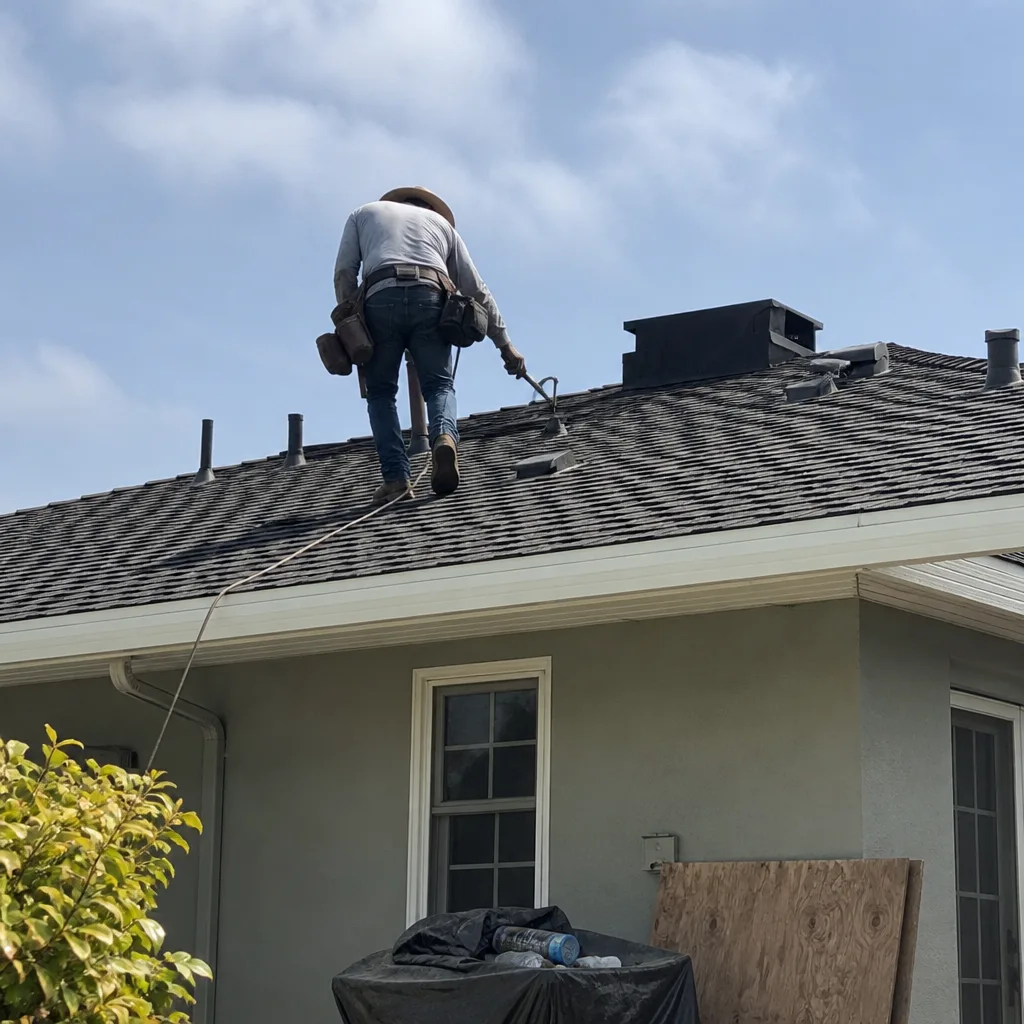 After
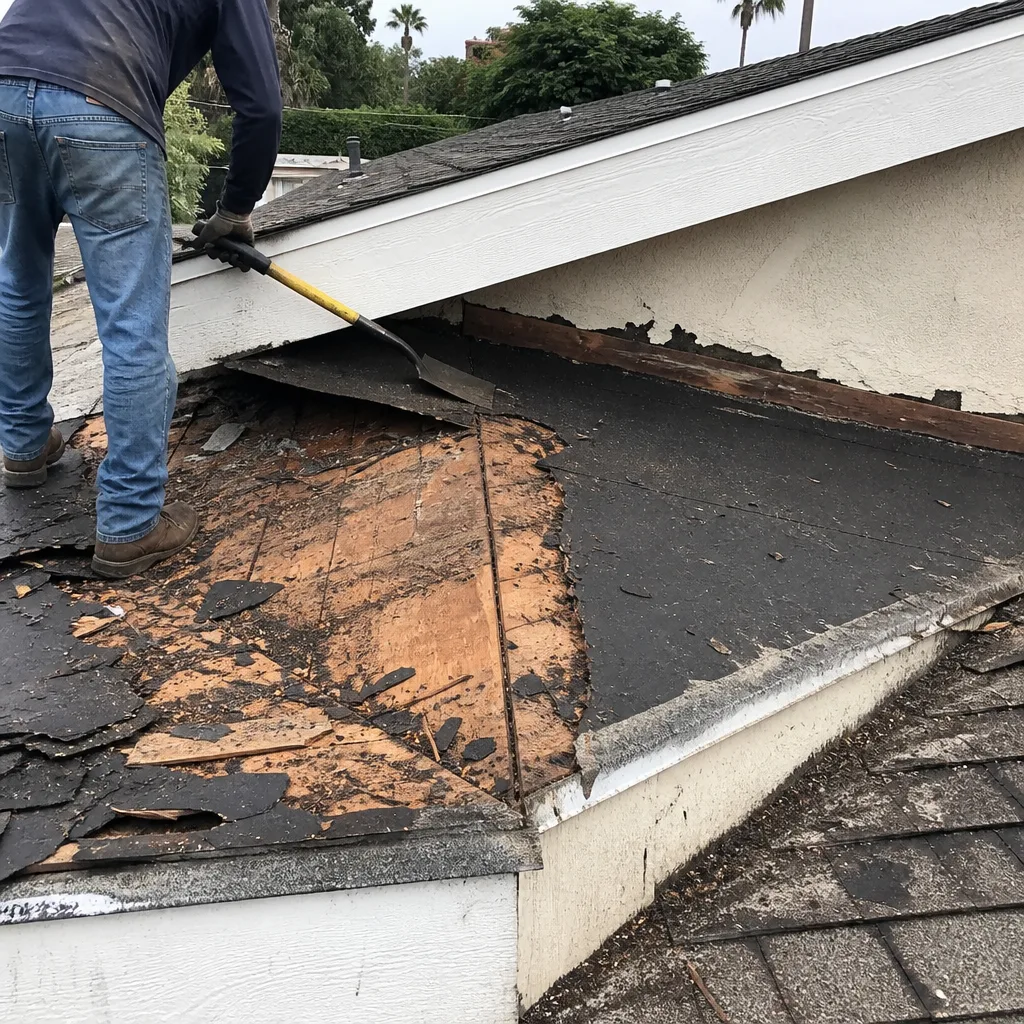 Before
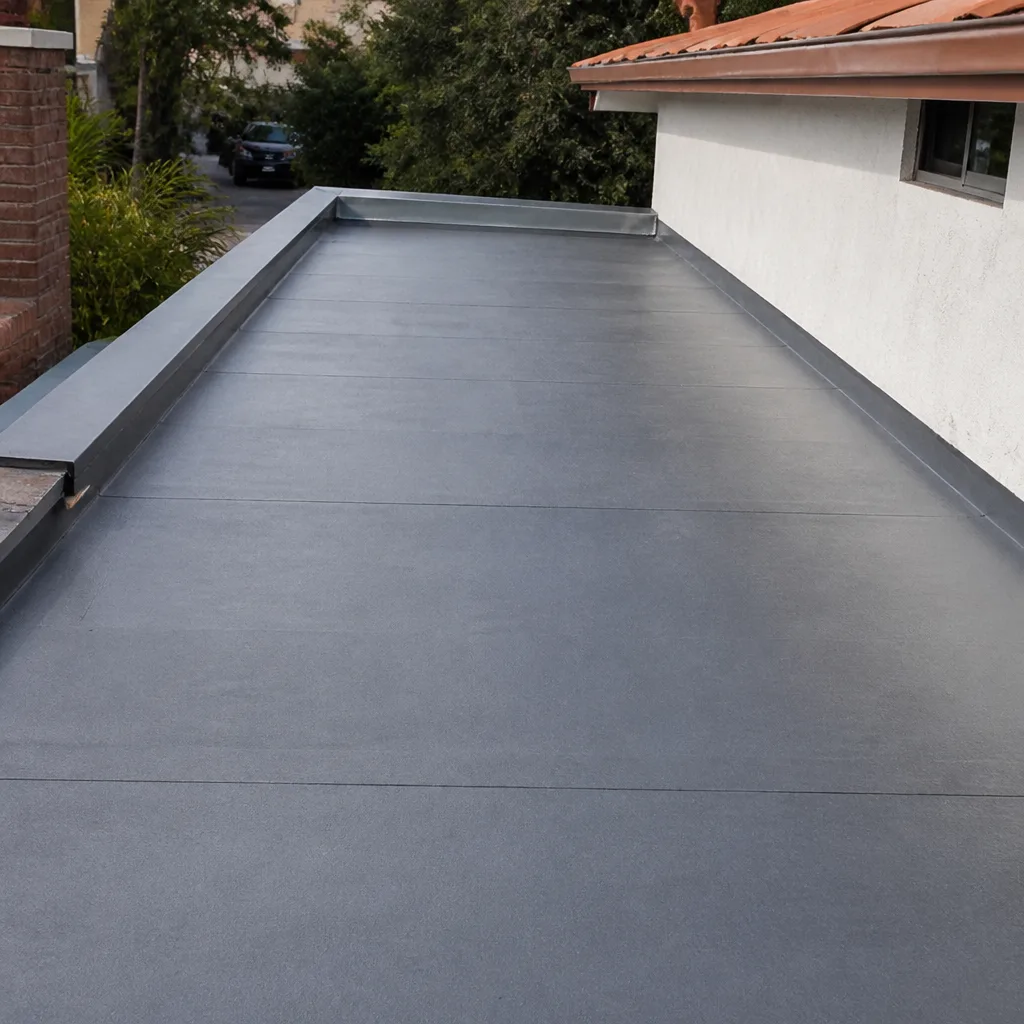 After
When to Call a Professional
If you have read this far, you are probably already at the point where a professional evaluation makes sense. Here are the specific scenarios that warrant a call to a roofing specialist rather than continued observation:
- Visible granule loss in gutters or downspouts. Asphalt shingles shed granules as they age. A steady accumulation in your gutters means the shingles are nearing the end of their useful life.
- Curling or lifting shingle edges after a Santa Ana wind event. Tustin sits close enough to the Santa Ana wind corridors that gust events can lift shingle edges and break the seal. Once the seal is broken, the shingle is vulnerable to the next rain.
- Water stains on ceilings or walls after Southern California rain periods. Tustin’s rain is intermittent, but when it comes, it is intense. A stain is evidence that water has already breached the roof system.
- Daylight visible in the attic through the roof deck. If light passes through, water will too, during the next rain event. This is a sign of flashing failure or degraded decking, not a minor cosmetic issue.
Bellwether Roof Repair offers free estimates in Tustin – call (833) 824-0047. We’ll inspect first, tell you what the roof actually needs, and quote the repair or replacement only if the inspection supports it. Repair when repair is right, replace when replace is right.
Frequently Asked Questions
A full roof replacement in Tustin typically ranges from $12,000 to $28,000 depending on the home’s square footage, roof pitch, material choice, and whether decking replacement is required. The wide spread reflects the difference between a basic architectural shingle installation and a premium product set with upgraded underlayment and flashing. Call (833) 824-0047 for an exact quote – estimates are free and line-item detailed.
Yes. Any contractor performing roof work in Tustin must hold a valid California State License Board license with a C-39 Roofing classification. A general building contractor license (B) does not qualify for roofing work unless the contractor also holds the C-39 specialty classification. Verify the classification on the CSLB website before hiring.
Most residential roof replacements in Tustin take 1 to 3 days for the tear-off and installation, with an additional 2 to 3 weeks for the city permit and inspection cycle to close. Larger homes, steep roofs, or extensive decking replacement can extend the timeline. The Tustin building department schedules the final inspection, and the permit closes after sign-off.
The answer depends on the roof’s age, the extent of damage, and whether underlying components like underlayment and flashing have failed. A roof under 10 years old with isolated damage is usually a repair candidate. A roof over 15 years old with granule loss, curling shingles, and repeated leaks should be evaluated for replacement. We inspect before we recommend – call (833) 824-0047 for an objective condition assessment.
Yes, most Tustin homeowners remain in their homes during a roof replacement, though the noise and vibration are significant during tear-off and nailing. Pets, in particular, may need a quiet room away from the work. If you work from home and need quiet, plan for the replacement days to be disruptive.
A Tustin roofing contractor should provide two warranties: a manufacturer warranty on the shingles themselves (which varies by product and is typically 25 to 50 years or lifetime) and a workmanship warranty from the contractor covering installation defects. Ask for both in writing, with the specific coverage terms and duration. The manufacturer warranty survives the contractor; the workmanship warranty does not, which is why the contractor’s stability matters.
The Bottom Line
Hiring a roofing contractor in Tustin is a filtering exercise, not a search. The market contains competent specialists, but it also contains storm chasers banking on seasonal volume and general contractors subcontracting work they have no business managing. The filter is simple in principle: verify the CSLB license, bond continuity, and workers’ comp; read the bid sheet for named materials that meet Tustin code; confirm manufacturer certification from the brand being installed; check the Tustin permit portal; and ask the seven questions before signing.
The roofing contractor you hire should be able to answer every one of these checks without hesitation. Our team at Bellwether Roof Repair has worked with Roof Repair in Yorba Linda and across Orange County, and the process we’ve outlined above is exactly the process we welcome from our own customers. Seven manufacturers, one standard. If you’re in Tustin and ready for an honest conversation about your roof, call (833) 824-0047 for a free estimate. See also our Roof Replacement in Yorba Linda and Roof Inspection in Yorba Linda pages for service-specific details. Start with our Bellwether Roof Repair home page for an overview of the full-lifecycle approach.
Written by the team at Bellwether Roof Repair, serving Tustin since 2018.