

Last updated October 31, 2026
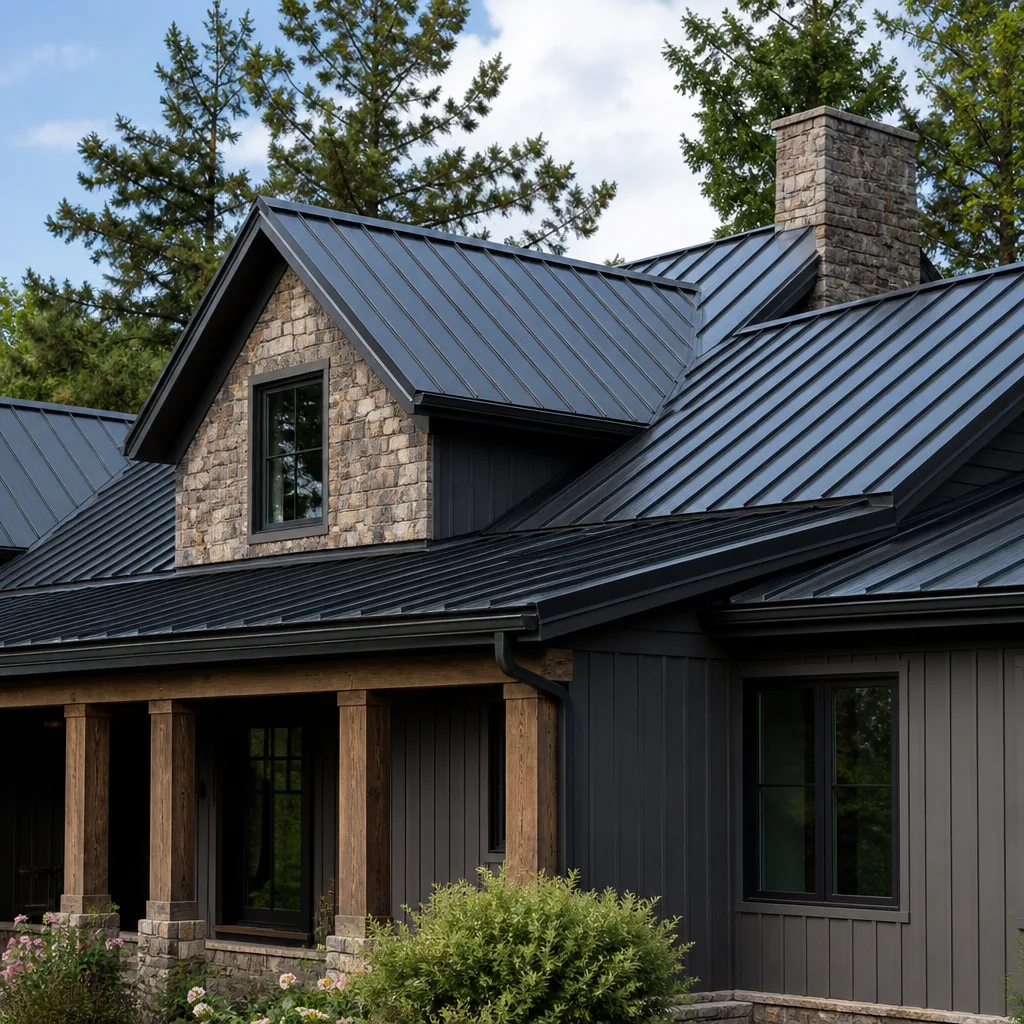 Metal roofing
 Architectural shingles
 Tile roofing
 GAF
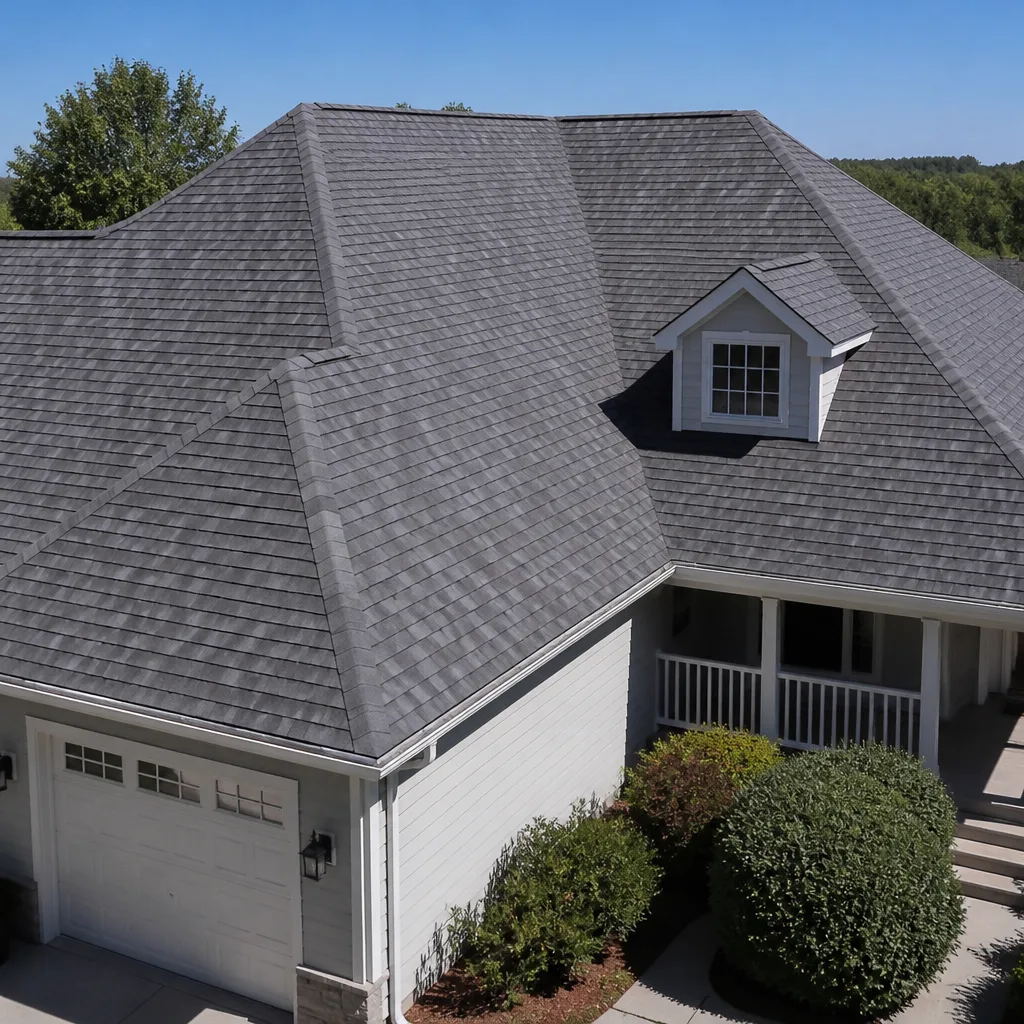 Owens Corning
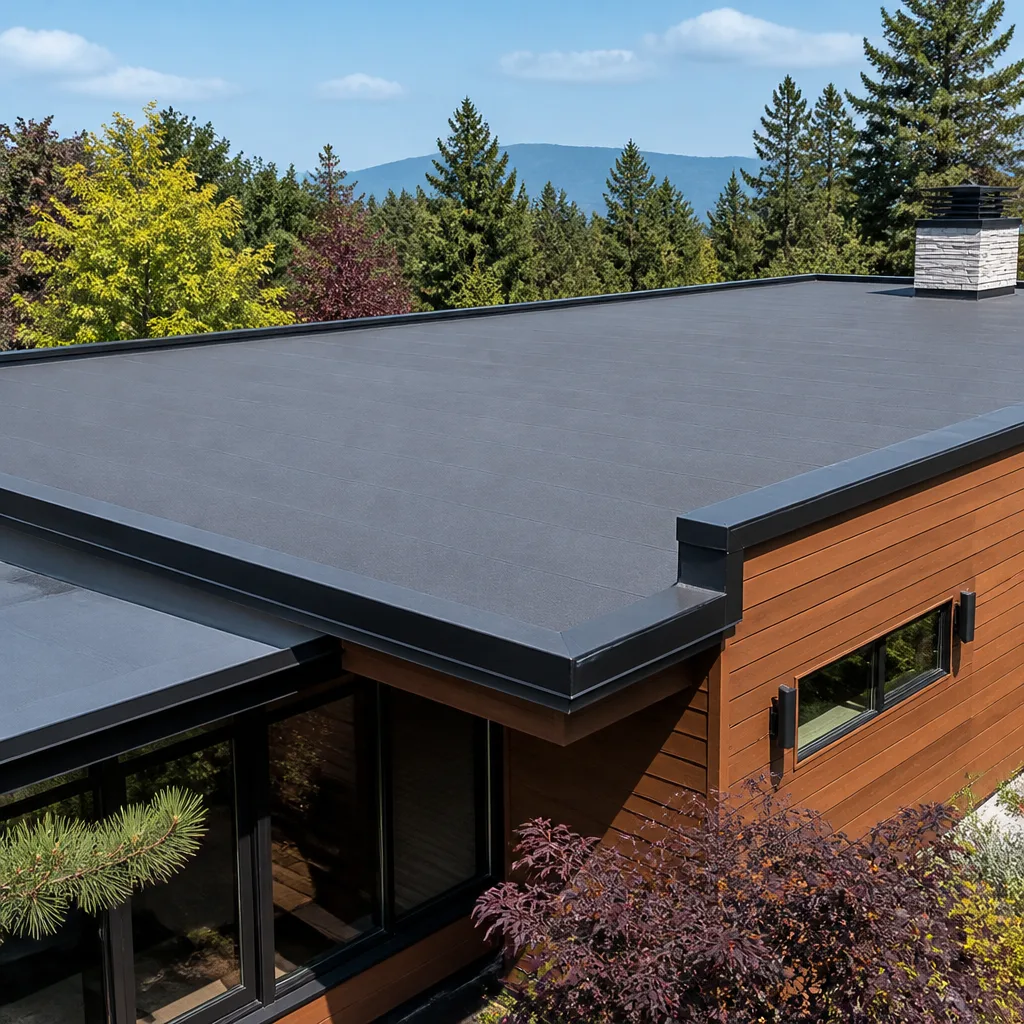 Flat & low-slope
Free roof inspection with deck photos before we talk money - GAF and Owens Corning certified installation
Roofing Emergency Preparedness Guide for Tustin Homes
Emergency roofing calls in inland Orange County spike 400 – 600% during the first significant storm of the season, and Tustin is no exception. What most homeowners don’t realize is that the contractors who answer those calls at 2am are rarely the same contractors doing the work the next morning. The markup reflects the leverage, not the labor. This guide walks you through a pre-storm decision tree so you’re never making your first call at 11pm during a rain event, when every choice is rushed and every quote is inflated. For more guides & resources, see our blog.
Styles & brands we work with
Quick Answer
A roofing emergency in Tustin becomes manageable when you separate water containment from roof repair: contain water inside immediately, document everything for insurance, and make a tarping-versus-emergency-service decision based on three specific criteria: leak volume, forecast, and roof accessibility. Pre-storm preparation eliminates roughly 80% of the emergencies we see in Tustin each winter.
Table of Contents
- The First 60 Minutes of an Active Roof Leak
- Same-Night Emergency Service vs. Morning Tarping: The Decision Criteria
- Vetting an Emergency Roofing Contractor at 11pm
- The Insurance Claim Sequence Tustin Homeowners Get Wrong
- The Pre-Storm Preparedness Checklist for Tustin Homes
- Tustin’s Specific Risk Windows: Late Fall and January Storms
- What Materials Actually Matter in an Emergency Repair
- Common Mistakes to Avoid
- When to Call a Professional
- Frequently Asked Questions
- The Bottom Line
The First 60 Minutes of an Active Roof Leak
When water starts coming through your ceiling in Tustin, the first hour determines whether you’re dealing with a $400 patch job or a $14,000 ceiling replacement. Here’s the sequence, in order, no exceptions.
Step 1: Contain the Water Inside (Minutes 1 – 15)
Move furniture, electronics, and anything absorbent out of the drip zone. Place a bucket or trash can under the active drip. If water is pooling in the ceiling and causing a bulge, that bulge is a water balloon made of drywall. Puncture it with a screwdriver or awl at the lowest point of the bulge. Yes, this makes a mess. No, it doesn’t make the damage worse. It releases the water in a controlled location instead of letting the entire ceiling panel collapse when you’re asleep or at work.
Place a second container under the puncture point. The goal is preventing the water from spreading laterally through the ceiling cavity, which is what turns a localized leak into a full drywall replacement.
Step 2: Document Everything (Minutes 15 – 30)
Pull out your phone and photograph or video everything: the active drip, the ceiling bulge before puncturing, the punctured bulge, the water in the bucket, the furniture you moved, the floor damage. Your insurance adjuster needs to see the active leak and the containment, not just the aftermath. Photos with timestamps are worth more than any verbal description.
Move to the attic if it’s accessible and safe. Photograph the underside of the roof deck where the water is entering. You’re looking for a wet spot, a stain, or a visible gap where daylight passes through. This photo tells the contractor exactly where to start, and it tells the insurer the leak is real and active.
Step 3: What NOT to Do (Minutes 30 – 60)
Do not access the roof in rain or wind. A wet asphalt shingle roof has roughly the same traction as ice. The emergency room visit costs more than the roof repair, and no roof is worth a broken hip or worse. We tell every Tustin homeowner this: the roof will still be there in the morning. Your ability to walk might not be.
Do not call a roofer before you’ve contained the water and documented the damage. The contractor on the phone will ask you questions you can’t answer yet. Have the photos. Have the attic inspection done. Then make the call.
Do not apply a bucket patch from inside the attic. Duct tape, spray foam, and Flex Seal applied to a wet, dirty roof deck from the underside do not stop active leaks. They trap moisture against the wood, accelerate rot, and make the eventual repair more expensive.
Same-Night Emergency Service vs. Morning Tarping: The Decision Criteria
Here’s what the emergency call centers in Orange County won’t tell you: most “emergencies” can wait until daylight. The decision comes down to three specific factors.
Criterion 1: Leak Volume
If the leak is a steady stream or multiple drips in multiple rooms, you need same-night service. A gallon bucket filling in under two hours is active water intrusion that will not stop on its own. If you’re seeing a slow drip, one every few seconds, morning tarping is almost always sufficient. The roof has been leaking slowly for longer than you realize; another eight hours won’t meaningfully change the repair scope.
Criterion 2: Forecast
Open your weather app. If the storm has passed Tustin and clear skies are coming, morning tarping makes sense. If another atmospheric river is three hours behind the first one, same-night service matters. Water intrusion compounding over two consecutive storm systems causes exponentially more damage than a single soak. Southern California roofs are built for drought cycles, not sustained saturation.
Criterion 3: Roof Accessibility and Safety
If you have a two-story Tustin home with a steep pitch, a Clay tile roof, or no safe access point, no legitimate contractor is going on that roof at 2am in the rain. Same-night service for these homes means interior containment only. Any contractor promising to climb a wet tile roof in the dark is either lying about what they’ll do or unsafe enough that you don’t want them on your property.
Here’s the decision matrix we use when Tustin homeowners call us mid-storm:
- Steady stream or multiple active drips + more rain coming: Same-night emergency service
- Steady stream + storm has passed: Interior containment overnight, tarp at dawn
- Slow drip + any forecast: Interior containment, tarp within 24 hours
- Water pooling in ceiling bulge + any leak rate: Puncture the bulge, contain, then evaluate using the first two criteria
Vetting an Emergency Roofing Contractor at 11pm
The contractor who answers the phone at 11pm during a Tustin storm is not necessarily a scam artist. But the storm-chaser who advertises 24/7 emergency service on Google Ads during atmospheric river events is. The difference is verifiable in five minutes.
Step 1: The CSLB License Lookup (2 Minutes)
Every legitimate roofing contractor in California holds a C-39 roofing license from the Contractors State License Board. Go to the CSLB website on your phone, click “License Check,” and enter the license number the contractor gives you. Verify three things: the license is active, the classification is C-39, and the business name on the license matches the name on the phone. If the contractor hesitates, gives you a partial number, or says the license is “in the truck,” end the call.
Step 2: Ask Three Specific Questions (2 Minutes)
“What’s your physical business address in Orange County?” A real roofing company has a real address. A storm chaser has a P.O. box in another state or no address at all.
“Will you send a written scope of work before starting?” If the answer is anything other than “yes, I’ll text it to you right now,” that’s a red flag. A legitimate emergency tarping scope is simple: the area to be tarped, the materials, the labor, the price, and the schedule for permanent repair.
“Who pulls the permit if the permanent repair requires one?” In Tustin, reroofing projects require permits from the City of Tustin Building Division. Emergency tarping does not, but the permanent repair often does. For details, see Roofing Permits, Codes & Inspections in CA: What You Need to Know. A contractor who brushes off the permit question is planning to do unpermitted work.
Step 3: Get Verbal Commitments in Writing (1 Minute)
Before any work begins, confirm by text or email: the exact price for the emergency service, whether that price includes materials, and what happens if the tarp needs to stay on for more than 30 days. Roof tarps in Southern California sun degrade. A 6-mil tarp on a Tustin roof in August lasts about 45 days before it starts tearing. You need a written commitment for what the contractor will do if the permanent repair is delayed.
At Bellwether Roof Repair home, we answer emergency calls during storm events and give Tustin homeowners a written scope before we touch the roof. That’s the standard.
The Insurance Claim Sequence Tustin Homeowners Get Wrong
Here’s the mistake we see repeated every winter in Tustin: the homeowner calls a contractor first, the contractor starts work, and then the insurance claim becomes contested because the adjuster never saw the active leak. The sequence matters more than most people realize.
The Correct Sequence
- Document the active leak and interior damage with timestamped photos and video. Include the attic if accessible.
- Contain the water using the steps above. Do not move or discard damaged materials yet; the adjuster needs to see them.
- Call your insurance company and file a First Notice of Loss. This is the formal claim opening. Do it before any contractor touches the roof. Tell the representative you have photos, you have contained the water, and you need authorization for emergency mitigation to prevent further damage.
- Get approval for emergency tarping in writing (email or claim note). Most homeowner policies cover emergency mitigation, including tarping, as a separate coverage from the roof repair itself.
- Hire a licensed roofing contractor for the tarping and, later, the permanent repair. If the insurer pushes back on the permanent repair, your documentation from steps 1 and 3 is your leverage.
Why Insurer-First Is Stronger
Insurance adjusters in California see hundreds of storm claims per winter. A claim opened before mitigation work begins shows a homeowner acting in good faith to prevent further damage, not a homeowner who let a small leak become a $40,000 interior rebuild. The policy language in most homeowners insurance requires you to mitigate damages as soon as reasonably possible. Calling the insurer first creates a paper trail that proves you did exactly that.
If your Tustin roof has existing damage from a previous event that was never repaired, be honest with the adjuster. Undisclosed pre-existing damage discovered mid-claim can void coverage. Most policies don’t cover neglect, but they do cover storm damage on top of pre-existing conditions if the new damage is documentable and distinct. The difference is often in how the claim is presented, which is why many Tustin homeowners ask us to be on site during the adjuster visit.
The Pre-Storm Preparedness Checklist for Tustin Homes
The best roofing emergency is the one that never happens. Tustin’s storm pattern is predictable: long dry stretches punctuated by sudden atmospheric river events between October and March. Here’s the checklist we recommend every Tustin homeowner complete before the first storm of the season, drawn from our full Seasonal Roofing Care for Tustin: Year-Round Homeowner’s Guide.
- Inspect the roof surface from the ground. You’re looking for missing shingles, cracked or slipped tiles on clay or concrete roofs, exposed underlayment, and debris accumulation. Walk the perimeter of your home and use binoculars if needed.
- Clean the gutters and downspouts. Clogged gutters in Tustin’s oak-lined neighborhoods like Old Town and Tustin Meadows are the single most common cause of preventable roof leaks. Water backs up under the shingles at the eaves and finds its way inside.
- Check flashings. Look at roof penetrations: chimneys, vents, skylights, plumbing stacks. The flashing around these penetrations is where 70% of residential roof leaks originate. If you see lifted flashing, cracked sealant, or rust, call a roofing contractor for a Roof Inspection in Yorba Linda-style service before the rain arrives.
- Trim overhanging branches. Eucalyptus and oak branches overhanging Tustin roofs scratch granule surfaces and fall during wind events, puncturing shingles and tiles.
- Check the attic. On a dry afternoon, go into your attic with a flashlight. Look for daylight at the roof deck, water stains on the underside of the decking, and condensation around vents. These are the early warning signs of an impending leak.
- Document your roof’s current condition. Take date-stamped photos of your roof from all sides and your attic interior. If storm damage occurs later, these baseline photos help you prove the damage is new.
- Know your roof’s age and material. Asphalt shingle roofs in Tustin’s climate last 20 – 25 years. Clay and concrete tile can last 50+ with proper underlayment maintenance. If your roof is past age 18 and you haven’t had a professional inspection, you’re in the highest-risk category for storm-related emergencies.
If you want a professional assessment before storm season, Roof Repair in Yorba Linda is a service we offer across Orange County; for Tustin specifically, a pre-season inspection catches the exact deficiencies that turn into 2am emergencies.
Tustin’s Specific Risk Windows: Late Fall and January Storms
Tustin sits in inland Orange County, shielded from direct coastal marine layer influence but fully exposed to the atmospheric river systems that track down from the Gulf of Alaska. The risk pattern is not uniform across the year. It concentrates in two windows.
Window 1: Late October through Mid-December
The first significant storm of the season usually arrives in late October or November, after six to eight months of near-zero rainfall. This is the highest-risk window in Tustin for one simple reason: roof deficiencies accumulate silently during the dry season. Learn to spot trouble early with our Roofing Warning Signs: A Tustin Homeowner’s Reference Guide. The first heavy rain finds every compromised flashing, every cracked sealant line, and every granule-bare shingle simultaneously. That’s why emergency calls spike 400 – 600% during this first event.
Window 2: January through Early February
By January, the ground in Tustin is saturated, and the roofs that survived the first storm are facing their second and third rounds. The damage pattern shifts from flashings and sealant to structural saturation: underlayment that never dried out, decking that’s been wet for six weeks, and shingles that lost adhesion during the first storm and are now lifting in the wind. January leaks in Tustin tend to be slower-developing but more expensive to fix because the water has had time to spread through the roof assembly.
Why These Windows Matter for Preparedness
You don’t need to be on high alert all winter. You need to be prepared before the first storm, and you need to be observant between the first and second storms. A roof that survived storm one with a small drip is a roof that’s actively deteriorating as the season progresses. That’s the moment to schedule a repair, not the moment to hope for the best.
What Materials Actually Matter in an Emergency Repair
When a Tustin homeowner calls us mid-storm, the emergency repair is always temporary: tarp now, permanent fix later. The materials used for the emergency tarping matter less than most homeowners think. The materials used for the permanent repair matter more.
Emergency Tarping Materials
For the temporary fix, you want a reinforced polyethylene tarp, not a standard blue hardware-store tarp. Look for 10-mil thickness or heavier. The tarp needs furring strips anchored into the roof deck to hold it in place; a tarp draped over a roof and weighted with sandbags will not survive a 25 mph wind gust. In Tustin’s Santa Ana wind events, an improperly secured tarp becomes a sail that tears itself off the roof and damages your neighbors’ property.
Permanent Repair Materials
When the permanent repair happens, the material decision should be driven by what’s already on your roof and what the home needs, not by what any single contractor wants to sell. We position material choices this way because our access across multiple manufacturers means we can match the existing roof or upgrade to a better material without being constrained to one brand’s product line. For Tustin homes with asphalt shingles, options from CertainTeed and Owens Corning cover the range from value-tier to premium architectural shingles with Class 4 impact ratings. For homes with tile or specialty roofing, IKO and Atlas offer product lines that match specific performance requirements in Tustin’s climate.
The material choice for your permanent repair should be made deliberately, with a full understanding of the tradeoffs. That’s a conversation worth having with a contractor who can actually show you the options rather than steering you to whatever’s in the warehouse.
Common Mistakes to Avoid
- Calling the first contractor who answers at 2am. The storm-chaser markup in Tustin during atmospheric river events runs 30 – 50% above normal market rates. A five-minute CSLB license check separates the legitimate emergency responders from the opportunists.
- Skipping interior documentation. If you don’t photograph the active leak and the water damage, your insurance claim becomes a “he said, she said” argument with an adjuster who never saw water.
- Patching over wet materials. Applying sealant, cement, or roofing tape over a wet surface traps moisture and accelerates rot. The surface must be dry before any permanent repair adheres.
- Ignoring the attic. Tustin homeowners who never go into their attic discover leaks only when the ceiling caves in. The attic is your early warning system.
- Assuming gutter cleaning is optional. In Tustin neighborhoods with mature landscaping, clogged gutters cause more emergency calls than actual roof failures. A $200 gutter cleaning prevents a $2,000 ceiling repair.
- Delaying the permanent repair after tarping. Tarps are temporary. Every week a tarp stays on a Tustin roof, the UV exposure degrades it. A tarp that fails in the next storm means the original damage repeats, and insurance may not cover the second round.
- Accepting a verbal quote. If a contractor won’t put the scope and price in writing before starting, you don’t have a quote. You have a handshake and a surprise invoice coming.
When to Call a Professional
Some roofing situations in Tustin are genuinely dangerous, and no amount of guide-reading replaces a trained professional. Call a licensed roofing contractor immediately if you see active water intrusion in multiple rooms, if a tree limb has punctured the roof deck, if the roof is visibly sagging, or if you have a clay tile roof with broken tiles exposing the underlayment. Tile roofs in Tustin’s older neighborhoods require specific handling; walking on them without the right technique cracks tiles by the dozen.
Bellwether Roof Repair offers free estimates in Tustin. If you’re uncertain whether your situation is an emergency or a routine repair, call (833) 824-0047 and describe what you’re seeing. We inspect before we recommend, and we’ll tell you honestly whether you need service tonight or can safely wait until morning.
Frequently Asked Questions
Emergency roof tarping in Tustin typically costs $350 – $800 for a standard single-story home with safe access, depending on the tarp size and whether same-night service is required. The price includes materials, labor, and anchoring. If the quote you receive is significantly higher, ask for a line-item breakdown. Call (833) 824-0047 for an exact quote on your home.
Most California homeowners policies cover emergency mitigation like tarping as part of your claim, separate from the deductible and the permanent repair coverage. The key is filing the First Notice of Loss before the work begins and documenting the active leak. If you skip the documentation, the insurer may deny the emergency mitigation coverage.
Yes, gutter cleaning prevents a significant percentage of Tustin roof leaks. Clogged gutters force water to back up under the shingles at the eaves, causing rot and interior leaks. In Tustin neighborhoods with heavy tree coverage, gutter cleaning twice per year is the minimum.
A properly anchored 10-mil tarp lasts 45 – 60 days in Tustin’s sun before UV degradation causes tears. If your permanent repair is delayed beyond 60 days, the tarp should be inspected and replaced. Insurance claims that take months to resolve often require multiple tarp replacements.
Emergency tarping does not require a permit in Tustin. However, the permanent repair involving structural decking replacement or reroofing typically requires a permit from the City of Tustin Building Division. A legitimate contractor will handle the permit process and include it in the scope of work.
The difference comes down to the roof’s age, the extent of the damage, and the condition of the underlying decking. A repair addresses localized damage. A replacement is warranted when the roof is past two-thirds of its service life or when the damage spans multiple roof planes. At Bellwether, the right answer comes from inspection, not from a sales pitch. If you’re unsure, a Roof Replacement in Yorba Linda is not the place to start; start with an inspection.
The Bottom Line
Roofing emergencies in Tustin are seasonal, predictable, and largely preventable. The homeowners who fare best are the ones who prepare before the first atmospheric river arrives: clean gutters, inspect flashings, document baseline conditions, and know exactly who they’ll call when something goes wrong. The homeowners who fare worst are the ones who make their first call at 11pm to whoever answers the phone, accept whatever price is quoted, and skip the documentation their insurance company needs.
Preparedness costs a few hundred dollars and an afternoon. Unpreparedness costs tens of thousands and weeks of stress. The choice is yours, and it’s made before the storm, not during it.
Written by the team at Bellwether Roof Repair, serving Tustin since 2018.
See the difference
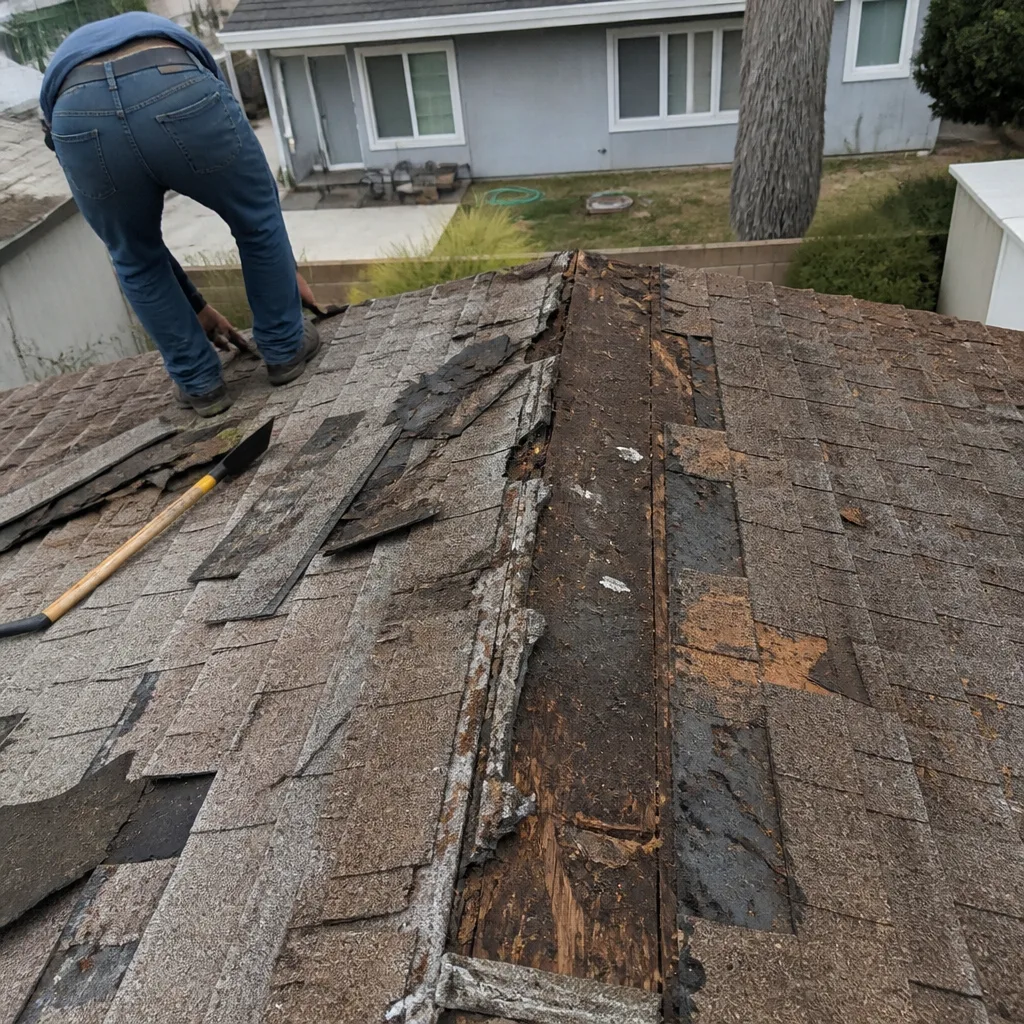 Before
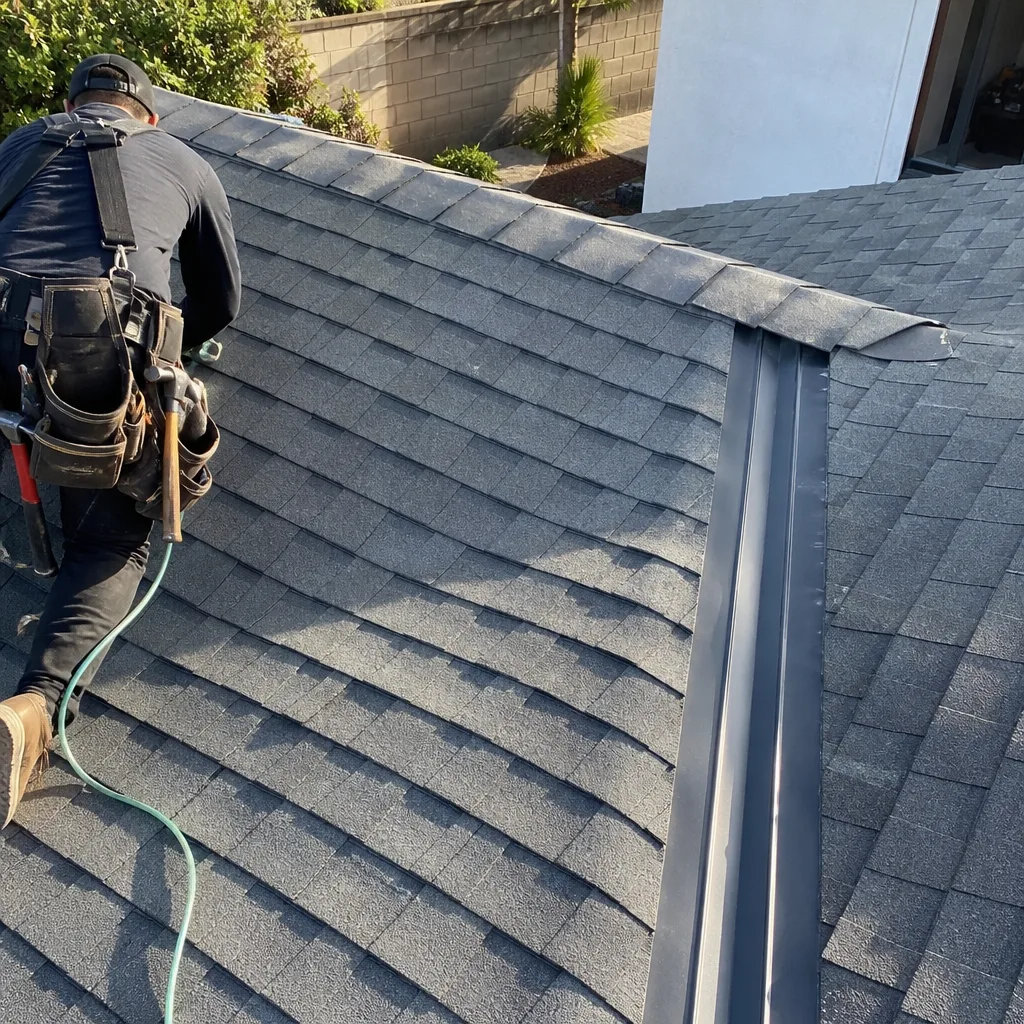 After
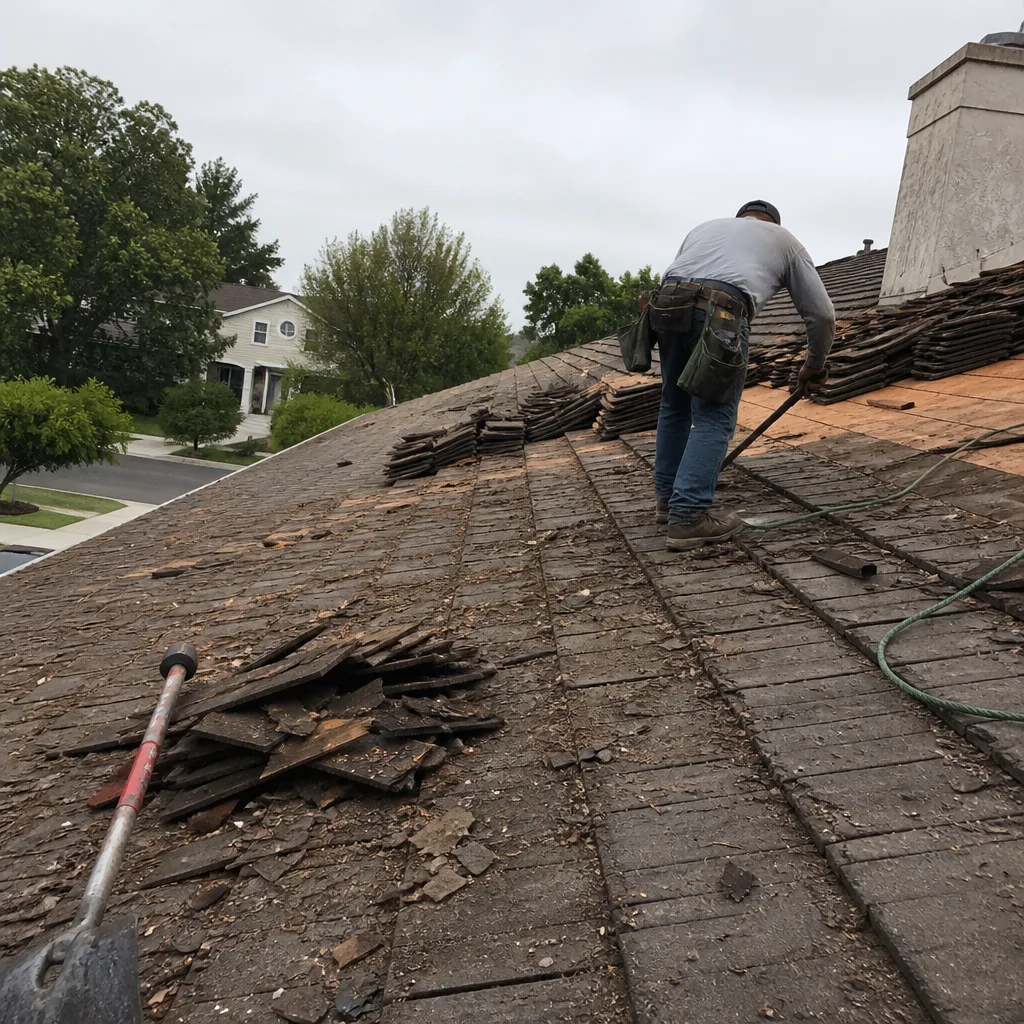 Before
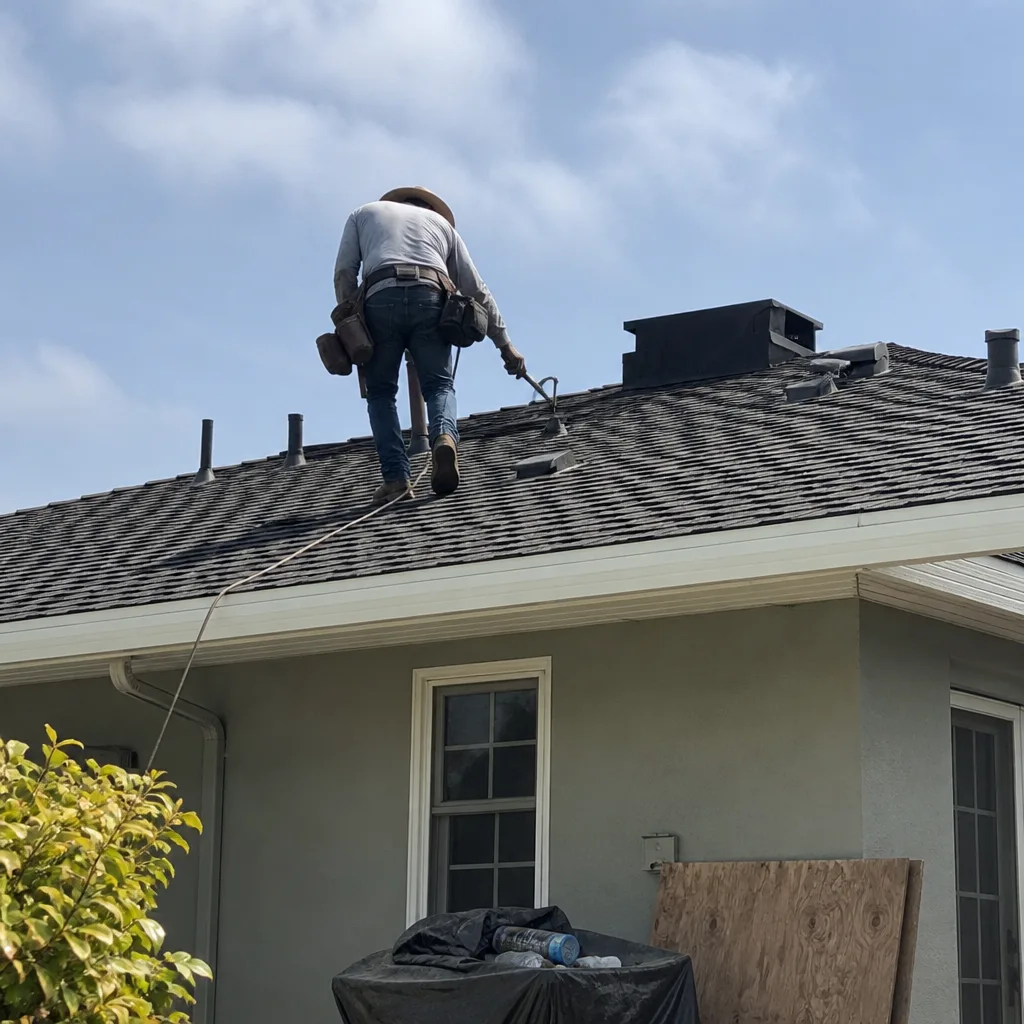 After
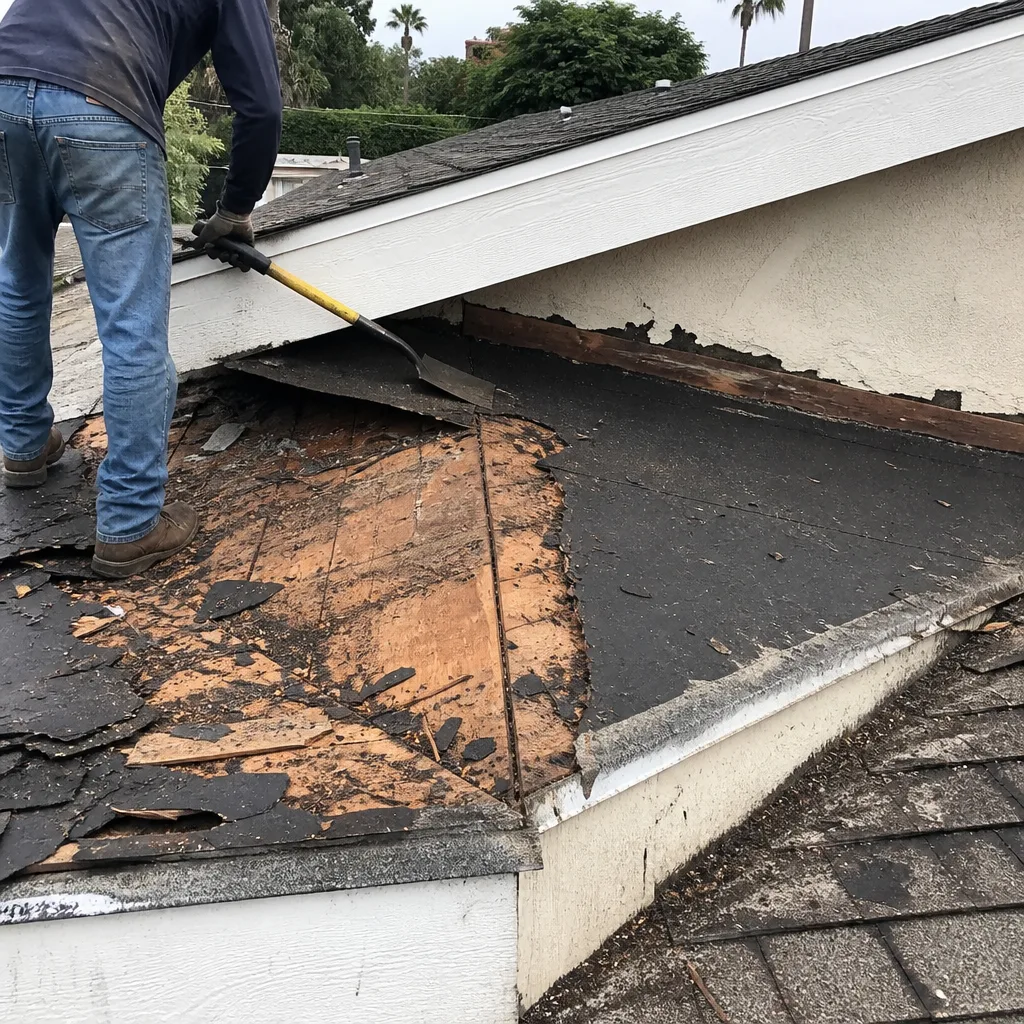 Before
 After